Gardening is more than a hobby. For many people, it is a meaningful way to stay active, enjoy fresh air, connect with nature and maintain a sense of independence. However, if you live with a disability, reduced mobility, arthritis, fatigue, poor grip strength or a long-term health condition, traditional garden layouts can sometimes create unnecessary barriers.
The good news is that an accessible garden does not need to be complicated. With the right design choices, adapted tools and supportive daily living aids, gardening can become safer, more comfortable and more enjoyable. Whether you have a large outdoor space, a small patio, a balcony or a few raised planters, there are many ways to make gardening more accessible.
Why Accessible Gardening Matters
An accessible garden is designed around the person using it. Instead of expecting the gardener to bend, stretch, grip, kneel or move in ways that may be uncomfortable, the garden is adapted to make tasks easier.
Accessible gardening can help people continue doing something they enjoy while reducing physical strain. It can also support mental wellbeing, as spending time outdoors and caring for plants can provide routine, purpose and relaxation. For disabled people, older adults and those recovering from illness or injury, this can be especially valuable. Gardening can encourage gentle movement, improve confidence and create a greater sense of control over daily life.
Plan Clear and Safe Garden Access
One of the first steps is to think about how easily you can move around the garden. Paths should be firm, stable and wide enough for the person using them. If a wheelchair, walking frame or mobility aid is used, avoid narrow routes, loose gravel or uneven surfaces where possible.
Consider:
- Level pathways with slip-resistant surfaces
- Raised beds positioned at a comfortable working height
- Seating areas for regular rest breaks
- Good lighting for visibility
- Storage close to where tools are used
- Handrails where extra support is needed
- Containers and planters placed within easy reach
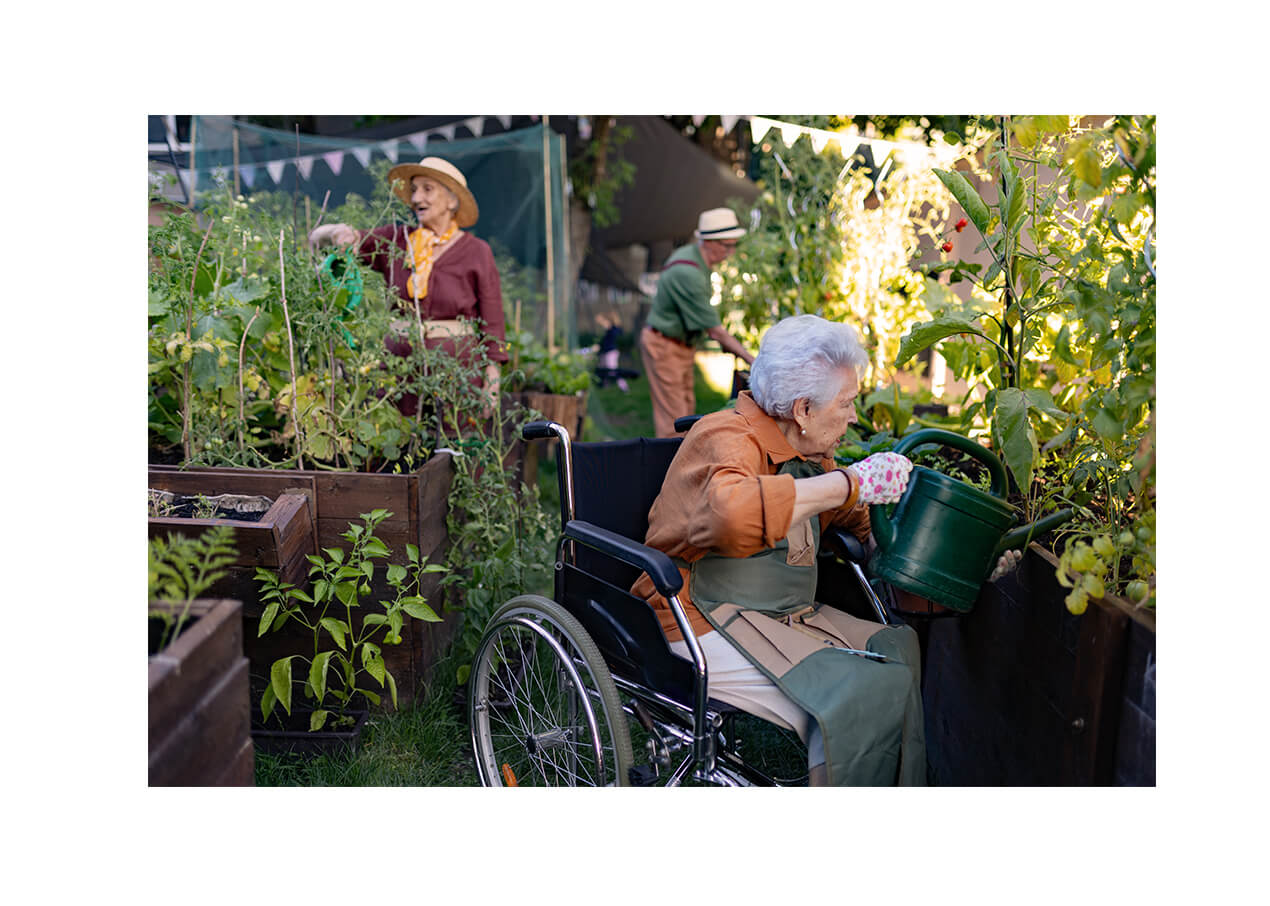
Raised beds and vertical planters are particularly useful because they reduce the need for bending or kneeling. Table-height planters can also make gardening easier from a seated position.
 Choose Lightweight and Easy-Grip Tools
Standard gardening tools are not always comfortable for people with limited grip strength, arthritis or reduced dexterity. Lightweight tools with larger handles can reduce strain on the hands and wrists. Long-handled tools can also make it easier to reach beds and borders without overstretching.
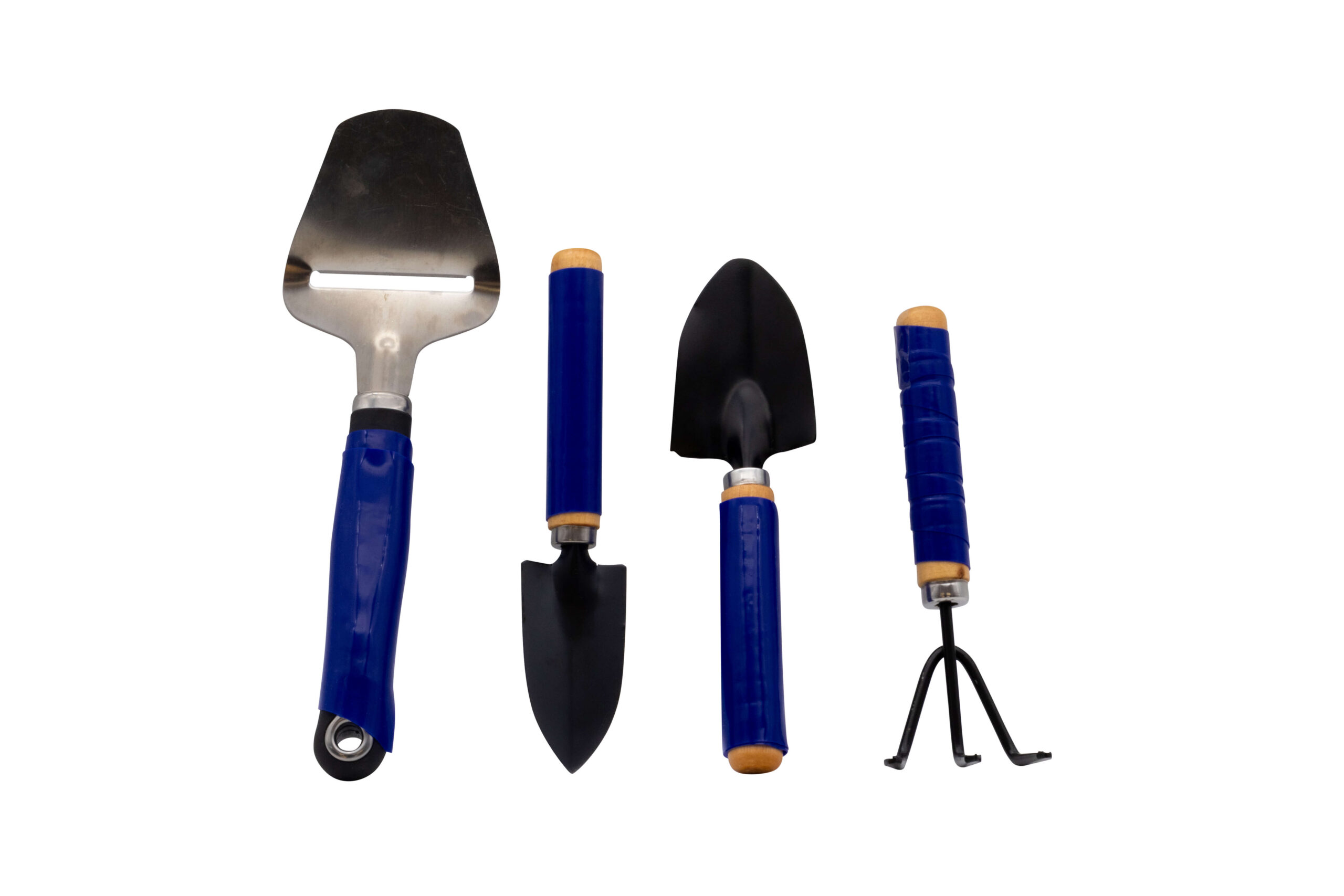
Grip can make a major difference. Tenura’s Grip Strips and Rolls can be wrapped around handles to improve purchase and make tools easier to hold. This can be useful for trowels, forks, watering cans, secateurs and other gardening equipment. A better grip can reduce the effort needed to control a tool, helping to make gardening tasks safer and less tiring.
Create Stable Surfaces for Potting and Plant Care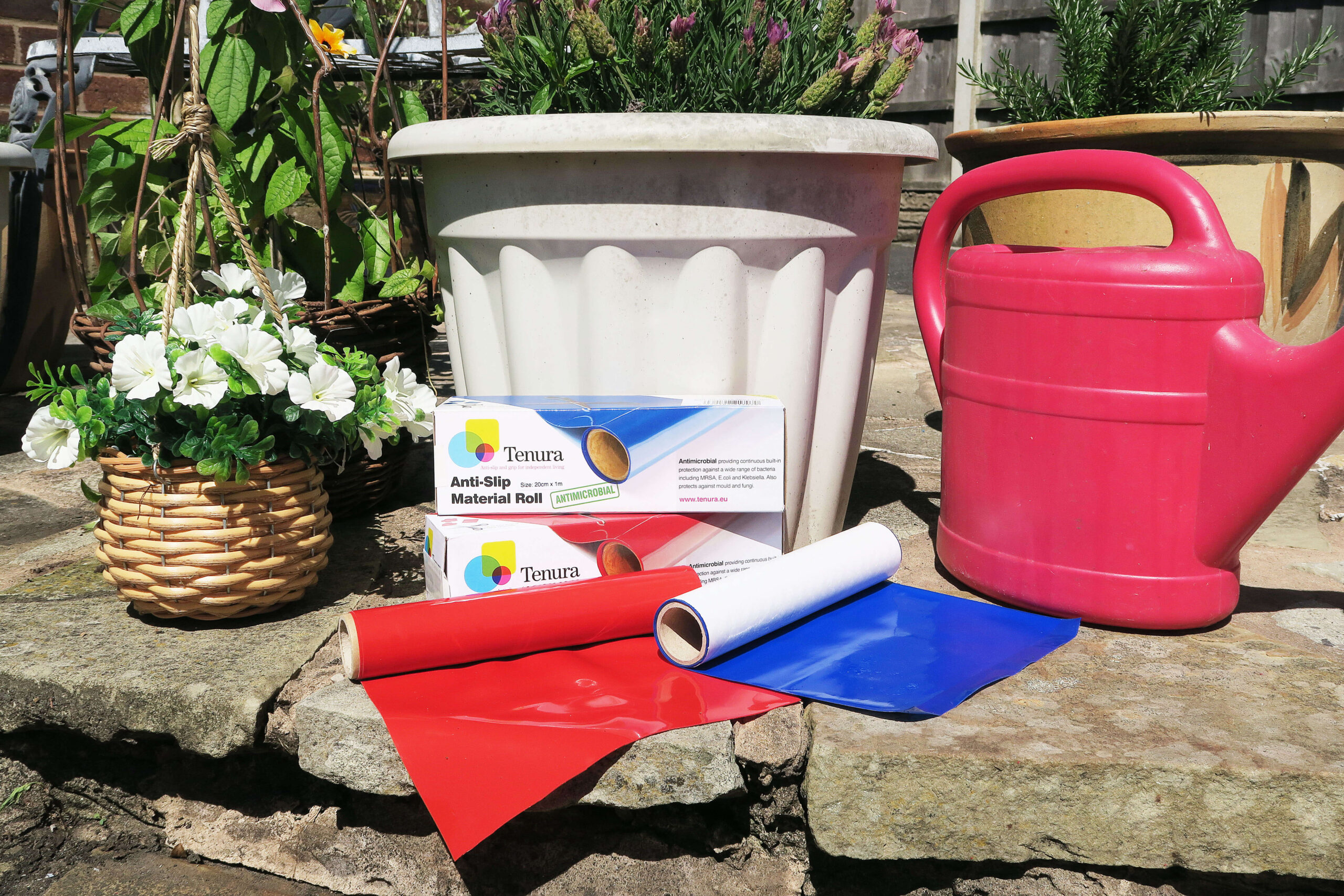
A stable work area is essential for accessible gardening. If pots, trays or tools move around while you are working, it can increase frustration and the risk of spills or accidents.
Tenura Anti-Slip Mats can help create a secure surface for potting plants, sorting seeds, filling containers or preparing labels. They can also be useful indoors when preparing food grown in the garden. For example, placing a chopping board on a non-slip mat can help keep it steady when cutting vegetables, which is particularly useful for people with one-sided weakness, tremors or reduced hand strength.
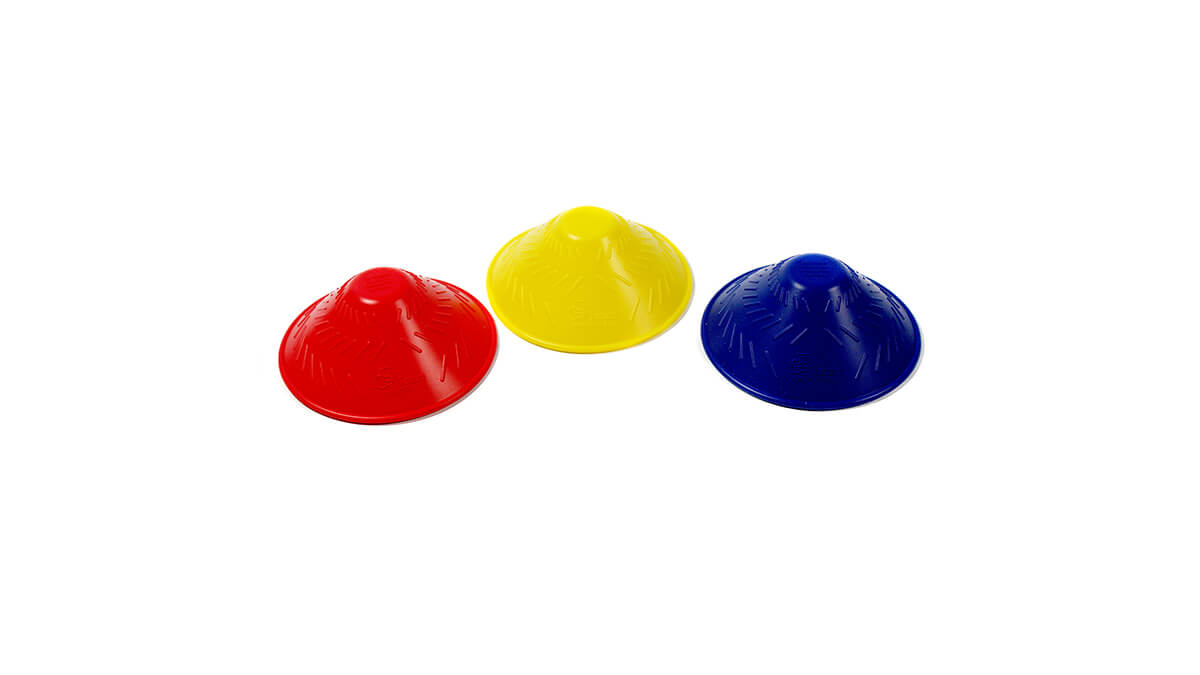
Tenura Extreme Grip Mats may also help where extra grip is needed on smooth surfaces. These can be useful around the home or garden workspace where items need to stay more securely in place.
Make Watering Easier
Watering can be one of the most physically demanding gardening tasks. Full watering cans are heavy, and outdoor taps can be difficult to turn for people with reduced grip strength.
To make watering more accessible, consider using:
- Lightweight watering cans filled halfway
- Hose attachments with easy-control triggers
- Water butts positioned close to raised beds
- Self-watering planters
- Drip irrigation systems
- Tap turners or grip-enhancing aids
Tenura Jar Openers are designed to improve grip on lids, jars and containers, but they may also be useful for gripping certain smooth household items where extra purchase is needed. For people with arthritis or weak grip, simple grip support can make everyday twisting and turning tasks feel more manageable.
Grow Food That Supports a Healthy Diet
An accessible garden can also support better nutrition. Growing fruit, vegetables and herbs can encourage people to eat a wider variety of fresh foods. Even a small container garden can produce salad leaves, tomatoes, strawberries, herbs, beans or courgettes.
A healthy, balanced diet is important for everyone, but it can be especially relevant for disabled people and those with long-term health conditions. Good nutrition helps provide energy, supports immune function, contributes to healthy digestion and can help maintain strength. For people with limited mobility, fatigue or pain, eating well can also support general wellbeing and help the body manage daily demands.
The NHS Eatwell Guide recommends eating a variety of foods in the right proportions, including fruit and vegetables, starchy carbohydrates, protein, dairy or alternatives, and healthy oils in small amounts. Growing your own produce can make it easier to include more vegetables and herbs in meals, while also giving you more control over what you eat.
Easy Crops for Accessible Gardening
Some crops are better suited to accessible gardening than others. Choose plants that are easy to reach, simple to harvest and do not require excessive maintenance.
Good options include:
- Salad leaves in shallow containers
- Herbs such as basil, parsley, mint and chives
- Strawberries in hanging baskets or raised planters
- Cherry tomatoes in pots
- Dwarf beans
- Radishes
- Courgettes in large containers
- Potatoes in growing bags
These foods can add vitamins, minerals, fibre and flavour to meals. Herbs are particularly useful because they can make healthier meals more enjoyable without needing to rely heavily on salt or rich sauces.
 From Garden to Kitchen: Keeping Food Preparation Accessible
The nutritional benefits of gardening do not stop when produce is harvested. Preparing home-grown food should also be safe and manageable.
Tenura’s Kitchen Pack includes grip-enhancing aids designed to support everyday kitchen tasks. Products such as jar openers, bottle openers and non-slip coasters can make food preparation easier for people who struggle with grip, dexterity or hand pain.
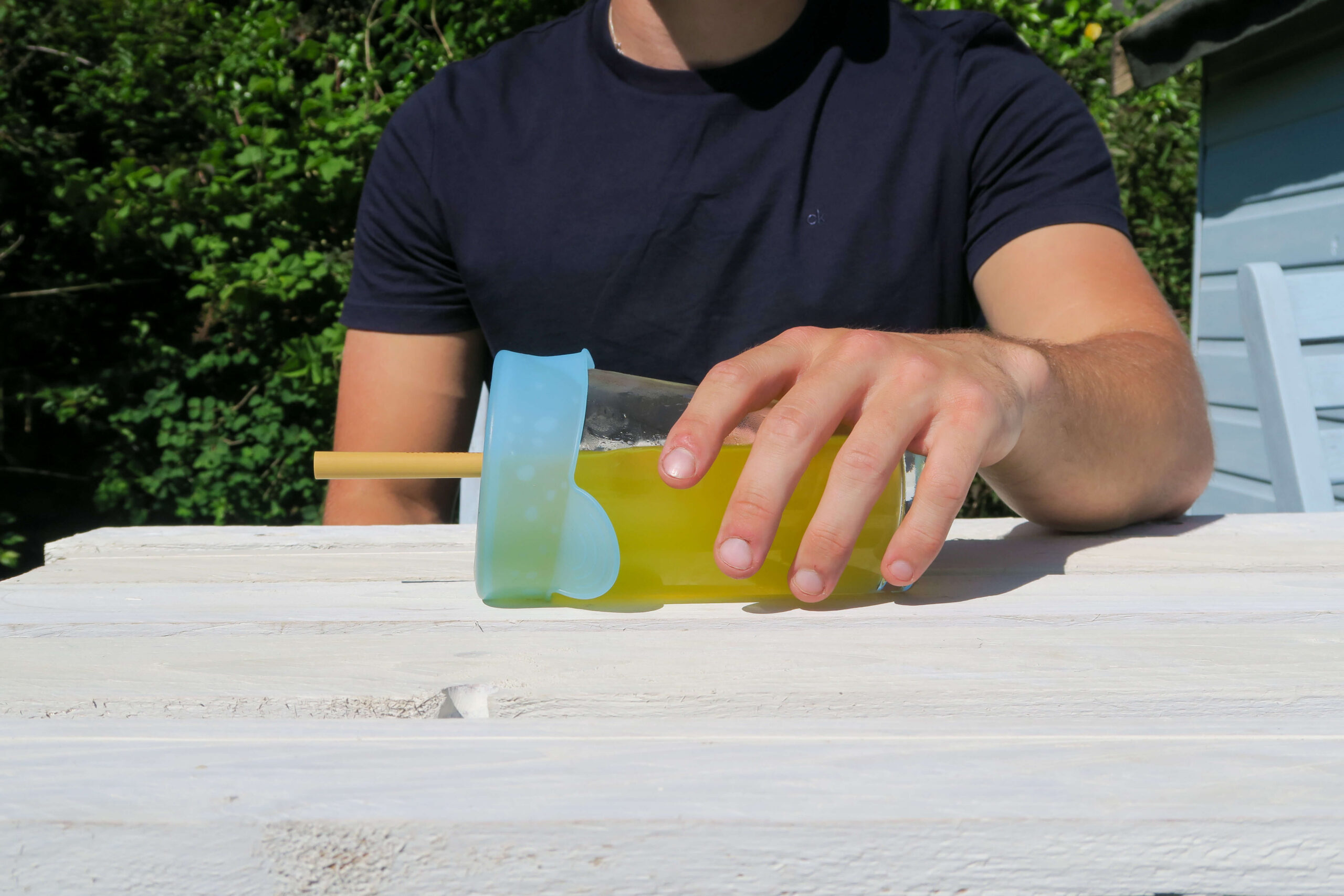
Tenura CupCaps can also support everyday independence by helping cover drinks and reduce the risk of spills, which may be useful when moving between indoor and outdoor spaces.
By combining accessible gardening with accessible food preparation, disabled people can enjoy more of the process from planting and growing through to cooking and eating.
The Wider Benefits of Gardening
Gardening can benefit physical, mental and emotional health. It offers gentle activity, encourages time outside and can support a more structured daily routine. It can also be social, whether through family gardening, community gardens or simply sharing home-grown produce with others.
For disabled gardeners, accessibility is key. The aim is not to make gardening harder or more physically demanding. The aim is to adapt the environment so that gardening remains enjoyable, achievable and safe.
Final Thoughts
Making your garden accessible is about thoughtful design, safer movement and practical adaptations. Raised beds, stable paths, suitable seating, lightweight tools and grip-enhancing products can all help reduce strain and improve confidence.
Tenura daily living aids, including Grip Strips and Rolls, Anti-Slip Mats, Extreme Grip Mats, Jar and Bottle Openers and the Tenura Kitchen Pack, can help support independence both in the garden and in the kitchen.
With the right approach, gardening can remain an accessible, rewarding and health-supporting activity. It can help you stay active, enjoy fresh food, improve your diet and maintain independence – all from your own outdoor space.