
Health
Healthy Eating and Making Things Easier in the Kitchen
Maintaining Health, Independence, and Confidence in the Kitchen
The kitchen is often called the heart of the home, a cosy space for comfort, creativity, and connection. However, for people living with arthritis, mobility challenges, or a disability, everyday kitchen tasks can sometimes seem more like obstacles than sources of joy.
The good news? With a few clever adaptations, thoughtful planning, and supportive products (like our non-slip range), you can bring back pleasure, safety, and independence into your cooking routine.
Cooking with Confidence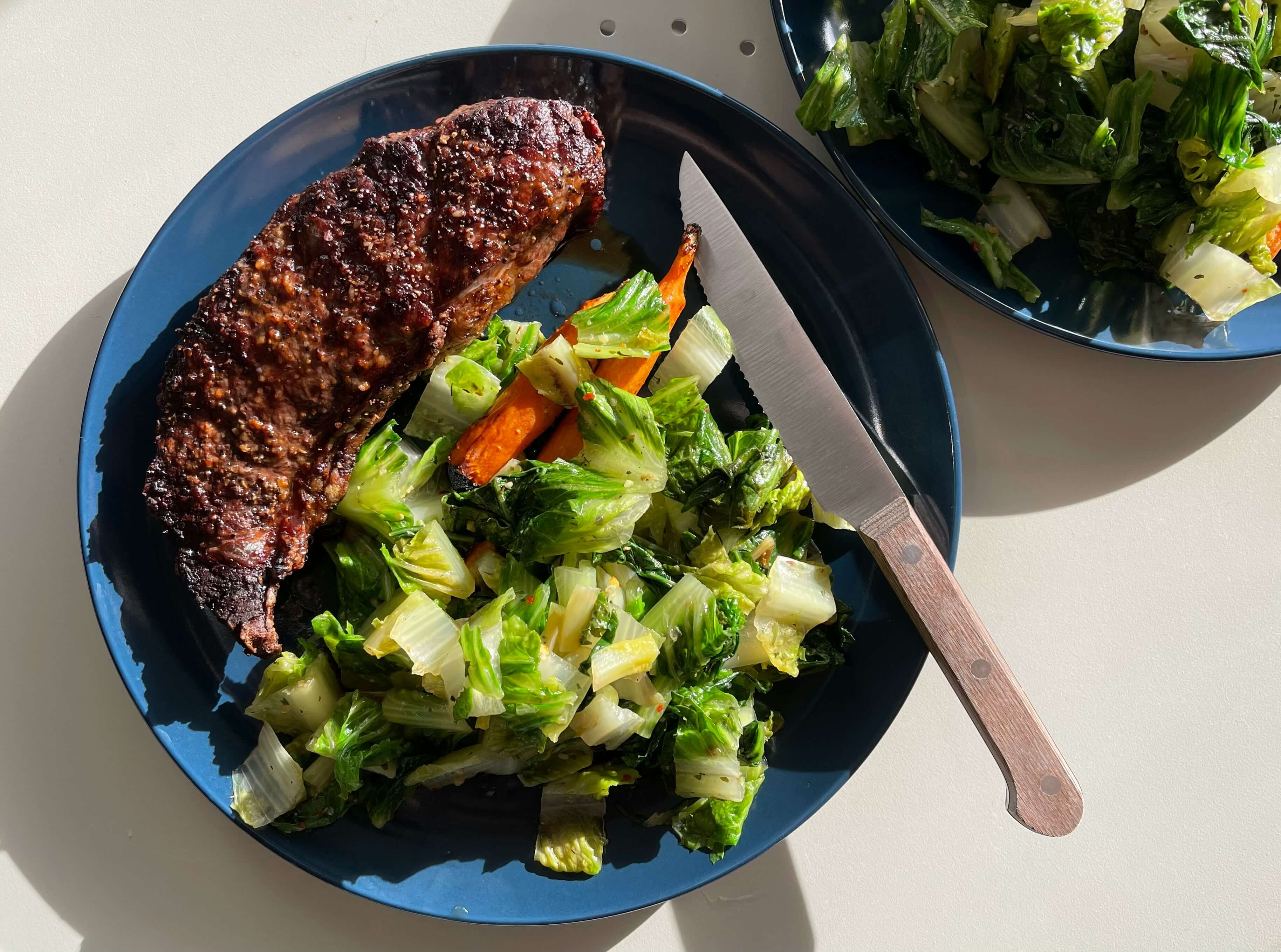
According to Arthritis UK in their article “Arthritis and kitchen hacks: Easy ways to eat well” (2021), preparing meals doesn’t have to be tiring.
The first step is organisation. Keep frequently used ingredients and utensils at waist height to prevent bending or stretching. Where possible, sit down to prepare food, saving energy and easing strain on your joints.
If keeping items stable while chopping or mixing is a challenge, Tenura non-slip mats and anti-slip coasters can hold everything securely. This allows you to concentrate on the recipe rather than the difficulty, making cooking safer and more enjoyable.
Independence in the kitchen often comes from minor environmental adjustments, such as swapping heavy cookware for lightweight pans, using slow cookers to minimise standing time, or adding Tenura anti-slip floor stickers near your sink or stove can make a significant difference. These subtle changes rebuild confidence, lower risks, and help you rediscover freedom in your own home.
Healthy Eating and Disability
A nutritious diet is essential for maintaining independence, energy, and wellbeing. For individuals with limited mobility, carrying extra weight can increase joint pain, cause fatigue, and even impact mental health and motivation. However, eating healthily doesn’t have to be complicated — it’s all about balance, preparation, and accessibility.
Cooking at home lets you control ingredients and portion sizes, something strongly encouraged by Arthritis UK. With Tenura’s non-slip mats, grips, and stabilising aids, everyday cooking becomes safer and easier. When utensils, bowls, and pans stay steady, you save energy and maintain consistency - both essential for a sustainable, healthy diet.
Batch cooking is an excellent way to simplify healthy eating. On days when you have more energy, prepare simple, nutritious dishes such as soups, stews, or salads, then freeze portions for later. Using aids like kettle tippers, ergonomic cutlery, and jar openers can make meal prep much less daunting, especially if you experience fatigue or joint pain.
For more practical tips, Arthritis UK shares guidance on simple kitchen hacks for eating well, this article provides excellent insights for making healthy eating more accessible.
Setting Yourself Up for Success
Preparation is key. Stock your cupboards with essentials, use frozen or pre-chopped vegetables to save time and effort, and keep your workspace organised so you don’t need to move around too much.
Practical steps include:
- Keep commonly used items within easy reach to avoid bending or stretching.
- Use lightweight or double-handled cookware to reduce strain.
- Create a comfortable work zone where you can sit or stand safely.
- Use Tenura’s non-slip mats under bowls and boards, and anti-slip coasters to prevent spills.
Good lighting, clear work surfaces, and simple meal plans can also significantly enhance the ease and enjoyment of cooking.
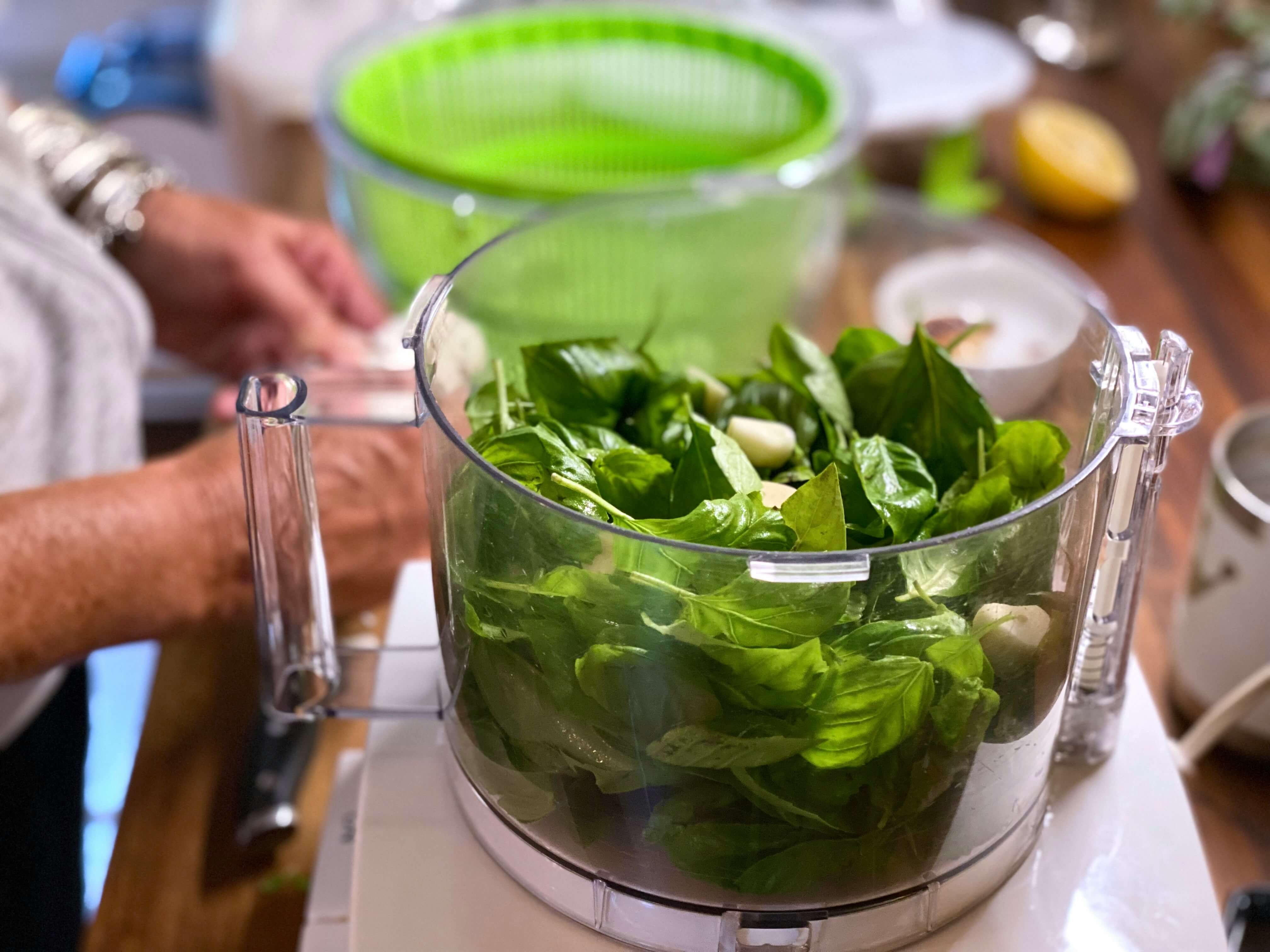 Bringing Joy Back into the Kitchen
Living with a disability doesn’t mean giving up your independence or your love of cooking; it simply involves adapting your space to suit you.
At Tenura, we believe that safety, comfort, and confidence are inextricably linked. Whether you’re preparing a hearty meal, carrying a hot drink, or simply enjoying breakfast, our non-slip products are designed to support your independence and well-being.
Next time you’re in the kitchen, take a moment to look around! Perhaps your chopping board could use some extra grip, or your floor might benefit from improved traction. Small tweaks can significantly enhance your safety, comfort, and enjoyment.
After all, the best recipes aren’t just about the ingredients — they’re about confidence, comfort, and a dash of independence.
Nutrition and Health in the Context of Disability
Good nutrition is the foundation of a healthy, fulfilling life, but for individuals with disabilities, maintaining a balanced diet often requires overcoming unique hurdles. From physical limitations to sensory or cognitive challenges, these barriers can make something as simple as preparing a meal feel overwhelming. Yet, proper nutrition is essential—it fuels the body, supports independence, and reduces the risk of secondary health complications.
The good news? With the right tools, strategies, and support, these challenges can be transformed into opportunities for empowerment and growth. Whether this is with adaptive aids like Tenura products to make meal prep more accessible or leaning on caregivers and support networks for guidance, there are ways to ensure that everyone can enjoy the benefits of a nutritious diet. In this blog, we’ll explore how to navigate the intersection of nutrition, health, and disability to create a path toward better well-being for all.
Impact of Disabilities on Nutritional Needs
Disabilities can make even routine tasks like cooking and eating challenging. For some, physical limitations may restrict mobility, making shopping for groceries or preparing meals difficult. Cognitive or sensory impairments can add complexity, affecting planning and decision-making.
This is where Tenura products can make a real difference. Non-slip mats keep plates and kitchen tools stable, preventing spills, while Jar Openers and Cutlery Grips help overcome issues with reduced grip strength. These tools not only make meal preparation safer and more manageable but also empower individuals to regain some control and independence in the kitchen.
However, the challenges go beyond the kitchen. Barriers like store accessibility, limited adaptive cooking resources, or financial constraints can lead to unhealthy eating patterns or skipped meals. Addressing these obstacles with practical solutions can significantly improve dietary habits and health outcomes.
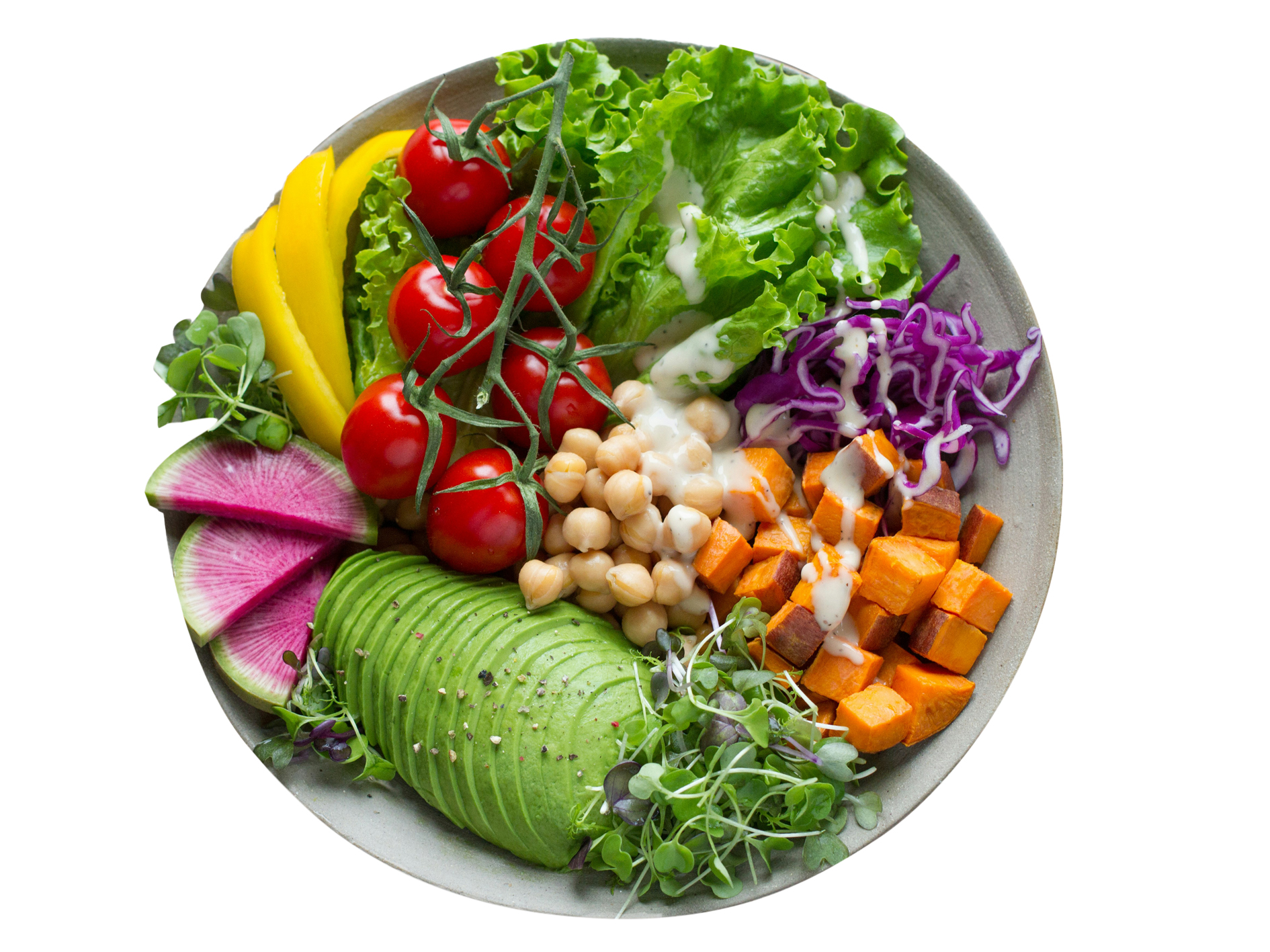 Strategies for Better Nutrition
The path to better nutrition begins with simple, practical strategies tailored to individual needs. Meal planning can reduce stress and ensure balanced diets, while adaptive cooking tools and freezer-friendly meals save time and energy. Fortifying meals with nutrient-dense ingredients and preparing foods that are easier to chew or swallow can address specific dietary concerns.
Healthcare professionals, such as dietitians or occupational therapists, are invaluable allies in this journey. They can offer tailored advice, recommend adaptive tools, and create personalised nutrition plans that cater to unique needs. Collaborating with professionals ensures that nutritional solutions are both practical and sustainable.
The Role of Caregivers and Support Networks
Caregivers and support networks are essential in helping individuals with disabilities maintain proper nutrition and overall well-being. They assist with meal planning, grocery shopping, and food preparation, ensuring dietary needs are met. Tenura products, like Cup Holders and Cutlery Grips, can further support caregivers by simplifying tasks and promoting safe, efficient assistance. Encouraging adaptive tools fosters greater independence, allowing individuals to participate actively in their meals where possible. A strong support network also provides emotional encouragement, helping to establish positive, sustainable eating habits.
To conclude...
Nutrition in the context of disability is about more than food; it’s about creating systems and environments that enable health, independence, and dignity. With the right tools, strategies, and support, individuals with disabilities can overcome barriers to good nutrition and enjoy a higher quality of life. Together, we can ensure everyone has access to the resources they need to thrive—because good nutrition should be accessible to all.