
Independent Living
Why Occupational Therapists Recommend Non-Slip Materials
Occupational Therapists (OTs) help people manage the everyday activities that matter to them - safely, confidently, and as independently as possible. For older adults, people with disabilities, individuals recovering from injury, and those living with reduced strength or coordination, small environmental changes can make a significant difference.
Non-slip mats, grips, liners and strips may look basic, but they address a major practical problem: many daily tasks involve controlling objects that can move, slide, tilt, spill, or become difficult to hold. When dexterity is reduced, these small movements can create real safety risks.
That is why OTs frequently recommend non-slip materials as part of home safety, fall prevention, rehabilitation, and independent living strategies.
Falls Prevention: A Major Reason Behind OT Recommendations
Falls are not a minor issue. The World Health Organisation identifies falls as the second leading cause of unintentional injury deaths worldwide, with an estimated 684,000 deaths each year. Around 37.3 million falls are severe enough to require medical attention annually. Older adults are especially vulnerable. In the United States, the CDC reports that more than 14 million adults aged 65 and over - around one in four - report falling each year. Of those who fall, approximately 37% report an injury requiring medical treatment or restricting activity for at least one day.
Many falls happen in familiar settings, particularly the home. Kitchens, bathrooms, bedrooms, hallways, and living areas all contain everyday hazards, not to mention wet floors, loose mats, unstable objects, clutter, poor lighting, and surfaces that lack sufficient grip. For Occupational Therapists, this makes the home environment a key part of fall prevention. Rather than focusing only on the person’s physical ability, OTs also examine how the environment supports or undermines safe activity.
The OT Approach: Change the Task, the Person, or the Environment
Occupational therapy is practical by nature. When a person struggles with an activity, an OT considers several questions:
Can the task be done differently?
Can the person be supported through rehabilitation, strengthening, or education?
Can the environment be adapted to make the activity safer or easier?
Non-slip materials fit directly into this approach because they modify the environment without requiring major building work, complex equipment, or extensive training. This is why non-slip aids are often recommended for people with arthritis, stroke-related weakness, Parkinson’s disease, reduced grip strength, tremor, poor coordination, fatigue, visual impairment, or general age-related decline.
Why Non-Slip Materials Matter in Daily Living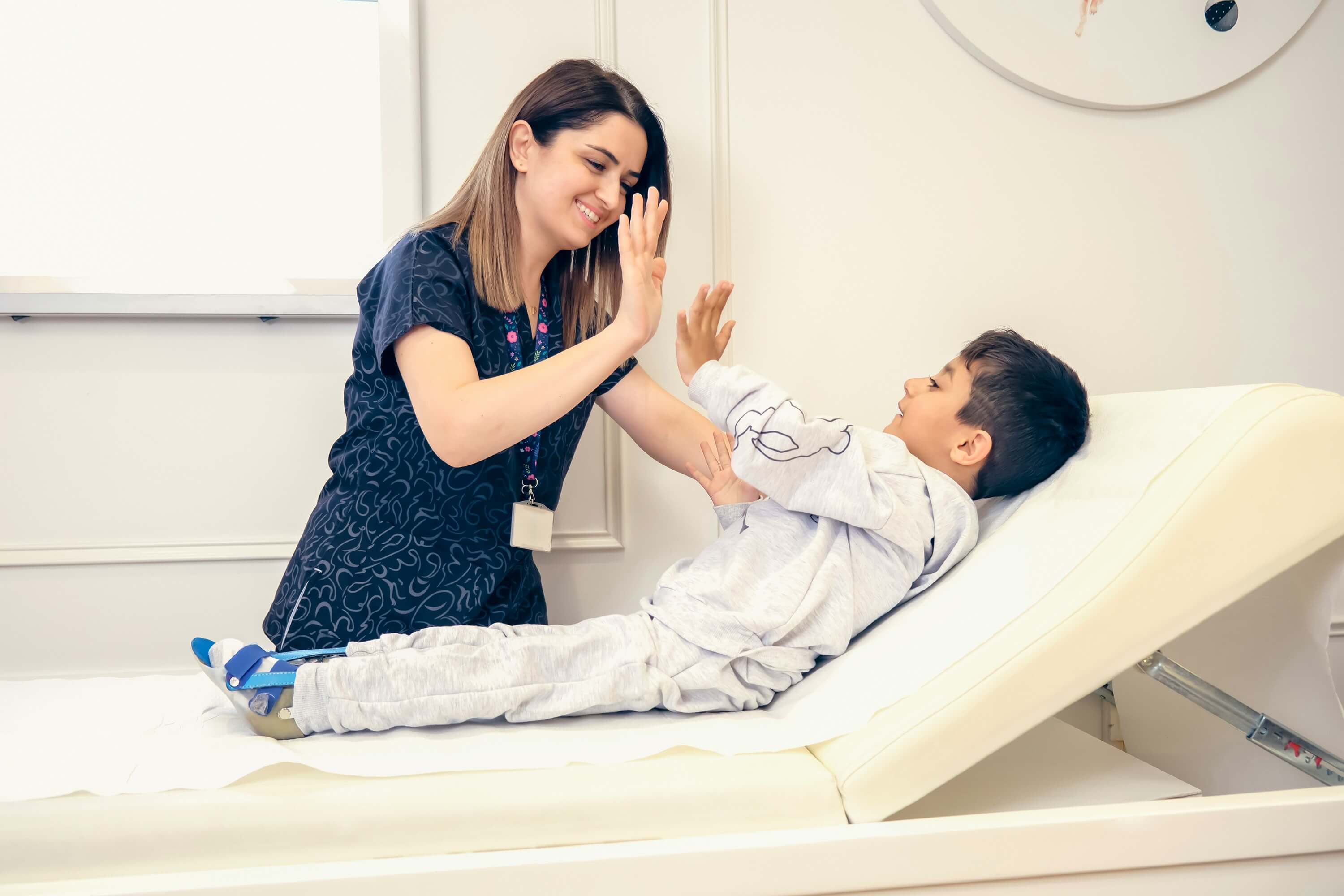
Non-slip materials are not only about preventing dramatic accidents. They also reduce small, repeated frustrations that can make daily life harder.
A cup that slides.
A plate that rotates.
A utensil that is difficult to control.
A bowl that moves while mixing.
A tray that feels unstable.
A walking aid handle that feels insecure.
For someone with full strength and coordination, these may be minor inconveniences. For someone with reduced hand function, they can be the difference between completing a task independently and needing assistance.
Key Reasons Occupational Therapists Recommend Non-Slip Materials
They Reduce Unwanted Movement - Many daily activities require one object to remain still while another action is performed. Cutting food, opening containers, writing, eating, mixing, washing, or transferring items all rely on stability. Non-slip materials increase friction between surfaces, helping objects stay in place. This can reduce the need for excessive gripping, bracing, or awkward body positioning.
They Support One-Handed Techniques - After a stroke, injury, surgery, or amputation, a person may need to complete tasks using one hand. Non-slip mats and stabilising surfaces can make one-handed eating, food preparation, grooming, and household activities more achievable. For example, a non-slip mat beneath a plate can help prevent it from sliding while the user cuts food with one hand. This is a simple adaptation, but it can significantly improve independence.
They Reduce Strain on Painful or Weak Joints - People with arthritis, reduced grip strength, or hand pain often compensate by gripping harder. This can increase fatigue and discomfort. Non-slip materials allow objects to be held, opened, or stabilised with less force. This can make daily tasks more comfortable and reduce the physical effort required.
They Improve Confidence - Fear of falling or dropping objects can lead people to avoid activities. Avoidance then reduces independence and can increase reliance on carers. A stable plate, secure mat, safer tray, or improved grip can help someone feel more in control. In occupational therapy, confidence is not a secondary benefit - it often determines whether a person continues to participate in daily activities.
They Help Reduce Caregiver Dependence - When a person can safely eat, prepare food, organise items, or manage basic household tasks with less assistance, this supports dignity and autonomy. It can also reduce the physical and time burden on family members, carers, and care staff.
Evidence Behind Home Safety Interventions
Non-slip materials are part of a wider evidence-based approach to home safety and falls prevention. NICE guidance on falls assessment and prevention recommends home hazard assessment and intervention for people at risk, and states that this may be carried out by an Occupational Therapist. Cochrane evidence also indicates that home safety interventions can reduce falls, particularly for people at higher risk and when delivered by Occupational Therapists.
These interventions may include: Assessing the home for hazards, improving lighting and layout, removing or securing trip hazards, recommending assistive equipment, advising on safer movement strategies, supporting behaviour changes and adding non-slip products where appropriate
Non-slip materials are not a complete falls prevention strategy on their own. They are most effective when used as part of a wider assessment that considers the person, the task, and the environment.
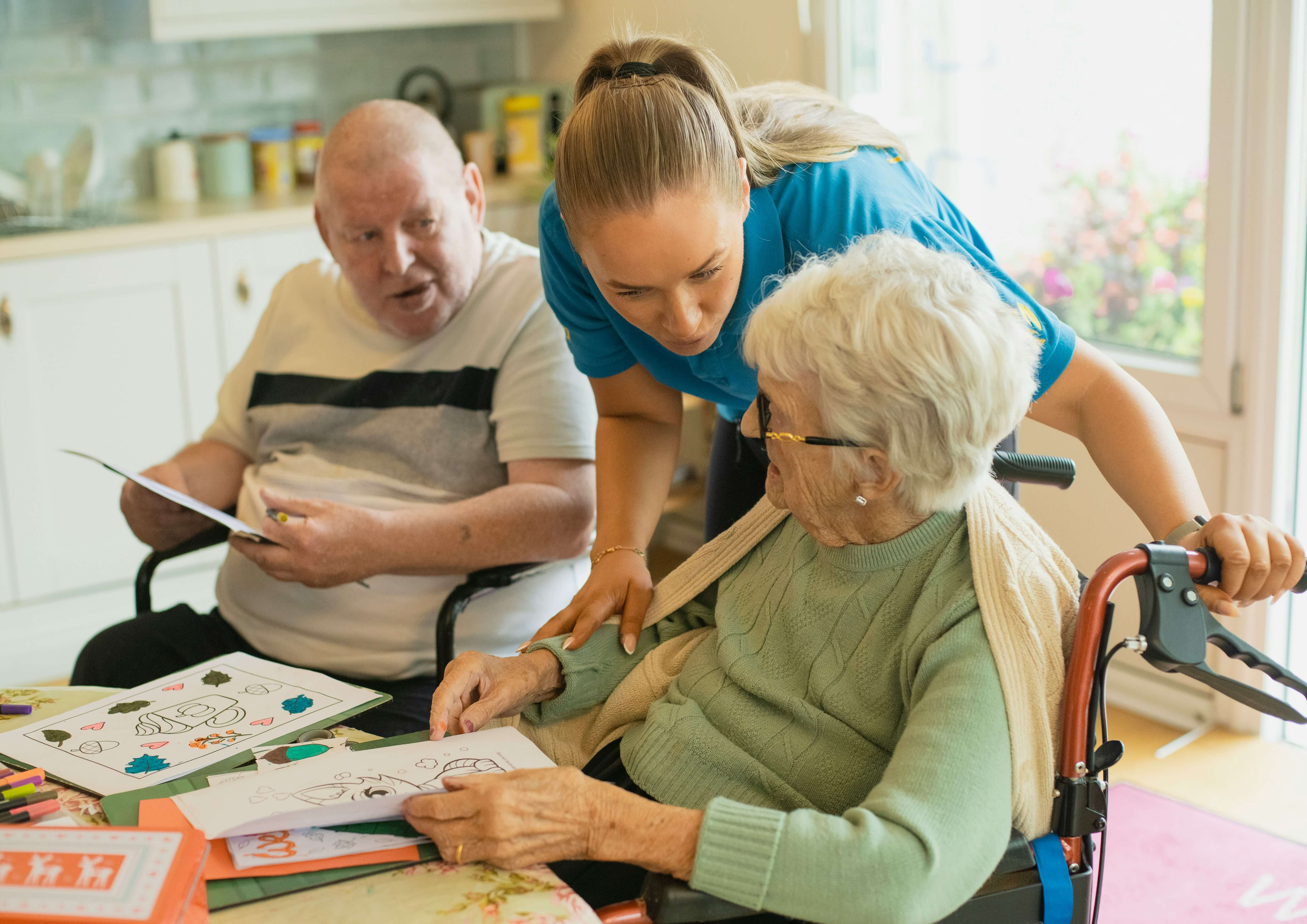 Why OTs Value Simple Interventions
In occupational therapy, the most effective solution is not always the most complex one. OTs often prioritise interventions that are practical, affordable, safe, and easy to adopt.
Non-slip materials are valued because they are:
Quick to introduce.
Easy to understand.
Suitable for many different tasks.
Often portable.
Useful in both short-term rehabilitation and long-term care.
Low cost compared with structural home adaptations.
Compatible with broader falls prevention planning.
This makes them especially useful in community care, hospital discharge planning, rehabilitation programmes, care homes, and everyday home adaptations.
The Bigger Picture: Independence Through Environmental Design
A key principle of occupational therapy is that disability is not only caused by a person’s condition. It is also shaped by the environment around them.
A person with reduced grip may struggle with a smooth plastic cup, but manage well with a cup placed on a non-slip mat.
A person with one functional hand may struggle to prepare food on a moving chopping board, but succeed when the board is stabilised.
A person with low confidence after a fall may avoid activity, but regain independence when their home feels safer and more predictable.
This is the value of non-slip materials. They reduce the gap between a person’s abilities and the demands of the task.
Occupational Therapists recommend non-slip materials because they solve practical problems that affect safety, independence, and confidence in daily life. They help stabilise objects, reduce unwanted movement, support one-handed techniques, compensate for reduced grip or coordination, and contribute to safer home environments. Evidence from falls prevention research supports the value of home safety interventions, particularly when they are targeted to the individual and guided by occupational therapy assessment.
Non-slip materials are simple, but their impact can be meaningful. In many cases, a small improvement in stability can help someone continue eating, cooking, washing, moving, and living with greater independence.
That is occupational therapy at its most effective: practical changes that make everyday life safer, easier, and more manageable.
Celebrating Strength and Independence: The Paralympic Winter Games
 Today, March 6th, 2026, marks the start of the 2026 Winter Paralympic Games — an inspiring showcase of determination, skill, and resilience. Athletes from around the world are demonstrating what’s possible when talent, innovation, and confidence come together.
The Paralympics are a celebration of ability, not limitation. They show that with the right support, people can achieve incredible things — on the slopes, on the ice, and in everyday life. At Tenura, we see the same principle in the home: independence is about empowering people to do what they love, comfortably and confidently.
 Independence Through Innovation
Paralympic athletes rely on specially designed equipment — sit-skis, prosthetics, sledges, and adaptive poles — to compete at the highest level. These innovations allow them to turn challenges into achievements, combining skill, determination, and smart design.
Similarly, assistive products for daily life are small innovations that help people perform everyday tasks with confidence. Just as adaptive sports equipment enables athletes to excel, thoughtfully designed home aids empower people to maintain independence and enjoy daily activities fully.
Finding Joy in Every Action
One of the most uplifting aspects of the Paralympics is the sheer joy on display. Athletes celebrate every run down the slope, every goal on the ice, every turn on the snowboard. Their enthusiasm reminds us that independence isn’t just practical — it’s joyful.
In our homes, the same joy can be found when tasks feel easy, secure, and under control. A stable grip, a non-slip mat, or a simple assistive tool can transform an everyday activity into a moment of confidence and satisfaction.
Inspiration Beyond the Arena
The Paralympics show that independence is limitless when combined with determination and support. This message resonates beyond sport: whether someone is cooking, crafting, or exploring the outdoors, independence comes from knowing that tools and environments are designed with their abilities in mind.
Every Paralympic athlete exemplifies this. Their courage and creativity inspire millions to approach life with the same energy, adaptability, and positivity.
Uplifting Independence in Everyday Life
At Tenura, we celebrate independence through products that enhance grip, stability, and control. Simple adjustments in the home can empower people to live fully and confidently. When people feel capable, everyday life becomes more vibrant, engaging, and joyful.
Just as the Paralympians inspire the world on the slopes, so too can everyday independence inspire confidence and happiness at home. Every action completed confidently is a reminder that independence is possible, empowering, and uplifting.
Digital Literacy and the Elderly
As society accelerates into the digital age, a growing share of the population struggles to keep pace. Adults over 65 represent one of the fastest-growing demographics worldwide, yet surveys consistently show that many feel uncertain about basic online tasks. Approximately 77% to 93% of adults aged 65 and over own a smartphone as of 2024-2025, representing a dramatic increase in adoption. However, 46% report feeling uncomfortable navigating websites or apps, and nearly half avoid online services altogether due to fear of scams or confusion over interfaces. For these individuals, technology is a barrier to independence, safety, and meaningful connection.
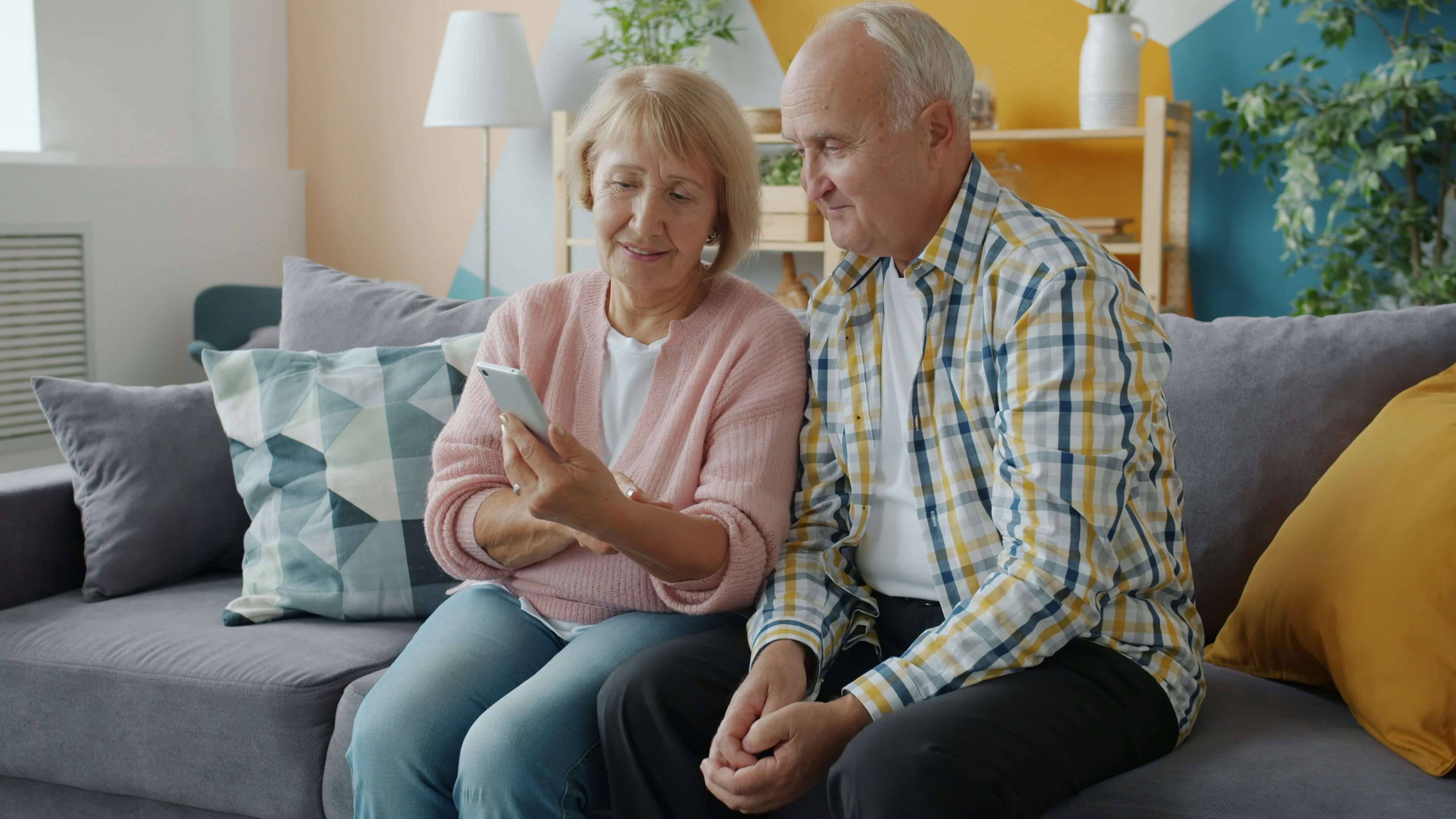 The consequences of this digital gap are tangible. Telehealth services, which became essential during the COVID-19 pandemic, remain a primary mode of healthcare access for millions. Seniors unable to use these platforms may delay care, miss appointments, or fail to access critical resources, exacerbating health disparities. Financial independence is similarly threatened. As banking, utility management, and government services shift online, older adults without digital skills risk becoming dependent on family members or vulnerable to fraud. Social isolation, already a documented risk factor for depression and cognitive decline, is worsened when communication channels are limited to in-person interactions that may be infrequent. In essence, the digital divide is not an abstract problem—it is a structural barrier that affects well-being, autonomy, and safety.
The challenges seniors face with digital tools are well understood but often ignored in mainstream technology design. Many encounter devices that are unintuitive, cluttered, or physically difficult to use. Security concerns and the pervasive threat of online scams discourage engagement, while the lack of patient, structured instruction creates a cycle of avoidance and anxiety. Despite these obstacles, evidence demonstrates that with support, seniors can not only adopt technology but thrive with it. Programs such as Cyber-Seniors and Tech Life Unity, along with local community workshops, show significant improvements in confidence and skill when older learners are given instruction tailored to their pace and concerns. Intergenerational mentorship, where younger volunteers guide seniors, also proves effective, offering both technical guidance and social reinforcement.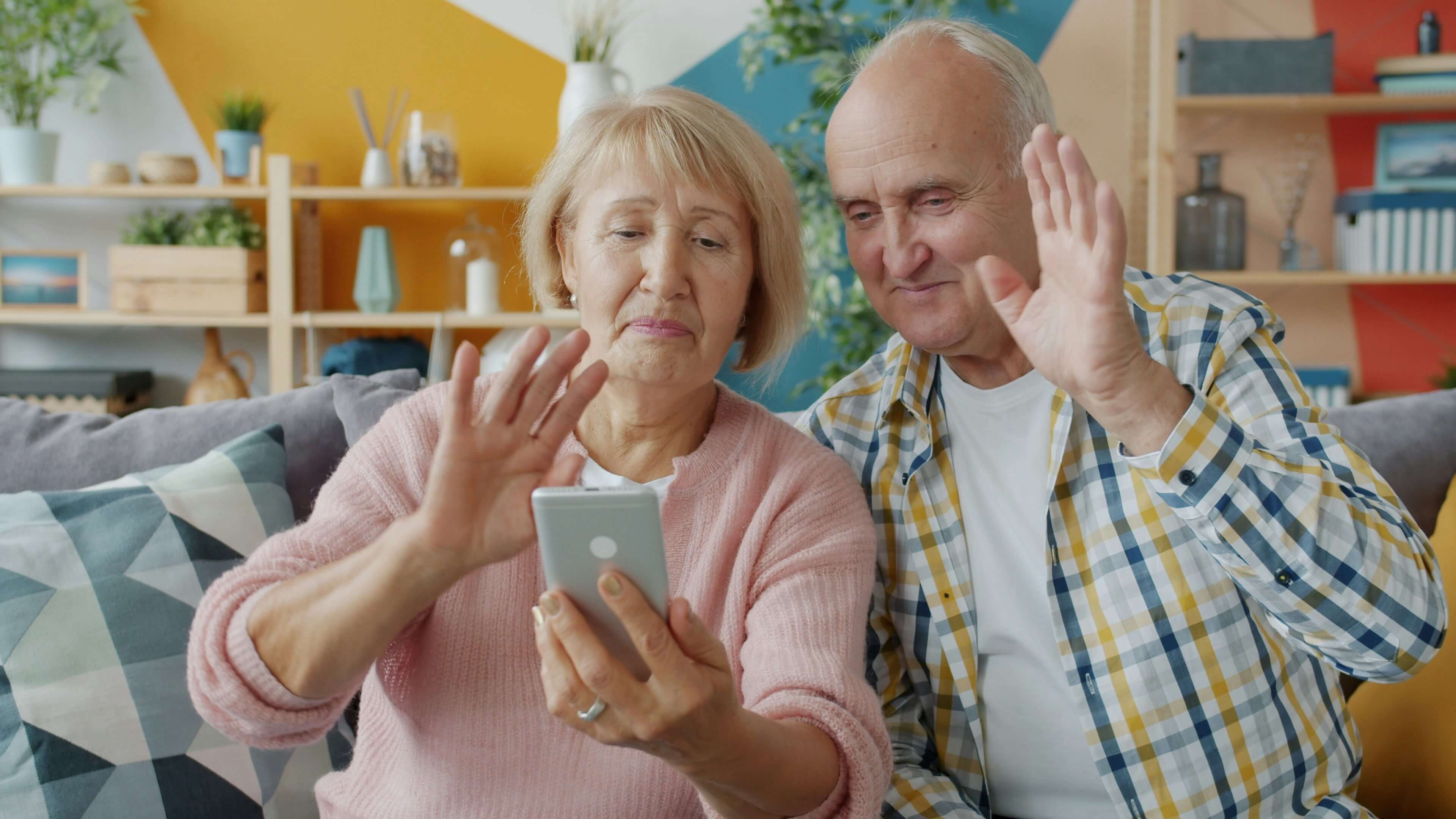
Digital literacy for the elderly is not simply a matter of convenience; it is a question of independence, equity, and dignity. Many older adults do not know what questions to ask or where to begin, and without guidance, they risk being left behind in an increasingly connected world. Families and carers play a crucial role in bridging this gap by starting with what matters most to the individual: access to healthcare, communication with loved ones, financial management, and engagement with community resources. Learning becomes meaningful when it addresses these real-life needs rather than abstract technical skills. Education in this context must be patient, incremental, and supportive, allowing the elderly to practice new tasks repeatedly until confidence grows. Tools and devices should be chosen with accessibility in mind, including larger text, simplified interfaces, and voice-assisted functions, which reduce frustration and encourage experimentation. Beyond technical proficiency, they require guidance on safety and privacy practices, gradually learning to recognise scams, manage passwords, and navigate online interactions securely. Equally important is the social dimension of learning: intergenerational teaching, community workshops, and peer-led programs reinforce skills while fostering connection and reassurance, ensuring the elderly feel supported rather than isolated in their efforts. By translating technology into practical benefits—such as telehealth appointments, video calls with family, online bill management, or the digitisation of family memories—carers and families demonstrate the relevance of digital skills to daily life. Advocacy extends beyond the household as well, calling for public programs, inclusive design standards, and accessible resources that empower older adults to engage fully with the digital world. When education, support, and advocacy converge, they are not simply taught to use devices; they are equipped to navigate technology confidently, preserve autonomy, and maintain meaningful participation in modern society. Digital literacy, in this sense, is a matter of social responsibility, ensuring that the elderly are neither excluded nor disempowered but can access the tools they need to live with independence, security, and dignity.
Healthy Eating and Making Things Easier in the Kitchen
Maintaining Health, Independence, and Confidence in the Kitchen
The kitchen is often called the heart of the home, a cosy space for comfort, creativity, and connection. However, for people living with arthritis, mobility challenges, or a disability, everyday kitchen tasks can sometimes seem more like obstacles than sources of joy.
The good news? With a few clever adaptations, thoughtful planning, and supportive products (like our non-slip range), you can bring back pleasure, safety, and independence into your cooking routine.
Cooking with Confidence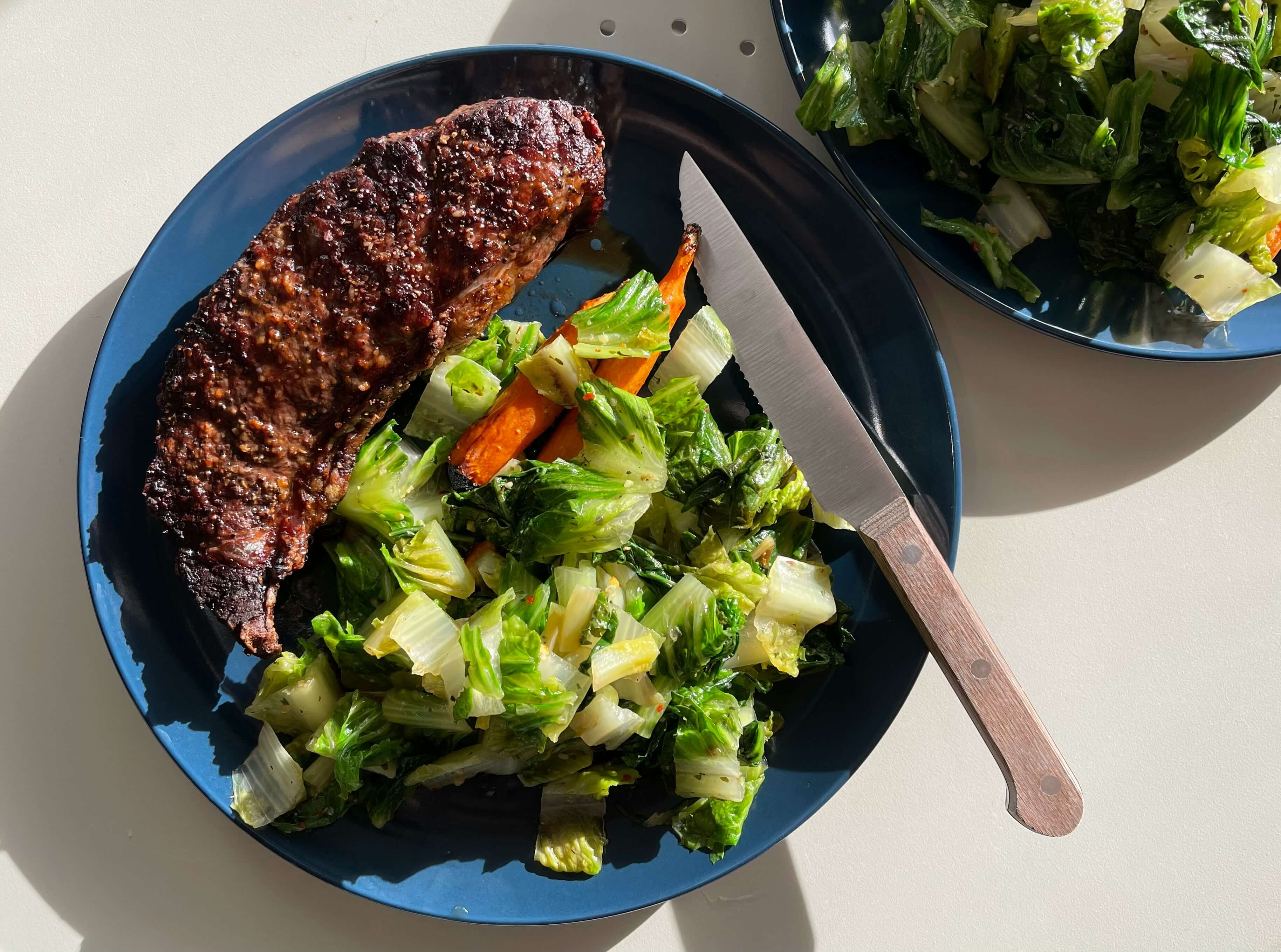
According to Arthritis UK in their article “Arthritis and kitchen hacks: Easy ways to eat well” (2021), preparing meals doesn’t have to be tiring.
The first step is organisation. Keep frequently used ingredients and utensils at waist height to prevent bending or stretching. Where possible, sit down to prepare food, saving energy and easing strain on your joints.
If keeping items stable while chopping or mixing is a challenge, Tenura non-slip mats and anti-slip coasters can hold everything securely. This allows you to concentrate on the recipe rather than the difficulty, making cooking safer and more enjoyable.
Independence in the kitchen often comes from minor environmental adjustments, such as swapping heavy cookware for lightweight pans, using slow cookers to minimise standing time, or adding Tenura anti-slip floor stickers near your sink or stove can make a significant difference. These subtle changes rebuild confidence, lower risks, and help you rediscover freedom in your own home.
Healthy Eating and Disability
A nutritious diet is essential for maintaining independence, energy, and wellbeing. For individuals with limited mobility, carrying extra weight can increase joint pain, cause fatigue, and even impact mental health and motivation. However, eating healthily doesn’t have to be complicated — it’s all about balance, preparation, and accessibility.
Cooking at home lets you control ingredients and portion sizes, something strongly encouraged by Arthritis UK. With Tenura’s non-slip mats, grips, and stabilising aids, everyday cooking becomes safer and easier. When utensils, bowls, and pans stay steady, you save energy and maintain consistency - both essential for a sustainable, healthy diet.
Batch cooking is an excellent way to simplify healthy eating. On days when you have more energy, prepare simple, nutritious dishes such as soups, stews, or salads, then freeze portions for later. Using aids like kettle tippers, ergonomic cutlery, and jar openers can make meal prep much less daunting, especially if you experience fatigue or joint pain.
For more practical tips, Arthritis UK shares guidance on simple kitchen hacks for eating well, this article provides excellent insights for making healthy eating more accessible.
Setting Yourself Up for Success
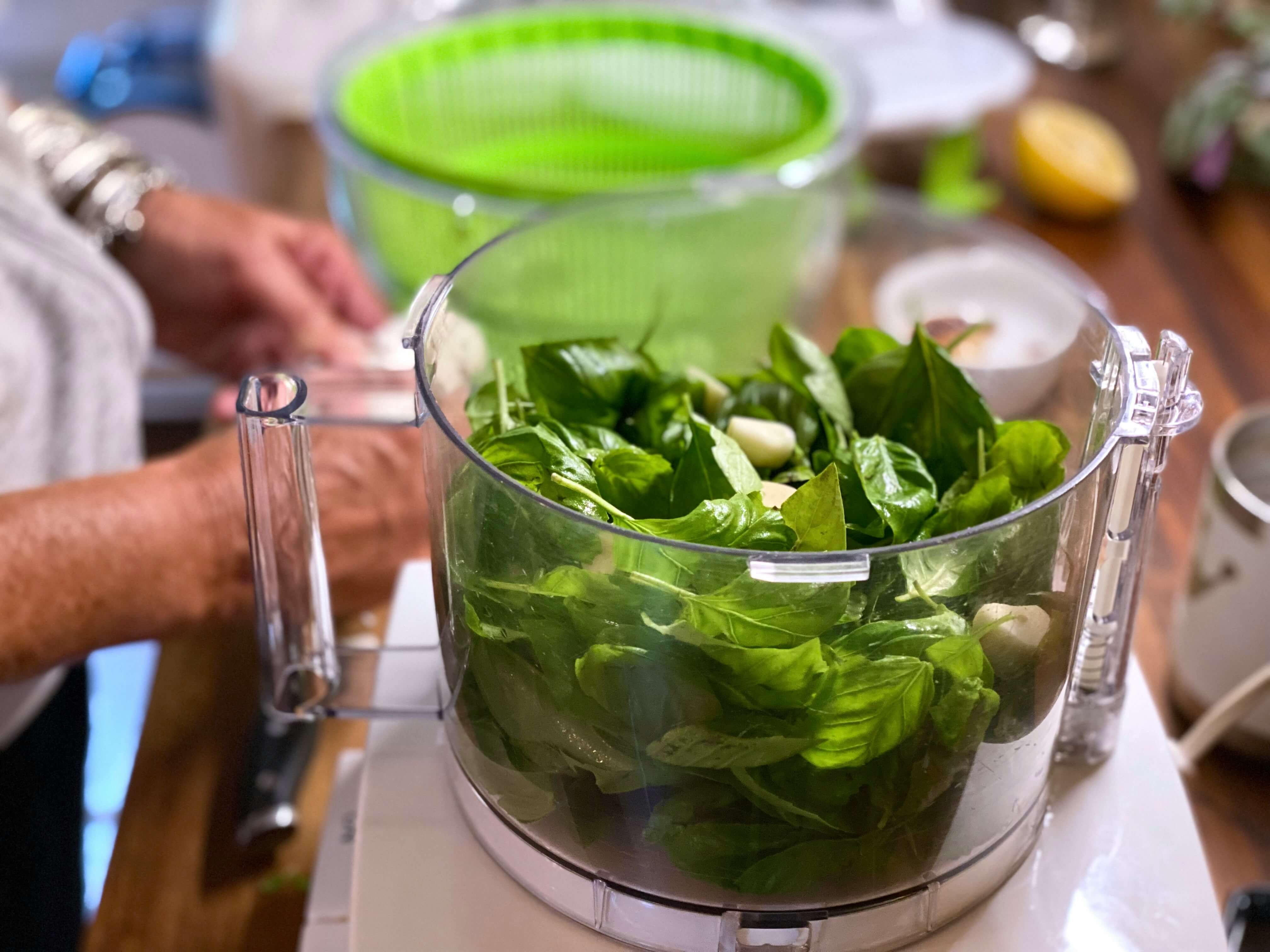
Preparation is key. Stock your cupboards with essentials, use frozen or pre-chopped vegetables to save time and effort, and keep your workspace organised so you don’t need to move around too much.
Practical steps include:
- Keep commonly used items within easy reach to avoid bending or stretching.
- Use lightweight or double-handled cookware to reduce strain.
- Create a comfortable work zone where you can sit or stand safely.
- Use Tenura’s non-slip mats under bowls and boards, and anti-slip coasters to prevent spills.
Good lighting, clear work surfaces, and simple meal plans can also significantly enhance the ease and enjoyment of cooking.
 Bringing Joy Back into the Kitchen
Living with a disability doesn’t mean giving up your independence or your love of cooking; it simply involves adapting your space to suit you.
At Tenura, we believe that safety, comfort, and confidence are inextricably linked. Whether you’re preparing a hearty meal, carrying a hot drink, or simply enjoying breakfast, our non-slip products are designed to support your independence and well-being.
Next time you’re in the kitchen, take a moment to look around! Perhaps your chopping board could use some extra grip, or your floor might benefit from improved traction. Small tweaks can significantly enhance your safety, comfort, and enjoyment.
After all, the best recipes aren’t just about the ingredients — they’re about confidence, comfort, and a dash of independence.
Promoting Independent Living Through Smart Home Design
According to the Royal Society for the Prevention of Accidents (RoSPA), the home is the most common location for an accident. Falls are noted to be the most common of accidents, which can result in serious injury for anyone of any age, though the risk of falling increases as we get older. For seniors who wish to live independently in their own home, safety is essential for both minimising accidents and elevating quality of life. In the kitchen, innovative design solutions can minimise burns, slips, and falls. From the power of technology and lighting solutions to burn prevention, there is no shortage of options when aiming to elevate kitchen safety.
The Role of Efficient Lighting
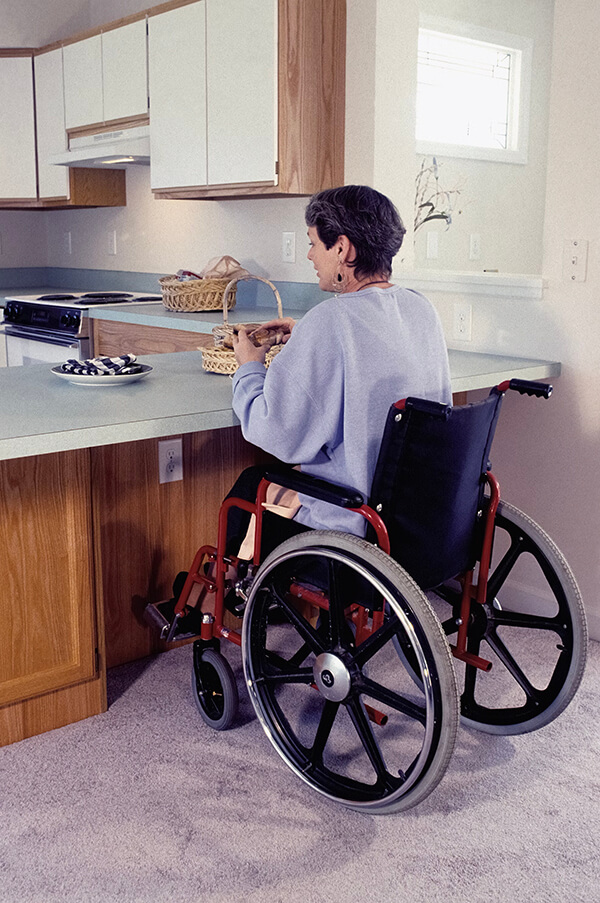 Modern kitchens have evolved to put safety at the forefront of design, with Shyamala Prabhu, Principal Architect at Aakruti Architects and Designers explaining it best. “The modern kitchen has evolved in a way to take care of all age groups. For example, appliances with a soft touch and soft closing are very safe even for senior citizens to use.” Prabhu points out the value of technology within the kitchen, noting that appliances that respond to voice can be particularly beneficial to older individuals who wish to maintain independence within their kitchen. Technology enables seniors to set a timer, operate smaller appliances (like a coffee maker), and even turn on lights with their voice or the touch of a button, making the modern kitchen immensely accessible for those with limited reach or those who experience a disability.
Additional design choices can further enhance the accessibility and safety of a kitchen. Lighting, for example, can go a long way when creating a kitchen that keeps safety at the forefront of the design. While it may sound relatively simple, it can enable individuals to see hazards like clutter and dropped items better. Efficient lighting can also allow an individual with poor eyesight to read a recipe better, which can further prevent any mishaps. In addition, specialised lighting solutions can illuminate those ‘always dark’ areas or corners of the room. Recessed or track lighting is often used when installing accent lighting. In the kitchen, accent lighting can make a significant difference when better illuminating the countertops throughout the day and night. Drawer lighting can also make a difference, especially when it comes to cluttered drawers or containing sharp utensils.
Proper lighting can also supplement smart organisational strategies, making favourite products more accessible and visible. For example, products geared towards safety and independence in the kitchen — like Anti-Slip Cutlery Grips or Antimicrobial CupCaps can easily become lost or misplaced in the kitchen. A designated drawer with lighting or even a small basket on the counter, however, can be illuminated for easy access while providing the items with a designated place. The same can be said when keeping practical items like Anti-Slip Cup Holders and Anti-Slip Coasters within reach, making a nighttime tea much safer and accessible.
From Burn Prevention to Fire Safety
Burns are a common injury that can generally be avoided when considering kitchen safety. Innovative kitchen solutions, such as Extreme Super Grip Adhesive Mats, are ideal when carrying a tray of hot tea or soup. However, diving deeper into kitchen design can further prevent injury. For example, one Houzz article points out that keeping your microwave at counter height is best for your back, as it eliminates the need to bend or reach over your shoulders. This can also prevent injury when heating food, enabling you to grip plates and cups without spilling.
Non-slip floor mats can further add to burn prevention within the kitchen, especially when considering how often hot items, liquids, and food are shuffled about from countertop to stove. When choosing the right non-slip floor mat, it’s imperative to factor in comfort and safety, especially if you enjoy spending plenty of time in the kitchen. Slip-resistant anti-fatigue mats are a consideration when enhancing kitchen safety while supporting the back and feet. When it comes to the stove, installing high-heat limiting burner covers and an in-hood extinguisher that can contain a stove top fire are both significant considerations in addition to a kitchen fire extinguisher.
Encouraging Healthy Activities — the Kitchen Garden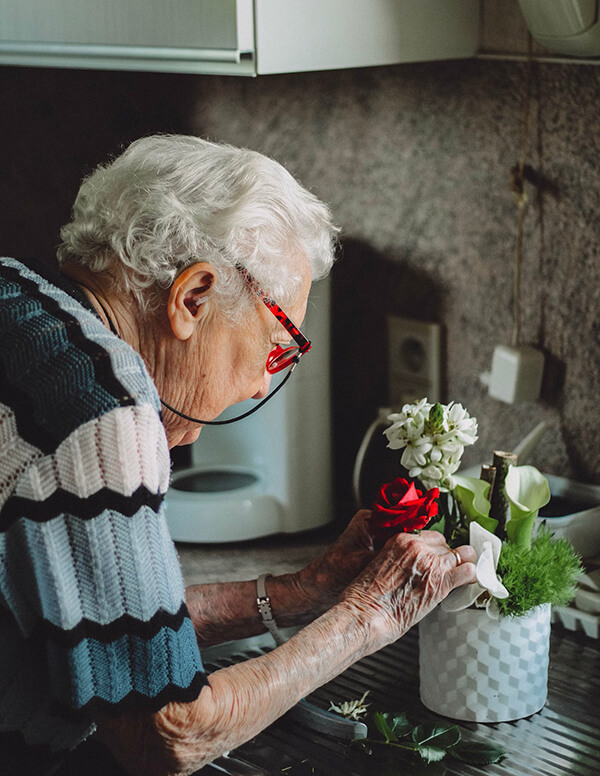
Integrating plants within the home can promote independent living, especially when outdoor gardening presents challenges (an uneven walkway, pain associated with kneeling, etc.). On the other hand, caring for indoor plants presents an excellent opportunity to stay active and engaged in a hobby. That said, even the presence of plants within the home brings to light an array of benefits. For example, plants in the home or office are scientifically proven to make you feel more comfortable, soothed, and natural, according to one study published in the Journal of Physiological Anthropology. Healthline goes on to identify several additional advantages of plants within the home, noting that they may boost productivity, provide therapeutic benefits, and may even help you recover from illness faster.
To accommodate seniors who experience health conditions that can make movement difficult (like arthritis), mindfully designing a safe and green kitchen is essential. One way to do this is by elevating individual plants or an indoor garden to prevent the need for bending down and minimise the risks of tripping and falling, while incorporating a nearby plant-care station (with arthritis-friendly shears, for example) can encourage regular and pain-free gardening. A straightforward solution is to keep a small herb garden on the counter, using a non-slip mat to secure the plants while keeping the greenery central to the kitchen sink for easy watering. The same idea can be applied should you choose to designate a drawer to gardening supplies. Tenura grip strips and rolls can also be helpful to store and organise supplies while guaranteeing that everything stays put.
Moving extra plants to the living room is another solution, especially if your kitchen doesn’t allow for the safe integration of plants. In smaller spaces, utilising vertical space is key in keeping plants off the ground in a way that minimises clutter. This is particularly important when keeping in mind the fact that according to the RoSPA, more accidents occur in the lounge or living room than anywhere else in the home. With that in mind, a macrame plant hanger is an excellent solution and can even be made right from home with the help of a kit. A shelving structure is another great way to confine the plants to a specific indoor gardening area while minimising the chances of tripping over anything.
Safety is a must when trying to maintain independence at home as we age. The kitchen is just one area of the home that can result in cuts, burns, and other injuries, highlighting the importance of smart home design. Simple solutions such as proper lighting and the safe integration of hobbies offer several options for those looking to enhance safety at home.
Improving Device Grip with Aqua Safe Bath Stickers
In an age where technology plays a significant role in daily life, individuals with mobility challenges, arthritis, or reduced grip strength often find it difficult to use electronic devices safely and comfortably. Whether it’s holding a phone, operating a tablet, or using a remote control, devices can easily slip from your hands or become difficult to manage. Our Anti-Slip Bath and Shower Stickers offer a simple yet effective solution to improve grip on various electronics and devices.
Why Anti-Slip Stickers are Ideal for Electronics
Our Aqua Safe stickers are made from a strong, non-abrasive material, making them perfect for adding a secure grip to devices without damaging them. They are gentle on bare skin, which is crucial for those with arthritis or reduced hand strength. Adding these anti-slip stickers to electronics can enhance grip strength, reduce the risk of dropping devices, and make them easier to handle, especially for those with physical challenges.
The Benefits for Those with Arthritis and Mobility Struggles
Many small but frustrating challenges can make technology feel less accessible. That’s why our anti-slip stickers are a practical solution, providing the extra grip needed to secure any device. This added stability helps make the digital world more navigable, reducing the worry and stress of accidental drops and adding greater control.
A Simple Solution
Our Stickers come in 200mm x 20mm strips or 40mm diameter circles, making them adaptable for any device. You can easily customise their placement for the best grip. Their strong self-adhesive backing ensures they stay securely in place without needing constant adjustments.
Unlike traditional non-slip pads, Tenura stickers are made from non-abrasive material, so they will not scratch or damage delicate electronics. They also offer a much cleaner solution than other grip aids. They are designed to be waterproof and durable, able to withstand varying temperatures, ensuring they continue to provide excellent grip for extended periods.
Stylish, Functional Protection
Not only do they improve the safety and functionality of electronics, but they also blend seamlessly into their design. Available in transparent and white options, the stickers won’t interfere with the aesthetic of your devices, making them both practical and stylish. With a wide variety of sizes, you can tailor the stickers to fit the needs of your devices without compromising their appearance.
A Small Addition That Makes a Big Difference
In a world where staying connected is more important than ever, our product offers a simple yet powerful way to make everyday tech more accessible and safer to use. Whether you're living with arthritis, reduced grip strength, or other mobility challenges, these discreet stickers provide added confidence, control, and comfort without compromising the look or feel of your devices. It’s a small change that can have a meaningful impact on daily life.
Travelling Abroad as an Older Person
Travelling in your later years is not only possible but incredibly rewarding. Whether it's experiencing new cultures, revisiting familiar places, or simply enjoying some well-deserved rest, the benefits of travel are vast. Studies show that travel can boost mental and physical health, foster a sense of independence, and create lasting memories. But it's natural to have concerns about comfort, mobility, and health while on the go. In this guide, we'll explore how you can address these issues and make your trip smoother and more enjoyable.
Planning Your Trip
 Choosing the Right Destination
When selecting a destination, it’s essential to choose places that are accessible and senior-friendly. Look for destinations with good healthcare options, reliable infrastructure, and mild climates. A place with easily navigable streets, elevators, and transport systems will make your travel experience much more enjoyable. Consider destinations that cater to older travellers, such as resorts, cruises, or cities known for their accessibility.
Travel Insurance
No one plans for things to go wrong, but accidents and illnesses can happen, especially while travelling abroad. That's why it's important to purchase comprehensive travel insurance that covers unexpected medical costs, cancellations, and emergencies. Be sure the policy includes any pre-existing health conditions you may have.
Consulting with Your Doctor
Before you travel, make an appointment with your doctor to discuss any health concerns, medications, or vaccinations you may need for your trip. Carry copies of your prescriptions and medical records, particularly if you have ongoing health conditions.
Packing Tips
Health and Safety Supplies
Pack extra medication (in its original containers), a first-aid kit, and any mobility aids you might need while travelling. If you use medical devices like a hearing aid, CPAP machine, or an oxygen tank, ensure you have the necessary accessories and backup supplies.
Comfortable Clothing
Wearing the right clothing is essential for comfort during long flights or sightseeing excursions. Opt for lightweight, breathable clothes and comfortable shoes that support long walking.
Useful Tenura Products
Packing some simple yet effective aids can make a big difference. Tenura products like anti-slip mats are a must-have for hotel rooms or vacation rentals to prevent accidents. Tenura's grip aids can also help you carry luggage or use utensils, making it easier to enjoy your meals without worrying.
Staying Safe Abroad
Managing Health Issues While Abroad
Maintaining your health on the go is key. Stay hydrated, eat balanced meals, and avoid overexerting yourself. Don’t hesitate to rest if you feel tired and listen to your body. It's also a good idea to carry a list of emergency contacts, including the nearest hospitals or clinics to your accommodations.
Staying Safe
Always be mindful of your surroundings when you’re in a new city. Avoid risky areas and try to travel with a group whenever possible. Keep your valuables secure and carry a copy of your passport and travel documents in case anything goes missing.
Emergency Preparation
Accidents and emergencies can happen anywhere, so it’s essential to be prepared. Carry a list of emergency numbers for your destination (like the local embassy or consulate), and make sure your loved ones know your travel plans. If you have health concerns, inform the people you're travelling with and share any specific medical needs you may have.
Adapting to New Environments
Cultural and Environmental Adjustments
Adjusting to different time zones and local customs can take some time, so try to give yourself a break. Stay active but don’t push yourself too hard—take regular breaks and enjoy your surroundings leisurely. If you feel jet-lagged, take short naps or spend some quiet time to restore your energy.
Mobility and Accessibility
It’s important to ensure that your accommodations and transportation options are accessible. Look for hotels that offer accessible amenities, such as lifts, wide doorways, and walk-in showers. If you’re using a wheelchair or walker, ensure the destination has ramps or accessible entrances.
Enjoying New Experiences
Embrace Local Activities
Don’t hesitate to explore new experiences but choose activities that are gentle on your body. Scenic walks, cultural tours, and sightseeing cruises are great ways to enjoy a destination at your own pace.
Taking Time to Rest
It’s important to pace yourself, especially if you’re travelling to a busy destination. Schedule time for relaxation between sightseeing or adventures, whether it’s enjoying a quiet café or relaxing in your hotel room. Remember, travel is meant to be enjoyable, not exhausting!
With thoughtful planning, the right precautions, and a few helpful tools, you can explore the world with confidence and ease. Whether you’re venturing somewhere new or revisiting a favourite place, age should never be a barrier to adventure!
Local Area Activities for the Elderly
 Staying active and engaged in the community is essential at any stage of life, but it becomes even more valuable as we age. It’s about staying physically healthy, mentally sharp, and socially connected. Whether it’s joining a hobby group, attending community events, or volunteering, getting involved in local activities can bring a renewed sense of purpose and improve overall well-being. In this blog, we explore local communities and the many benefits of involvement for the elderly and how small steps toward engagement can lead to a happier, healthier lifestyle.
The Joy of Getting Involved: How Activities & Classes Enrich Life
Getting involved in local activities, clubs, and classes is one of the best ways to bring fun, purpose, and connection into everyday life. Whether it’s joining a book club, learning a new craft, taking up dance, or volunteering, participating in group activities keeps life exciting and fulfilling. Here are some of the amazing benefits:
1. Keeps Your Mind Sharp & Engaged
Learning something new—whether it’s a language, musical instrument, or creative hobby—keeps the brain active and engaged. This helps improve memory, problem-solving skills, and overall cognitive function while making learning an enjoyable and social experience.
2. Builds Meaningful Friendships
One of the greatest joys of joining a class or group is the friendships you make along the way. Shared interests create strong connections, and having a regular social circle reduces feelings of loneliness while adding more laughter and joy to life.
3. Boosts Happiness & Confidence
Trying something new and seeing yourself improve brings a fantastic sense of accomplishment. Whether it’s mastering a new skill or simply enjoying a fun activity, taking part in group sessions boosts self-esteem, positivity, and overall happiness.
4. Reduces Stress & Lifts Your Mood
Participating in enjoyable activities is a fantastic stress-reliever. Creative outlets like painting, music, or gardening help relax the mind, while social interactions and shared laughter naturally boost mood and reduce anxiety.
5. Creates Lifelong Memories & Experiences
Every new class, hobby, or group meeting brings the chance to create new memories, stories, and experiences. From learning to bake a new dish to performing in a local play, these moments add colour and excitement to life.

Local Communities
What is U3A?
The University of the Third Age (U3A) is a vibrant, community-led movement that offers lifelong learning and social opportunities for people in their later years. Designed for those who are retired or semi-retired, U3A provides a wide range of activities, from educational courses and creative workshops to social events and fitness groups. Unlike traditional universities, U3A focuses on peer-to-peer learning, where members share their knowledge and skills in a friendly, informal setting. With local groups across the UK and internationally, U3A is a fantastic way for older adults to stay mentally active, make new friends, and continue exploring their interests.
U3A aims to be as accessible as possible – classes are held in various locations. Groups meet either at somebody’s home, or in a room in a local library, church or community centre. U3A also has the option of joining virtually with people all over the world.
What is The Women’s Institute (WI)?
The Women's Institute is more than just a social club; it’s a thriving community that offers a wealth of benefits, particularly for elderly members. Joining the WI provides older individuals with an opportunity to stay socially connected, reducing the risk of loneliness and isolation—two key concerns in later life. With a diverse range of activities, including crafts, cooking, educational talks, and charity work, members can continue to learn new skills and stay mentally engaged. The WI also promotes physical well-being through group activities and events, encouraging members to stay active. Additionally, being part of a supportive and like-minded community can boost confidence, provide a sense of purpose, and create lasting friendships. Whether it's sharing stories over a cup of tea or contributing to local projects, the WI empowers elderly members to remain active, valued, and connected in their communities.
What are Rotary Clubs?
Rotary Clubs are global service organisations that bring together individuals who are passionate about making a difference in their communities. While Rotary is open to all ages, it offers significant benefits for elderly individuals looking to stay engaged, active, and socially connected. Many retirees join Rotary to continue using their skills and experience in meaningful ways, whether through charity work, mentoring, or organising community projects. Regular meetings provide opportunities to connect with like-minded people, reducing loneliness and fostering friendships. Rotary also promotes lifelong learning through guest speakers and workshops, keeping members mentally stimulated. For those who prefer a more social focus, Probus Clubs, an extension of Rotary, cater specifically to retired individuals by offering social events, trips, and networking opportunities without service commitments. Joining Rotary allows elderly members to stay involved and give back to their communities while enjoying a fulfilling and active lifestyle.
Find What Brings You Joy!
Whether it’s joining a book club, signing up for an art class, or participating in a local walking group, getting involved in activities enriches life in many ways. It’s all about having fun, meeting wonderful people, and making the most of every moment! So why not give something new a try? You might just discover a new passion that brings endless joy and fulfilment!
Heartfelt & Accessible Valentine’s Day Activities for the Elderly
Valentine’s Day is a wonderful opportunity to celebrate love and appreciation with those around us. Whether spending time with a partner, family, friends, or simply indulging in well-deserved self-care, there are many accessible ways to make the day special. Engaging in creative and heartwarming activities can enhance joy, spark cherished memories, and foster a sense of connection. From crafting handmade cards to baking delicious treats, here are some thoughtful and inclusive ways you can celebrate Valentine’s Day with ease and enjoyment.
1. Valentine’s Day Card Making - A Personal Touch
Handmade Valentine’s cards add a unique, personal touch to the holiday. Whether you’re making a card for a spouse, a dear friend, or a grandchild, this activity is both enjoyable and accessible with a few adaptations:
Use anti-slip mats – Tenura’s non-slip table mats keep paper and supplies steady, preventing slips while cutting or writing.
Adaptive grip tools – Tenura’s grip strips and rolls can be applied to markers or pens for a more comfortable grip.
A handmade Valentine’s card is a simple yet meaningful way to spread love while engaging in a creative and relaxing activity. There are so many ideas to choose from. You can even add embellishments and accessories, such as ribbons or lace, to enhance the personalisation.
2. Baking Sweet Valentine’s Treats - Made Easier
Baking is a heartwarming way to celebrate Valentine’s Day, filling the home with delicious aromas and nostalgia. Whether making heart-shaped cookies, cupcakes, or a simple sponge cake, here are some accessibility-friendly baking tips:
Non-slip kitchen aids: Tenura non-slip mats can be placed under mixing bowls to keep them stable while stirring, and jar openers can help open ingredient containers.
Bottle & Jar Openers– Tenura’s Bottle and Jar Openers can be a real time saver in the kitchen, reducing strain and difficulty so that you can thoroughly enjoy your Valentine's activities
Simple recipes – Look for easy-to-follow, minimal-prep recipes like no-bake cheesecakes or soft sugar cookies that don’t require excessive kneading or mixing.
Baking together can be a joyful bonding activity, whether with a partner, a friend, or even grandchildren who love decorating cookies with icing and sprinkles!
3. Simple DIY Valentine’s Decorations - Festive & Fun
Decorating for Valentine’s Day doesn’t have to be complicated! A few easy crafts can brighten up the space and bring joy:
Paper heart garlands – Using pre-cut paper hearts or crafting your own, simply string them together to create a festive garland!
Painted flower pots – Decorate small plant pots with heart designs and gift them with flowers or herbs. Using grip-enhancing brushes or wide-handled sponges makes painting more accessible.
Fabric crafts – Using felt or fabric scraps, you can make small heart-shaped pillows or scented sachets filled with lavender for a thoughtful homemade gift.
Crafting is not just fun—it also stimulates creativity and can be a great way to spend quality time with loved ones.
4. Valentine’s Day Memory Sharing - Reminiscing with Love
Valentine’s Day is also a time to reflect on cherished memories. A wonderful way to honour past and present love is by sharing stories.
Scrapbooking special moments – Collect old photos, letters, or memorabilia to create a Valentine’s scrapbook. Use Tenura cutlery grips to write letters and notes.
Memory-sharing game – Share funny or romantic stories with family, reliving past Valentine’s Days together and sparking nostalgia and joy.
Valentine’s Day is about celebrating love in its many forms, and with a few thoughtful adaptations, everyone can participate in the festivities. Whether crafting, baking, decorating, or reminiscing, these accessible activities allow everyone to enjoy the holiday in a meaningful and joyful way. The most important part of the celebration is the love and connection shared, making each moment special. No matter how you spend the day, embracing creativity and togetherness will ensure a genuinely heartfelt Valentine’s Day.
Nutrition and Health in the Context of Disability
Good nutrition is the foundation of a healthy, fulfilling life, but for individuals with disabilities, maintaining a balanced diet often requires overcoming unique hurdles. From physical limitations to sensory or cognitive challenges, these barriers can make something as simple as preparing a meal feel overwhelming. Yet, proper nutrition is essential—it fuels the body, supports independence, and reduces the risk of secondary health complications.
The good news? With the right tools, strategies, and support, these challenges can be transformed into opportunities for empowerment and growth. Whether this is with adaptive aids like Tenura products to make meal prep more accessible or leaning on caregivers and support networks for guidance, there are ways to ensure that everyone can enjoy the benefits of a nutritious diet. In this blog, we’ll explore how to navigate the intersection of nutrition, health, and disability to create a path toward better well-being for all.
Impact of Disabilities on Nutritional Needs
Disabilities can make even routine tasks like cooking and eating challenging. For some, physical limitations may restrict mobility, making shopping for groceries or preparing meals difficult. Cognitive or sensory impairments can add complexity, affecting planning and decision-making.
This is where Tenura products can make a real difference. Non-slip mats keep plates and kitchen tools stable, preventing spills, while Jar Openers and Cutlery Grips help overcome issues with reduced grip strength. These tools not only make meal preparation safer and more manageable but also empower individuals to regain some control and independence in the kitchen.
However, the challenges go beyond the kitchen. Barriers like store accessibility, limited adaptive cooking resources, or financial constraints can lead to unhealthy eating patterns or skipped meals. Addressing these obstacles with practical solutions can significantly improve dietary habits and health outcomes.
 Strategies for Better Nutrition
The path to better nutrition begins with simple, practical strategies tailored to individual needs. Meal planning can reduce stress and ensure balanced diets, while adaptive cooking tools and freezer-friendly meals save time and energy. Fortifying meals with nutrient-dense ingredients and preparing foods that are easier to chew or swallow can address specific dietary concerns.
Healthcare professionals, such as dietitians or occupational therapists, are invaluable allies in this journey. They can offer tailored advice, recommend adaptive tools, and create personalised nutrition plans that cater to unique needs. Collaborating with professionals ensures that nutritional solutions are both practical and sustainable.
The Role of Caregivers and Support Networks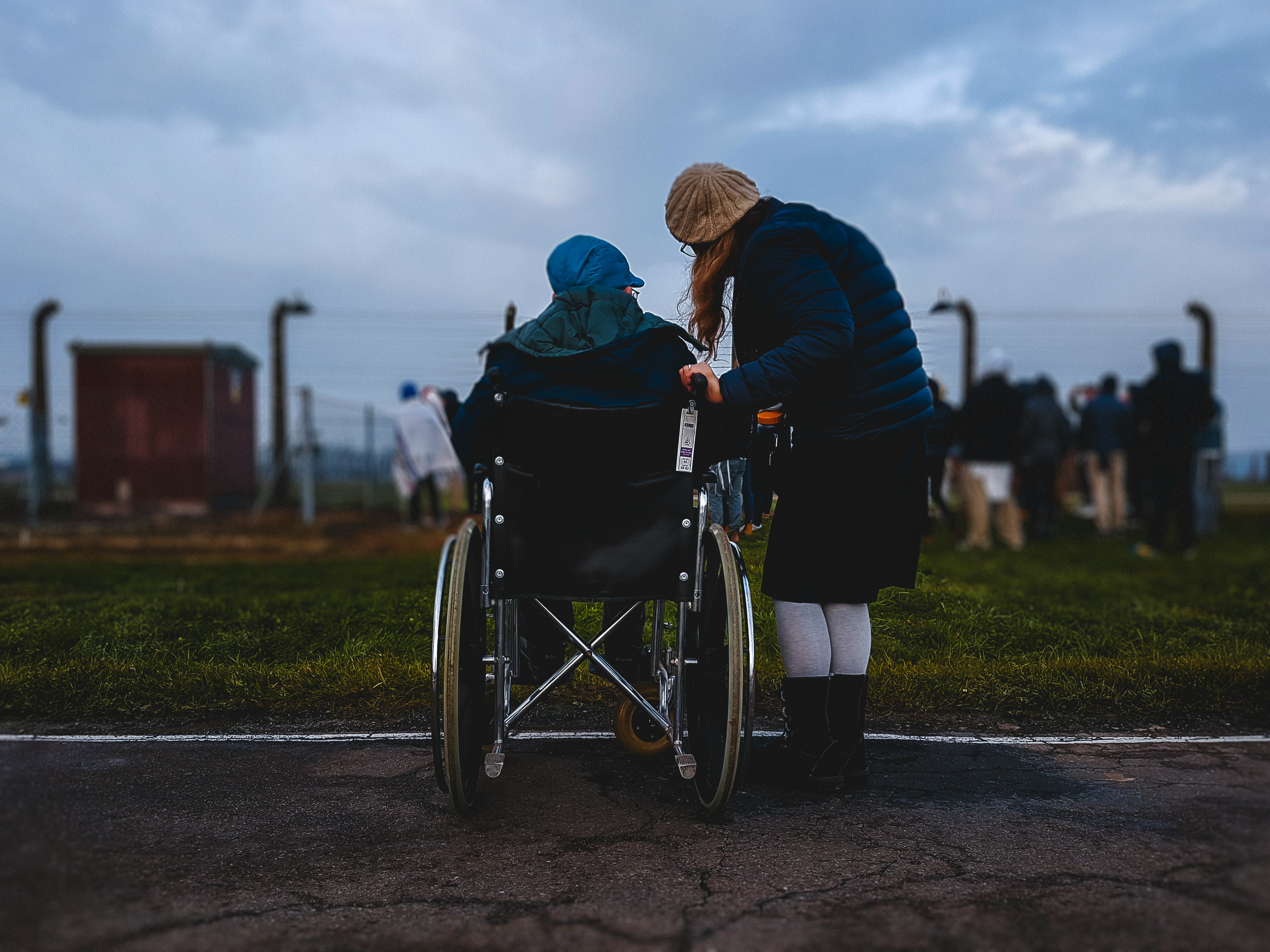
Caregivers and support networks are essential in helping individuals with disabilities maintain proper nutrition and overall well-being. They assist with meal planning, grocery shopping, and food preparation, ensuring dietary needs are met. Tenura products, like Cup Holders and Cutlery Grips, can further support caregivers by simplifying tasks and promoting safe, efficient assistance. Encouraging adaptive tools fosters greater independence, allowing individuals to participate actively in their meals where possible. A strong support network also provides emotional encouragement, helping to establish positive, sustainable eating habits.
To conclude...
Nutrition in the context of disability is about more than food; it’s about creating systems and environments that enable health, independence, and dignity. With the right tools, strategies, and support, individuals with disabilities can overcome barriers to good nutrition and enjoy a higher quality of life. Together, we can ensure everyone has access to the resources they need to thrive—because good nutrition should be accessible to all.