
Occupational Therapists (OTs) help people manage the everyday activities that matter to them - safely, confidently, and as independently as possible. For older adults, people with disabilities, individuals recovering from injury, and those living with reduced strength or coordination, small environmental changes can make a significant difference.
Non-slip mats, grips, liners and strips may look basic, but they address a major practical problem: many daily tasks involve controlling objects that can move, slide, tilt, spill, or become difficult to hold. When dexterity is reduced, these small movements can create real safety risks.
That is why OTs frequently recommend non-slip materials as part of home safety, fall prevention, rehabilitation, and independent living strategies.
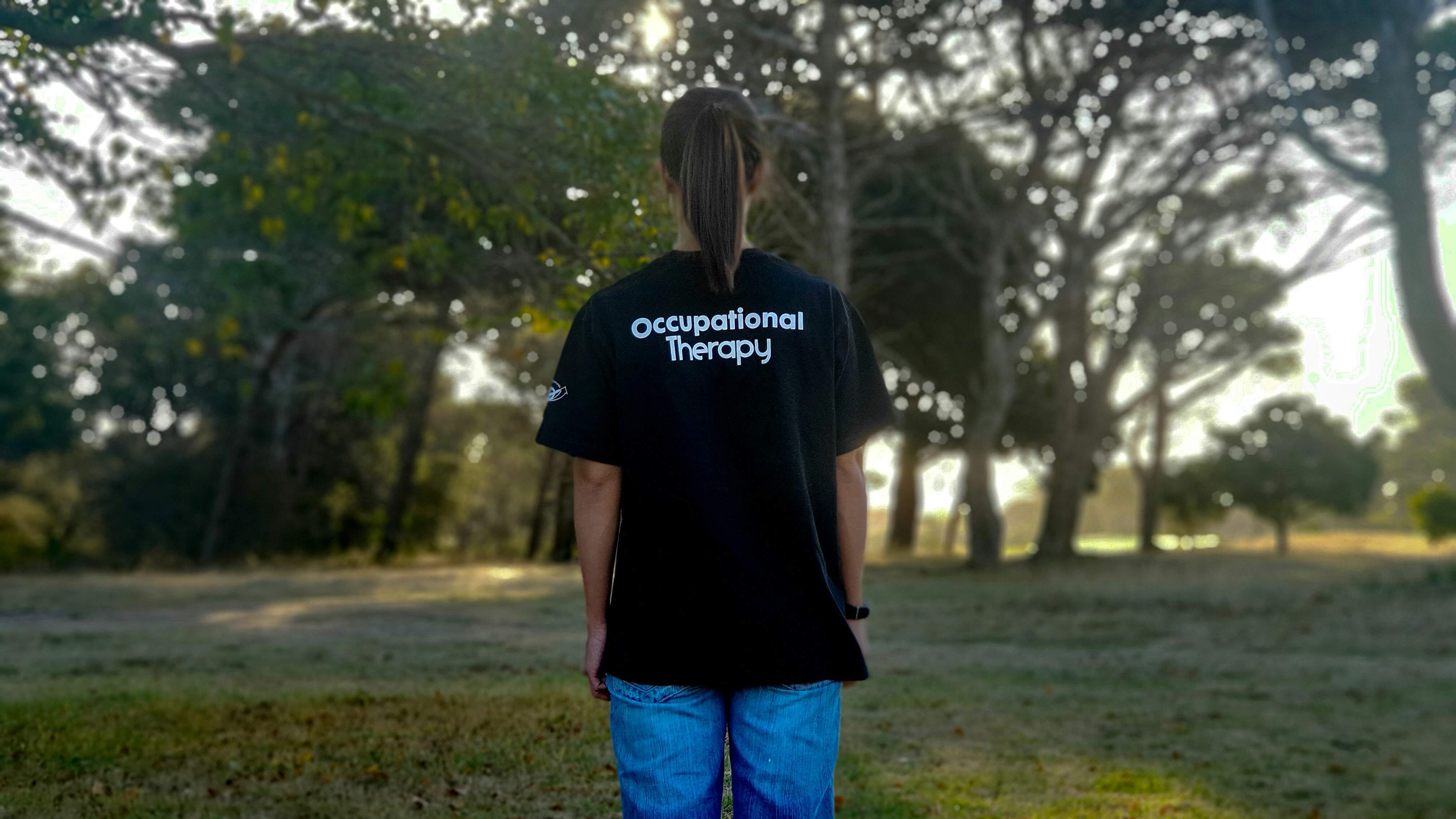
Falls Prevention: A Major Reason Behind OT Recommendations
Falls are not a minor issue. The World Health Organisation identifies falls as the second leading cause of unintentional injury deaths worldwide, with an estimated 684,000 deaths each year. Around 37.3 million falls are severe enough to require medical attention annually. Older adults are especially vulnerable. In the United States, the CDC reports that more than 14 million adults aged 65 and over - around one in four - report falling each year. Of those who fall, approximately 37% report an injury requiring medical treatment or restricting activity for at least one day.
Many falls happen in familiar settings, particularly the home. Kitchens, bathrooms, bedrooms, hallways, and living areas all contain everyday hazards, not to mention wet floors, loose mats, unstable objects, clutter, poor lighting, and surfaces that lack sufficient grip. For Occupational Therapists, this makes the home environment a key part of fall prevention. Rather than focusing only on the person’s physical ability, OTs also examine how the environment supports or undermines safe activity.
The OT Approach: Change the Task, the Person, or the Environment
Occupational therapy is practical by nature. When a person struggles with an activity, an OT considers several questions:
Can the task be done differently?
Can the person be supported through rehabilitation, strengthening, or education?
Can the environment be adapted to make the activity safer or easier?
Non-slip materials fit directly into this approach because they modify the environment without requiring major building work, complex equipment, or extensive training. This is why non-slip aids are often recommended for people with arthritis, stroke-related weakness, Parkinson’s disease, reduced grip strength, tremor, poor coordination, fatigue, visual impairment, or general age-related decline.
Why Non-Slip Materials Matter in Daily Living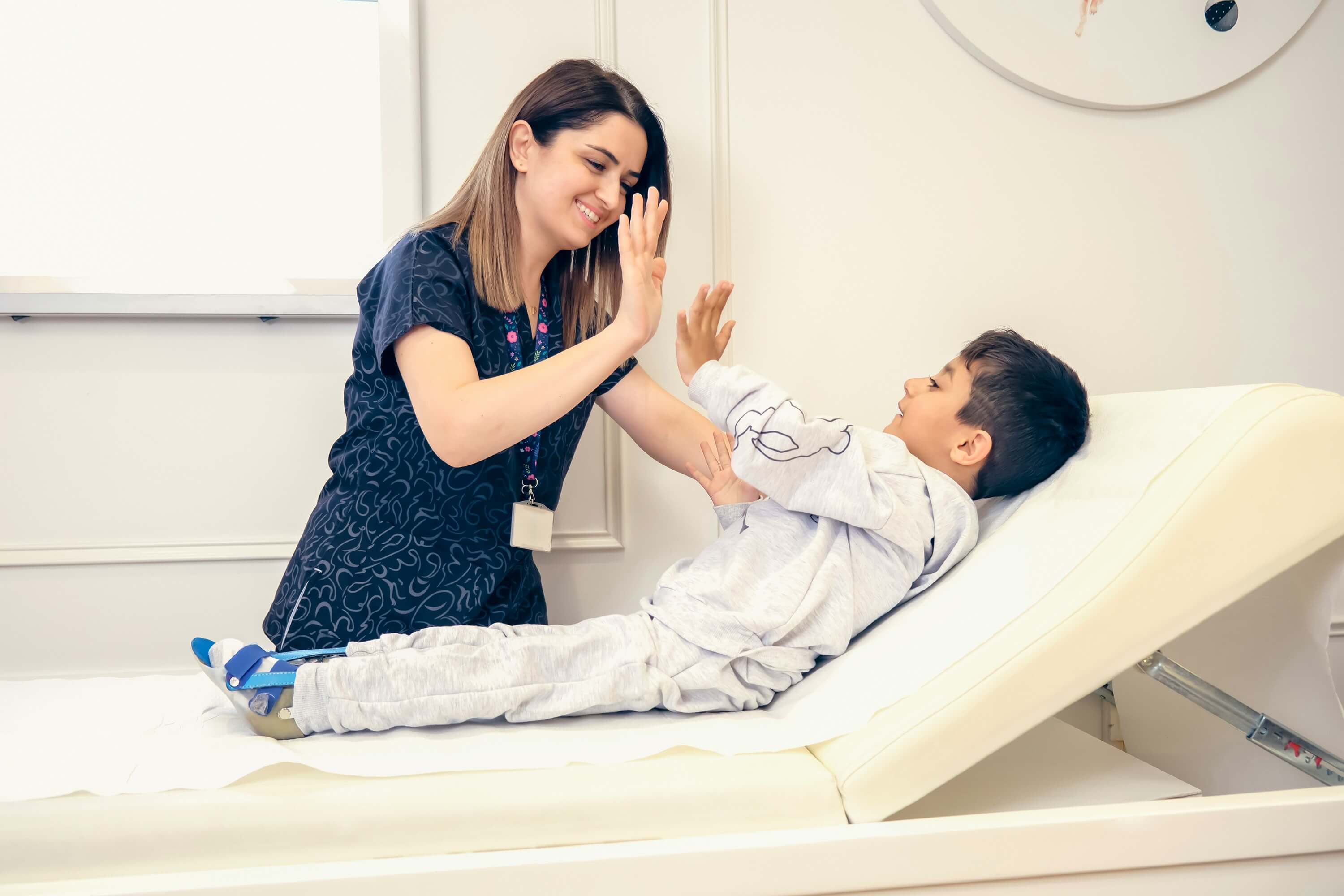
Non-slip materials are not only about preventing dramatic accidents. They also reduce small, repeated frustrations that can make daily life harder.
A cup that slides.
A plate that rotates.
A utensil that is difficult to control.
A bowl that moves while mixing.
A tray that feels unstable.
A walking aid handle that feels insecure.
For someone with full strength and coordination, these may be minor inconveniences. For someone with reduced hand function, they can be the difference between completing a task independently and needing assistance.
Key Reasons Occupational Therapists Recommend Non-Slip Materials
They Reduce Unwanted Movement - Many daily activities require one object to remain still while another action is performed. Cutting food, opening containers, writing, eating, mixing, washing, or transferring items all rely on stability. Non-slip materials increase friction between surfaces, helping objects stay in place. This can reduce the need for excessive gripping, bracing, or awkward body positioning.
They Support One-Handed Techniques - After a stroke, injury, surgery, or amputation, a person may need to complete tasks using one hand. Non-slip mats and stabilising surfaces can make one-handed eating, food preparation, grooming, and household activities more achievable. For example, a non-slip mat beneath a plate can help prevent it from sliding while the user cuts food with one hand. This is a simple adaptation, but it can significantly improve independence.
They Reduce Strain on Painful or Weak Joints - People with arthritis, reduced grip strength, or hand pain often compensate by gripping harder. This can increase fatigue and discomfort. Non-slip materials allow objects to be held, opened, or stabilised with less force. This can make daily tasks more comfortable and reduce the physical effort required.
They Improve Confidence - Fear of falling or dropping objects can lead people to avoid activities. Avoidance then reduces independence and can increase reliance on carers. A stable plate, secure mat, safer tray, or improved grip can help someone feel more in control. In occupational therapy, confidence is not a secondary benefit - it often determines whether a person continues to participate in daily activities.
They Help Reduce Caregiver Dependence - When a person can safely eat, prepare food, organise items, or manage basic household tasks with less assistance, this supports dignity and autonomy. It can also reduce the physical and time burden on family members, carers, and care staff.
Evidence Behind Home Safety Interventions
Non-slip materials are part of a wider evidence-based approach to home safety and falls prevention. NICE guidance on falls assessment and prevention recommends home hazard assessment and intervention for people at risk, and states that this may be carried out by an Occupational Therapist. Cochrane evidence also indicates that home safety interventions can reduce falls, particularly for people at higher risk and when delivered by Occupational Therapists.
These interventions may include: Assessing the home for hazards, improving lighting and layout, removing or securing trip hazards, recommending assistive equipment, advising on safer movement strategies, supporting behaviour changes and adding non-slip products where appropriate
Non-slip materials are not a complete falls prevention strategy on their own. They are most effective when used as part of a wider assessment that considers the person, the task, and the environment.
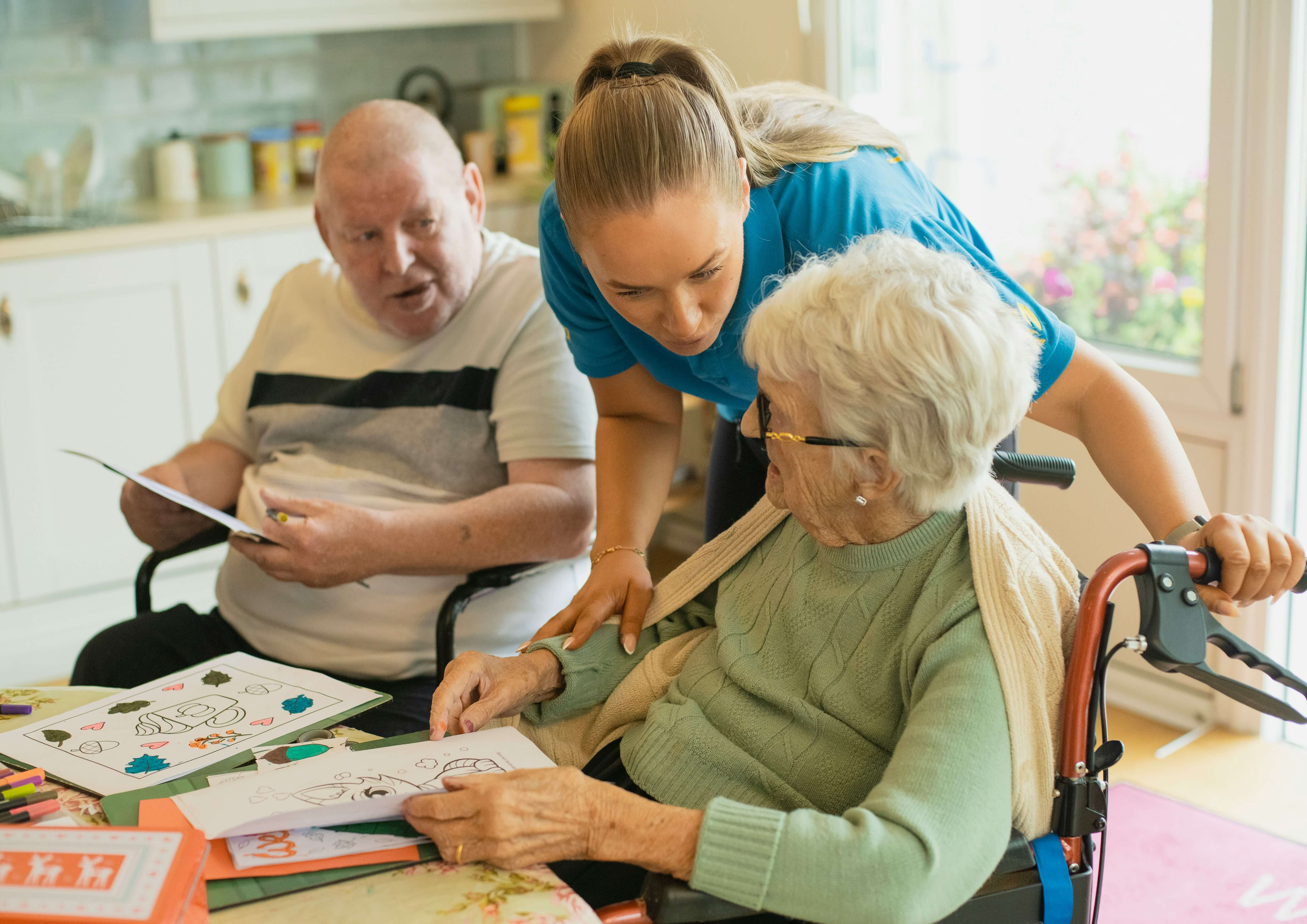 Why OTs Value Simple Interventions
In occupational therapy, the most effective solution is not always the most complex one. OTs often prioritise interventions that are practical, affordable, safe, and easy to adopt.
Non-slip materials are valued because they are:
Quick to introduce.
Easy to understand.
Suitable for many different tasks.
Often portable.
Useful in both short-term rehabilitation and long-term care.
Low cost compared with structural home adaptations.
Compatible with broader falls prevention planning.
This makes them especially useful in community care, hospital discharge planning, rehabilitation programmes, care homes, and everyday home adaptations.
The Bigger Picture: Independence Through Environmental Design
A key principle of occupational therapy is that disability is not only caused by a person’s condition. It is also shaped by the environment around them.
A person with reduced grip may struggle with a smooth plastic cup, but manage well with a cup placed on a non-slip mat.
A person with one functional hand may struggle to prepare food on a moving chopping board, but succeed when the board is stabilised.
A person with low confidence after a fall may avoid activity, but regain independence when their home feels safer and more predictable.
This is the value of non-slip materials. They reduce the gap between a person’s abilities and the demands of the task.
Occupational Therapists recommend non-slip materials because they solve practical problems that affect safety, independence, and confidence in daily life. They help stabilise objects, reduce unwanted movement, support one-handed techniques, compensate for reduced grip or coordination, and contribute to safer home environments. Evidence from falls prevention research supports the value of home safety interventions, particularly when they are targeted to the individual and guided by occupational therapy assessment.
Non-slip materials are simple, but their impact can be meaningful. In many cases, a small improvement in stability can help someone continue eating, cooking, washing, moving, and living with greater independence.
That is occupational therapy at its most effective: practical changes that make everyday life safer, easier, and more manageable.