Tenura Blog
Celebrating Strength and Independence: The Paralympic Winter Games
Today, March 6th, 2026, marks the start of the 2026 Winter Paralympic Games — an inspiring showcase of determination, skill, and resilience. Athletes from around the world are demonstrating what’s possible when talent, innovation, and confidence come together.
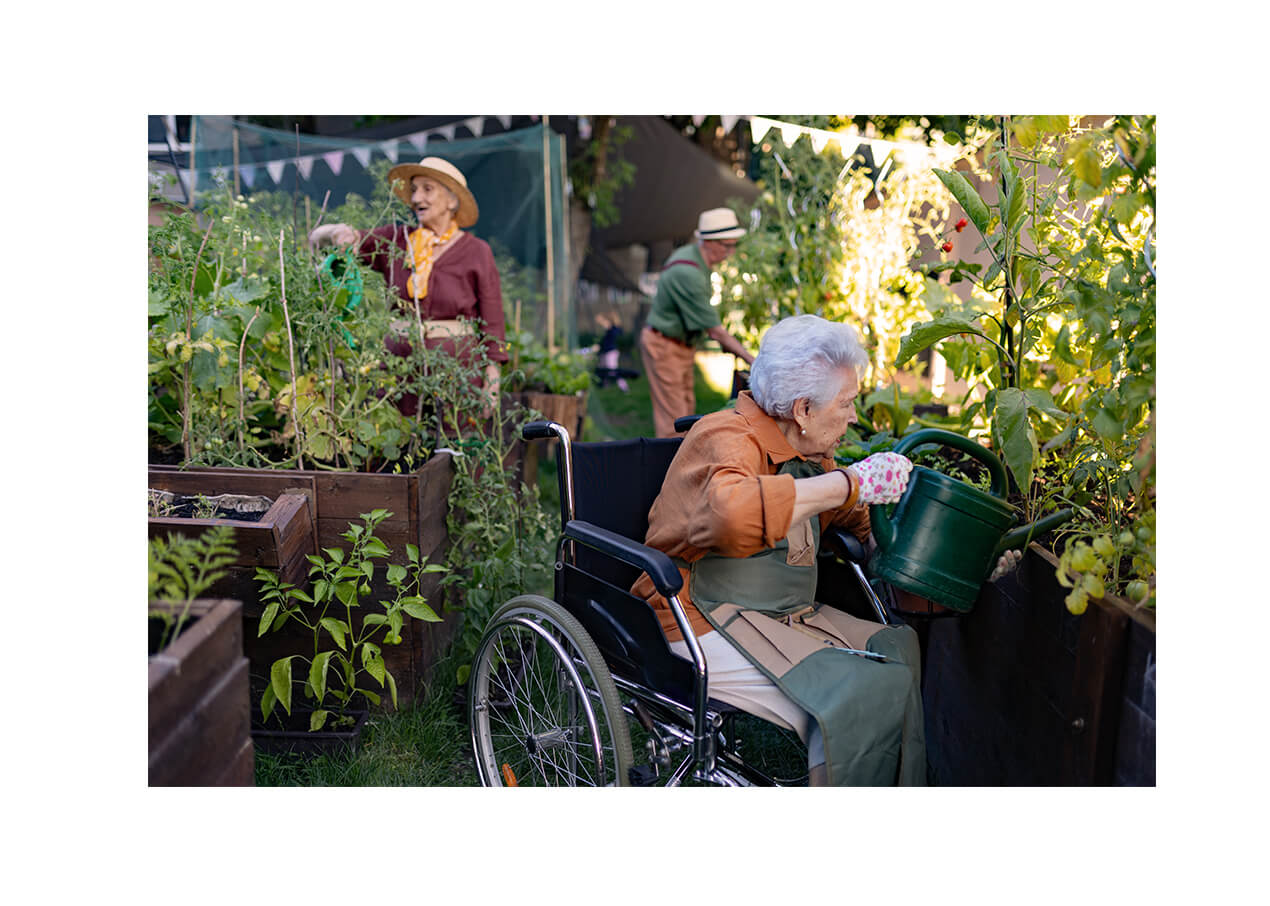
The Paralympics are a celebration of ability, not limitation. They show that with the right support, people can achieve incredible things — on the slopes, on the ice, and in everyday life. At Tenura, we see the same principle in the home: independence is about empowering people to do what they love, comfortably and confidently.
Independence Through Innovation
Paralympic athletes rely on specially designed equipment — sit-skis, prosthetics, sledges, and adaptive poles — to compete at the highest level. These innovations allow them to turn challenges into achievements, combining skill, determination, and smart design.
Similarly, assistive products for daily life are small innovations that help people perform everyday tasks with confidence. Just as adaptive sports equipment enables athletes to excel, thoughtfully designed home aids empower people to maintain independence and enjoy daily activities fully.
Finding Joy in Every Action
One of the most uplifting aspects of the Paralympics is the sheer joy on display. Athletes celebrate every run down the slope, every goal on the ice, every turn on the snowboard. Their enthusiasm reminds us that independence isn’t just practical — it’s joyful.
In our homes, the same joy can be found when tasks feel easy, secure, and under control. A stable grip, a non-slip mat, or a simple assistive tool can transform an everyday activity into a moment of confidence and satisfaction.
Inspiration Beyond the Arena
The Paralympics show that independence is limitless when combined with determination and support. This message resonates beyond sport: whether someone is cooking, crafting, or exploring the outdoors, independence comes from knowing that tools and environments are designed with their abilities in mind.
Every Paralympic athlete exemplifies this. Their courage and creativity inspire millions to approach life with the same energy, adaptability, and positivity.
Uplifting Independence in Everyday Life
At Tenura, we celebrate independence through products that enhance grip, stability, and control. Simple adjustments in the home can empower people to live fully and confidently. When people feel capable, everyday life becomes more vibrant, engaging, and joyful.
Just as the Paralympians inspire the world on the slopes, so too can everyday independence inspire confidence and happiness at home. Every action completed confidently is a reminder that independence is possible, empowering, and uplifting.
Digital Literacy and the Elderly
As society accelerates into the digital age, a growing share of the population struggles to keep pace. Adults over 65 represent one of the fastest-growing demographics worldwide, yet surveys consistently show that many feel uncertain about basic online tasks. Approximately 77% to 93% of adults aged 65 and over own a smartphone as of 2024-2025, representing a dramatic increase in adoption. However, 46% report feeling uncomfortable navigating websites or apps, and nearly half avoid online services altogether due to fear of scams or confusion over interfaces. For these individuals, technology is a barrier to independence, safety, and meaningful connection.
The consequences of this digital gap are tangible. Telehealth services, which became essential during the COVID-19 pandemic, remain a primary mode of healthcare access for millions. Seniors unable to use these platforms may delay care, miss appointments, or fail to access critical resources, exacerbating health disparities. Financial independence is similarly threatened. As banking, utility management, and government services shift online, older adults without digital skills risk becoming dependent on family members or vulnerable to fraud. Social isolation, already a documented risk factor for depression and cognitive decline, is worsened when communication channels are limited to in-person interactions that may be infrequent. In essence, the digital divide is not an abstract problem—it is a structural barrier that affects well-being, autonomy, and safety.
The challenges seniors face with digital tools are well understood but often ignored in mainstream technology design. Many encounter devices that are unintuitive, cluttered, or physically difficult to use. Security concerns and the pervasive threat of online scams discourage engagement, while the lack of patient, structured instruction creates a cycle of avoidance and anxiety. Despite these obstacles, evidence demonstrates that with support, seniors can not only adopt technology but thrive with it. Programs such as Cyber-Seniors and Tech Life Unity, along with local community workshops, show significant improvements in confidence and skill when older learners are given instruction tailored to their pace and concerns. Intergenerational mentorship, where younger volunteers guide seniors, also proves effective, offering both technical guidance and social reinforcement.
Digital literacy for the elderly is not simply a matter of convenience; it is a question of independence, equity, and dignity. Many older adults do not know what questions to ask or where to begin, and without guidance, they risk being left behind in an increasingly connected world. Families and carers play a crucial role in bridging this gap by starting with what matters most to the individual: access to healthcare, communication with loved ones, financial management, and engagement with community resources. Learning becomes meaningful when it addresses these real-life needs rather than abstract technical skills. Education in this context must be patient, incremental, and supportive, allowing the elderly to practice new tasks repeatedly until confidence grows. Tools and devices should be chosen with accessibility in mind, including larger text, simplified interfaces, and voice-assisted functions, which reduce frustration and encourage experimentation. Beyond technical proficiency, they require guidance on safety and privacy practices, gradually learning to recognise scams, manage passwords, and navigate online interactions securely. Equally important is the social dimension of learning: intergenerational teaching, community workshops, and peer-led programs reinforce skills while fostering connection and reassurance, ensuring the elderly feel supported rather than isolated in their efforts. By translating technology into practical benefits—such as telehealth appointments, video calls with family, online bill management, or the digitisation of family memories—carers and families demonstrate the relevance of digital skills to daily life. Advocacy extends beyond the household as well, calling for public programs, inclusive design standards, and accessible resources that empower older adults to engage fully with the digital world. When education, support, and advocacy converge, they are not simply taught to use devices; they are equipped to navigate technology confidently, preserve autonomy, and maintain meaningful participation in modern society. Digital literacy, in this sense, is a matter of social responsibility, ensuring that the elderly are neither excluded nor disempowered but can access the tools they need to live with independence, security, and dignity.
Home Canning With Arthritis Made Easier Using Jar Openers
The kitchen has always been a place of creativity, comfort, and independence. There is a kind of joy that comes from creating something with your own hands. But as our bodies change, simple tasks like opening a jar can become more challenging. Reduced grip strength, stiff joints, or limited mobility can make what once was effortless suddenly tricky.
Glass jars play a starring role in this. Unlike cans, jars are reusable, easy to see into, and perfect for storing everything from tangy pickles to rich, homemade sauces. They’re practical, sustainable, and a delight to handle - but they can also be stubborn. That twist-off lid, tight and smooth, can test even the strongest hands. And for anyone living with arthritis or reduced grip strength, jars can sometimes feel like more of a challenge than a convenience.
Caregivers often notice this struggle too. It’s natural to want to step in and help, but many people treasure the ability to remain independent in the kitchen. Recognising these small challenges doesn’t mean giving up; it simply opens the door to solutions that make canning accessible to everyone.
Simple adjustments can make a big difference. Warming a lid slightly, using a stable surface for leverage, or leaning into a twist rather than relying solely on hand strength are all ways to make the process easier. And there’s no need to stop there—purpose-designed tools like ergonomic jar openers can help turn a frustrating task into a seamless part of your routine. These aren’t gadgets meant to do the work for you; they’re tools that give you back confidence, control, and comfort. With a little support, jars that once felt impossible to open become manageable, allowing you to enjoy the process rather than dreading it.
Safety and comfort go hand in hand with independence. A secure grip reduces the risk of slips and dropped jars, helping to protect your hands and wrists while you work. Tools designed with accessibility in mind support safer routines, letting you focus on the joy of cooking and preserving without strain. In this way, the right design choices allow you to continue doing what you love, comfortably and safely.
Ultimately, the beauty of home canning is that it lets you reconnect with familiar kitchen routines and create new memories along the way. Sharing your homemade pickles with friends, experimenting with new recipes, or simply enjoying the satisfaction of self-sufficiency—these experiences remain fully within reach, even if your hands feel a little weaker than they once did. With a thoughtful approach and the right supportive tools, independence, accessibility, and safety can coexist beautifully in your kitchen.
Rediscover the pleasure of home canning, one jar at a time, and enjoy the confidence that comes from doing it yourself—safely, comfortably, and joyfully.
Wishing You a Merry Christmas & Thank You for a Wonderful Year
As the festive season approaches and the year comes to a close, all of us at Tenura would like to take a moment to reflect on what has been a truly special year.
2025 has been filled with growth, progress, and continued opportunities to support our customers and partners. We are sincerely grateful for your ongoing trust and support, which remain central to everything we do. Your commitment to improving everyday accessibility, alongside our products and solutions, continues to motivate and inspire our team as we move forward together.
As we prepare to welcome 2026, we would like to share our Christmas and New Year opening hours so you can plan accordingly.
Christmas & New Year Opening Hours
- Wednesday 24 December: Open from 8:00am to 12:30pm
-
Thursday 25 December (Christmas Day): Closed
-
Friday 26 December (Boxing Day): Closed
-
Monday 29 – Wednesday 31 December: Operating with limited staff
-
Thursday 1 January (New Year’s Day): Closed
-
Friday 2 January: Closed
Normal operations will resume following this period. Please note that response times may be slightly longer during days with limited staffing, and we appreciate your patience.
From everyone at Tenura, we wish you a very Merry Christmas and a happy, healthy New Year. We look forward to continuing our work together in 2026 and building on the successes of the year gone by.
Thank you for being part of the Tenura journey and for another wonderful year.
Celebrating 2025
A Year of Progress in Occupational Therapy, Physiotherapy & Disability Support
As we near the end of 2025, this is the perfect moment to reflect on the remarkable progress made across the occupational therapy (OT), physiotherapy (PT), assistive technology and disability-support sectors throughout this year.
Across the UK (and around the world), thousands of dedicated professionals worked tirelessly to improve accessibility, independence, and quality of life for people with disabilities. These individuals and organisations deserve to be celebrated for their commitment, compassion and innovation.
Below, we highlight some of the most inspiring achievements of the past year.
1. Dr Rob Brooks, RCOT Merit Award 2025
This year, the Royal College of Occupational Therapists awarded Dr Rob Brooks a prestigious RCOT Merit Award, recognising more than 25 years of leadership, education, and service to the OT profession.
Dr Brooks has shaped the next generation of therapists through his academic work, contributed to national professional development standards, and championed high-quality rehabilitation services across the UK.
Source: University of Bradford (Jan 2025)
2. Matthew Low, NHS England AHP Gold Award
Consultant physiotherapist Matthew Low received one of the highest honours in UK allied health: the Chief Allied Health Professions Officer (CAHPO) Gold Award.
His work in musculoskeletal physiotherapy, research, and clinical leadership has been widely acknowledged as helping to modernise PT practice and improve outcomes for patients within the NHS.
Source: University Hospitals Dorset NHS Foundation Trust (2024–2025)
3. Sport for Confidence CIC — Excellence in Emerging Roles
2025 saw continued recognition for Sport for Confidence CIC, an innovative organisation embedding occupational therapists within leisure centres and community sport settings.
Their work has supported people with disabilities, learning differences and mental health needs to access physical activity safely and confidently; demonstrating a groundbreaking new model for preventive, community-based rehabilitation.
Their Excellence in Emerging Roles Award highlighted just how vital OT is becoming in non-traditional environments.
Source: RCOT Specialist Sections & UK press coverage (2024–2025)
4. Significant Strides in UK Accessibility and Mobility
The UK saw significant accessibility improvements throughout 2025, led by collaborations between councils, disability charities and public-transport bodies.
Notable examples include:
- RNIB-supported upgrades to tactile paving, audio wayfinding, and digital accessibility across multiple cities.
- Growing adoption of inclusive-design standards across public buildings and transport infrastructure.
- Expansion of training programmes for public-facing staff to better support people with vision loss, mobility needs and sensory differences.
These changes demonstrate the significant progress that can be achieved when experience, policy, and frontline practitioners collaborate.
Source: RNIB UK (2024–2025 updates)
Global Highlights of 2025
While the UK’s achievements were outstanding, significant breakthroughs worldwide also pushed the boundaries of what is possible in rehabilitation and disability support.
5. AOTF 2025 Research Award Recipients (USA)
Each year, the American Occupational Therapy Foundation recognises leading researchers who are advancing the science of occupation, participation and rehabilitation.
The 2025 awardees contributed groundbreaking work in sensory processing, disability participation, stroke rehabilitation and neurodivergent-affirming practice. Their dedication continues to raise global research standards and shape evidence-based approaches for therapists everywhere.
Source: AOTF (2025 Research Awards)
6. WHO Rehabilitation 2030 — 2025 Global Progress Report
The World Health Organisation continued its mission to scale global access to assistive technology and rehabilitation. The 2025 progress update highlighted:
- wider distribution of low-cost mobility aids and adaptive devices,
- expansion of AT training in low-resource regions
And…
- new frameworks for strengthening national rehab systems worldwide.
This global work ensures that rehabilitation is recognised as an essential part of universal health coverage.
Source: WHO Rehabilitation 2030 Programme (2025)
7. Advances in Assistive Technology (AT) in 2025
2025 saw impressive international innovation in accessibility and assistive devices, including:
- AI-assisted mobility support tools,
- improved prosthetic limb technologies,
- next-generation wheelchairs with enhanced terrain-adaptability,
- and more innovative home-based adaptive products for people with limited grip, strength or mobility.
These breakthroughs continue to shape the future of independent living.
Source: Global Disability Innovation Hub (2024–2025 reports)
Why These Achievements Matter
Every therapist, researcher, designer, and support professional plays a role in empowering people with disabilities to lead independent, safe and fulfilling lives.
At Tenura, these accomplishments inspire us to continue creating practical and reliable disability-aid solutions that help people overcome daily life's barriers.
Looking Ahead to 2026
As we move into the new year, we celebrate the progress made in 2025 and look forward to more advancements in rehabilitation, assistive technology and inclusive design.
To all OTs, PTs, rehabilitation teams, support workers, and innovators... Thank you.
Your work changes lives every single day.
Healthy Eating and Making Things Easier in the Kitchen
Maintaining Health, Independence, and Confidence in the Kitchen
The kitchen is often called the heart of the home, a cosy space for comfort, creativity, and connection. However, for people living with arthritis, mobility challenges, or a disability, everyday kitchen tasks can sometimes seem more like obstacles than sources of joy.
The good news? With a few clever adaptations, thoughtful planning, and supportive products (like our non-slip range), you can bring back pleasure, safety, and independence into your cooking routine.
Cooking with Confidence
According to Arthritis UK in their article “Arthritis and kitchen hacks: Easy ways to eat well” (2021), preparing meals doesn’t have to be tiring.
The first step is organisation. Keep frequently used ingredients and utensils at waist height to prevent bending or stretching. Where possible, sit down to prepare food, saving energy and easing strain on your joints.
If keeping items stable while chopping or mixing is a challenge, Tenura non-slip mats and anti-slip coasters can hold everything securely. This allows you to concentrate on the recipe rather than the difficulty, making cooking safer and more enjoyable.
Independence in the kitchen often comes from minor environmental adjustments, such as swapping heavy cookware for lightweight pans, using slow cookers to minimise standing time, or adding Tenura anti-slip floor stickers near your sink or stove can make a significant difference. These subtle changes rebuild confidence, lower risks, and help you rediscover freedom in your own home.
Healthy Eating and Disability
A nutritious diet is essential for maintaining independence, energy, and wellbeing. For individuals with limited mobility, carrying extra weight can increase joint pain, cause fatigue, and even impact mental health and motivation. However, eating healthily doesn’t have to be complicated — it’s all about balance, preparation, and accessibility.
Cooking at home lets you control ingredients and portion sizes, something strongly encouraged by Arthritis UK. With Tenura’s non-slip mats, grips, and stabilising aids, everyday cooking becomes safer and easier. When utensils, bowls, and pans stay steady, you save energy and maintain consistency - both essential for a sustainable, healthy diet.
Batch cooking is an excellent way to simplify healthy eating. On days when you have more energy, prepare simple, nutritious dishes such as soups, stews, or salads, then freeze portions for later. Using aids like kettle tippers, ergonomic cutlery, and jar openers can make meal prep much less daunting, especially if you experience fatigue or joint pain.
For more practical tips, Arthritis UK shares guidance on simple kitchen hacks for eating well, this article provides excellent insights for making healthy eating more accessible.
Setting Yourself Up for Success
Preparation is key. Stock your cupboards with essentials, use frozen or pre-chopped vegetables to save time and effort, and keep your workspace organised so you don’t need to move around too much.
Practical steps include:
- Keep commonly used items within easy reach to avoid bending or stretching.
- Use lightweight or double-handled cookware to reduce strain.
- Create a comfortable work zone where you can sit or stand safely.
- Use Tenura’s non-slip mats under bowls and boards, and anti-slip trays or coasters to prevent spills.
Good lighting, clear work surfaces, and simple meal plans can also significantly enhance the ease and enjoyment of cooking.
Bringing Joy Back into the Kitchen
Living with a disability doesn’t mean giving up your independence or your love of cooking; it simply involves adapting your space to suit you.
At Tenura, we believe that safety, comfort, and confidence are inextricably linked. Whether you’re preparing a hearty meal, carrying a hot drink, or simply enjoying breakfast, our non-slip products are designed to support your independence and well-being.
Next time you’re in the kitchen, take a moment to look around! Perhaps your chopping board could use some extra grip, or your floor might benefit from improved traction. Small tweaks can significantly enhance your safety, comfort, and enjoyment.
After all, the best recipes aren’t just about the ingredients — they’re about confidence, comfort, and a dash of independence.
How to Stay Safe During a Fire When Living with a Disability
Fire safety is essential for everyone, but for people living with disabilities, it can present unique challenges. Mobility issues, sensory impairments, or cognitive conditions may make it harder to detect a fire, react quickly, or evacuate safely.
Fortunately, with the proper planning and equipment, it’s possible to stay safe and maintain independence. In this blog, we’ll explore practical steps and valuable resources to help you prepare, stay calm, and act effectively during a fire, all while utilising accessible aids and products designed to support safety at home.
Planning Ahead
The best way to stay safe during a fire is to prepare in advance. The London Fire Brigade and Fire England recommend creating a Personal Emergency Evacuation Plan (PEEP). This is a customised plan that considers your mobility, communication needs, and home layout.
Here's what you can include…
- Identify escape routes: Keep them clear of obstacles and ensure they are suitable for mobility aids or wheelchairs.
- Install smoke alarms: For those with hearing impairments, use alarms with strobe lights or vibrating pads that can wake you during the night (as recommended by Tyne & Wear Fire and Rescue).
- Practice your plan regularly: Rehearsing your escape builds confidence and ensures everyone in the household knows what to do.
- Inform your local fire service: Many UK fire services offer free home safety visits and can provide tailored recommendations based on your needs.
- The GOV.UK fire safety guidance also emphasises the importance of keeping a phone nearby your bed and ensuring your address and contact details are easily accessible in an emergency.
Staying Safe
If a fire does occur, the most important thing is to stay calm and act quickly.
Get out, stay out, call 999 (if you can safely do so)
If you can't evacuate, move to a safe room (preferably near a window) and block smoke by placing towels or a blanket down around the door.
Call for help immediately and let the operator know you have a disability so the emergency responder can plan their approach.
For individuals with mobility impairments, keep mobility aids such as wheelchairs, walking frames, or transfer boards readily available at all times.
For those with visual impairments, practice navigating escape routes by touch, as advised by GOV.UK’s fire safety for people with sight difficulties.
Remember – Never try to tackle fire yourself. Getting yourself to safety is always the priority.
Community and Support
You don’t have to manage fire safety on your own. Most fire and rescue services across the UK offer free home fire Safety visits for people with disabilities, where they can access your home and install specialist alarms or devices. Organisations such as the London Fire Brigade, Tyne & Wear Fire & Rescue, and Fire England all encourage residents to register with their local fire service if they have additional needs, ensuring emergency responders know how to assist you in a fire.
Additionally, local councils and disability charities often have resources and checklists to help you prepare. Having a trusted neighbour, carer, or friend who knows your escape plan can also be invaluable.
To Conclude...
Fire safety doesn't have to compromise independence. By taking proactive steps (planning ahead, adapting your home and using assistive products), you can create a safer, more accessible living environment.
With preparation, support and awareness, everyone can feel secure and confident in their ability to stay safe during a fire.
Links:
The London Fire Brigade offers a free home fire safety visit. Visits can be arranged at any time (24/7), and specialist alarms can also be fitted – for example, strobe light and vibrating pad alarms for individuals who are deaf or hard of hearing.
https://www.london-fire.gov.uk/safety/the-home/home-fire-safety-visits/
Or you can use the Home Fire Safety Checker, provided by the London Fire Brigade. It only takes a few minutes and will provide you with tailored advice on the safety of your home.
https://www.london-fire.gov.uk/safety/the-home/home-fire-safety/home-fire-safety-checker-hfsc/
Information about fire safety for Carers https://fireengland.uk/fire-safety/fire-safety-carers
Creative Ways to Use Tenura Grip Strips
At Tenura, we know grip strips are the go-to solution for improving stability and preventing slips in various environments. Traditionally, they’re used to anchor items in place, from securing a cutting board in the kitchen to preventing tools from slipping on workbenches. But what if we told you that is merely scratching the surface of creative possibilities?
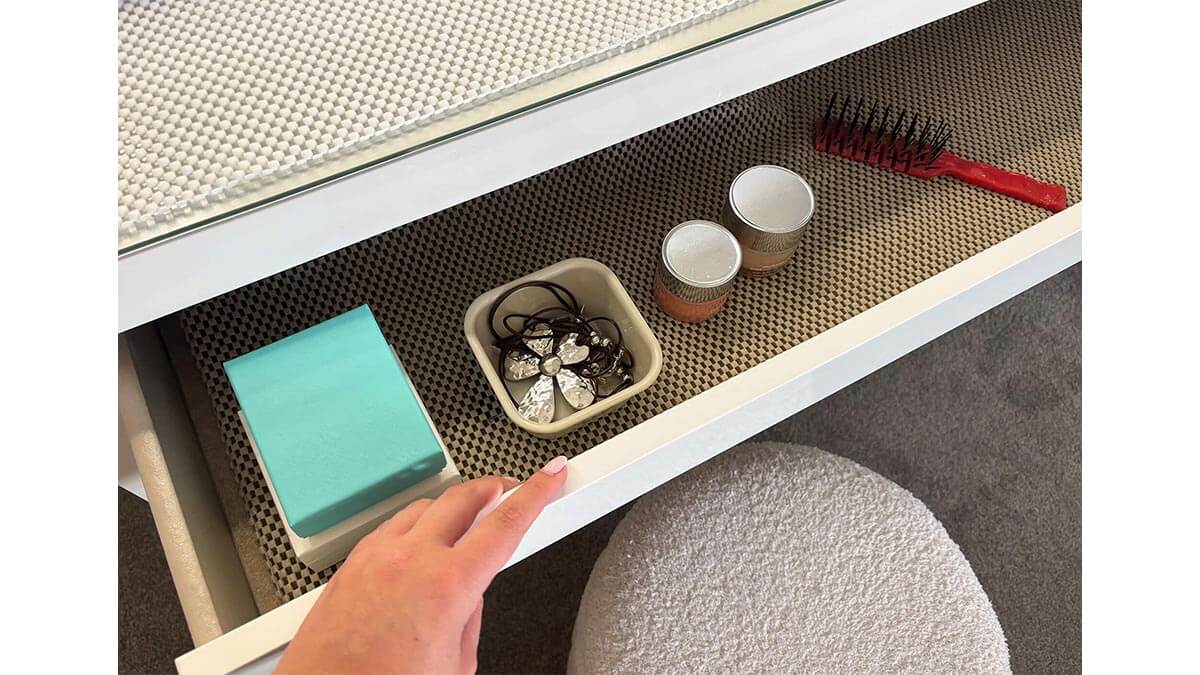
Grip strips are more versatile than you might think. Their flexible, tacky, non-slip design opens the door to various imaginative (and genuinely helpful) alternative applications. Not to mention they are cut to size! This leaves so many possibilities open for you to get creative! On that note, let’s dive into some clever ways to use your Grip strips in everyday life, many of which may surprise you!
No more Slippery Specs
It is a universal experience to get frustrated with your glasses sliding down your nose every 5 seconds; it's time for a solution. Cut a small piece of the grip strip and stick it to the inner side of the arms (behind your ears). It's discreet, comfortable, and adds just the right amount of friction to keep your specs in place!
DIY Wind Blocker (for Microphones)
Need to do a bit of on-the-go recording, but don’t have a windscreen for your mic? Wrap a grip strip loosely around the head of your microphone. The porous, rubbery texture can act as a makeshift wind blocker, muffling harsh wind sounds while improving grip during handheld use (it’s a win-win!)
Ergonomic Pen or Pencil Grips
If you struggle with hand fatigue while writing or drawing, this is for you! Wrap a small trip around your pen or pencil to instantly create a soft, grippy surface. Ideal for people with arthritis, children learning to write, or anyone who appreciates a more comfortable, non-slip hold.
Game Controller Enhancer
Rotting on your game for long hours? Stick some strips to the back of your controller to reduce slip from sweaty hands. Bonus: It gives the controller a soft cushion feeling, enhancing comfort during marathon sessions and reducing the risk of moulding your hands to the controller!
Anti-Slip Mug Band
Create a custom anti-slip band for your coffee mug! Wrap a gip strip around the body of your mug to prevent it from slipping out of your hands, perfect for seniors, kids, or anyone with dexterity challenges.
Heel and Toe Pad grip for Shoes
Stick Grip strips inside your heels or under the toe box for added traction. It’s a brilliant solution for people whose shoes don’t fit quite snugly and those looking to avoid blisters caused by excessive sliding.
Non-slip Smartphone Grip
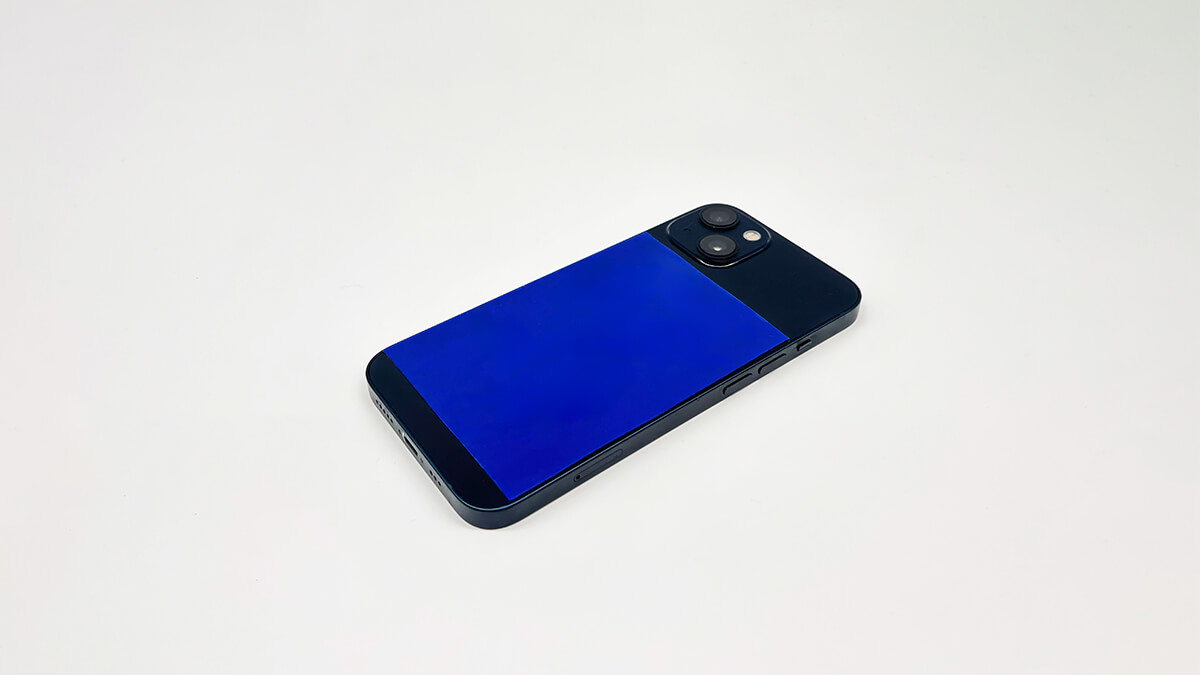
Cut out a neat square of grip strip and stick it to the back of your phone case. Boom – Instant non-slip surface. You could even use it as a discreet phone grip for a more secure hold.
Backpack Strap Comfort
Wrap the grip strip around the shoulder straps of your backpack to stop them from sliding off your shoulders, which is especially helpful for outdoor adventures, school backpacks, or work commutes. Plus, they add a bit of extra padding!
What makes Tenura Grip Strips ideal for all these unconventional uses?
- Non-toxic and latex-free
- Durable and washable
- Soft and flexible
- Leaves no residue
- Reusable and cut-to-size
With endless adaptability, Grip Strips are the kind of tool you didn't know you needed – until you start using them creatively.
In conclusion, make sure not to limit your grip strips to just one purpose. With some creativity, you can transform them into clever problem-solvers for dozens of daily challenges. Whether you’re looking to stabilise, cushion, or imply stop something from slipping, Tenura Grip Strips are the flexible friend you need in your toolbox (or kitchen drawer, glove box, desk… you get the idea)
Got an Ingenious Use for Tenura Grip Strips?
We’d love to hear how you use Tenura Grip Strips outside the box! Please share your ideas with us on social media using #TenuraGripStrips and tag @tenurauk
Tenura at REHACARE 2025
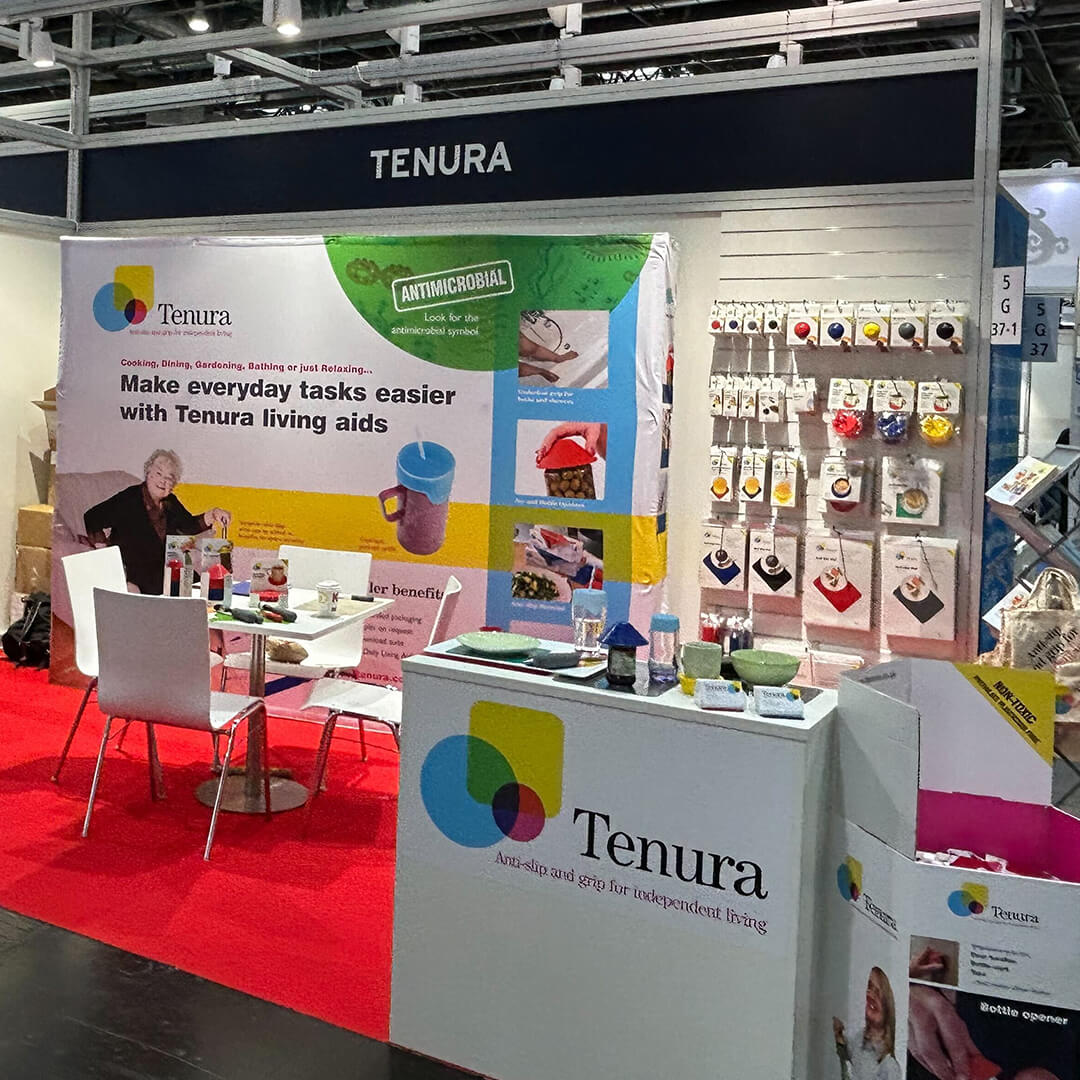
Last week, the Tenura team had the pleasure of attending REHACARE INTERNATIONAL 2025 in Düsseldorf – and what an incredible experience it was! As the world’s leading trade fair for rehabilitation, prevention, inclusion, and care, REHACARE brought together over 34,000 visitors from 88 countries, and we were thrilled to be a part of it.
We spent an action-packed few days connecting with resellers, new customers, and industry professionals from across the globe. It was a fantastic opportunity to share our passion for independent living and showcase the range of non-slip and grip-enhancing products Tenura is known for – from our popular anti-slip mats and grip rolls, to bottle openers, jar openers, and more.
The atmosphere at the exhibition was buzzing with innovation and collaboration. We loved demonstrating how Tenura products can make everyday tasks easier for people with reduced hand strength, arthritis, or other mobility challenges – and it was especially rewarding to hear real stories from people who benefit from using our products every day.
REHACARE isn’t just about products – it’s about people. We had the chance to meet so many inspiring individuals, caregivers, healthcare professionals, and advocates, all united by the goal of supporting self-determined living. The energy, ideas, and enthusiasm throughout the event were truly contagious.
A huge thank you to everyone who stopped by the Tenura stand – whether to chat, try our products, or just say hello. We’re already looking forward to REHACARE 2026 and can’t wait to continue building relationships and bringing practical, innovative solutions to those who need them most.
Until next time,
The Tenura Team
New Anti-Slip Solutions in Fresh Colours and Premium Designs
At Tenura, we’re always looking for ways to evolve our product range to suit your needs better. Whether it’s enhancing safety and accessibility or just giving you more stylish options for your home or workspace, innovation is at the heart of what we do.
Exciting New Additions
Firstly, we’re excited to introduce new colours to some of your favourite Tenura products! Our anti-slip coasters, jar openers, bottle openers, and table mats are now available in sleek grey and bold black. These new colour options allow for better coordination with modern interiors while still delivering the same reliable grip and safety you’ve come to expect.
But why stop there? Building on the popularity of our non-slip fabric rolls, we’re expanding our range with pre-cut non-slip fabric placemats and coasters. These ready-to-use items offer the same dependable grip and versatility as the original rolls, but with the added convenience of being cut to size and finished to complement your décor.
Available in five striking colours – black, beige, red, blue and white – these placemats and coasters are perfect for adding function and style to your kitchen, dining table or workspace. Whether you’re looking to prevent items from sliding, reduce noise, or simply add a touch of colour, these products deliver.
Premium Range
Again, why stop there? For those who want an even higher level of quality and performance, we will also launch a premium version alongside our non-slip fabric placemats and coasters. This upgraded material is more than double the thickness, providing even greater grip, durability, and protection. It will be available exclusively in black, offering a refined look that doesn’t compromise on functionality.
Our mission has always been to provide practical, stylish, and effective non-slip solutions for everyday life. These new additions reflect our continued commitment to safety, quality, and design.
Stay tuned for more updates and be the first to experience these exciting new products! As always, thank you for choosing Tenura – where safety meets style.