
independent living
Home Canning With Arthritis Made Easier Using Jar Openers
The kitchen has always been a place of creativity, comfort, and independence. There is a kind of joy that comes from creating something with your own hands. But as our bodies change, simple tasks like opening a jar can become more challenging. Reduced grip strength, stiff joints, or limited mobility can make what once was effortless suddenly tricky.
 Glass jars play a starring role in this. Unlike cans, jars are reusable, easy to see into, and perfect for storing everything from tangy pickles to rich, homemade sauces. They’re practical, sustainable, and a delight to handle - but they can also be stubborn. That twist-off lid, tight and smooth, can test even the strongest hands. And for anyone living with arthritis or reduced grip strength, jars can sometimes feel like more of a challenge than a convenience.
Caregivers often notice this struggle too. It’s natural to want to step in and help, but many people treasure the ability to remain independent in the kitchen. Recognising these small challenges doesn’t mean giving up; it simply opens the door to solutions that make canning accessible to everyone.
Simple adjustments can make a big difference. Warming a lid slightly, using a stable surface for leverage, or leaning into a twist rather than relying solely on hand strength are all ways to make the process easier. And there’s no need to stop there—purpose-designed tools like ergonomic jar openers can help turn a frustrating task into a seamless part of your routine. These aren’t gadgets meant to do the work for you; they’re tools that give you back confidence, control, and comfort. With a little support, jars that once felt impossible to open become manageable, allowing you to enjoy the process rather than dreading it.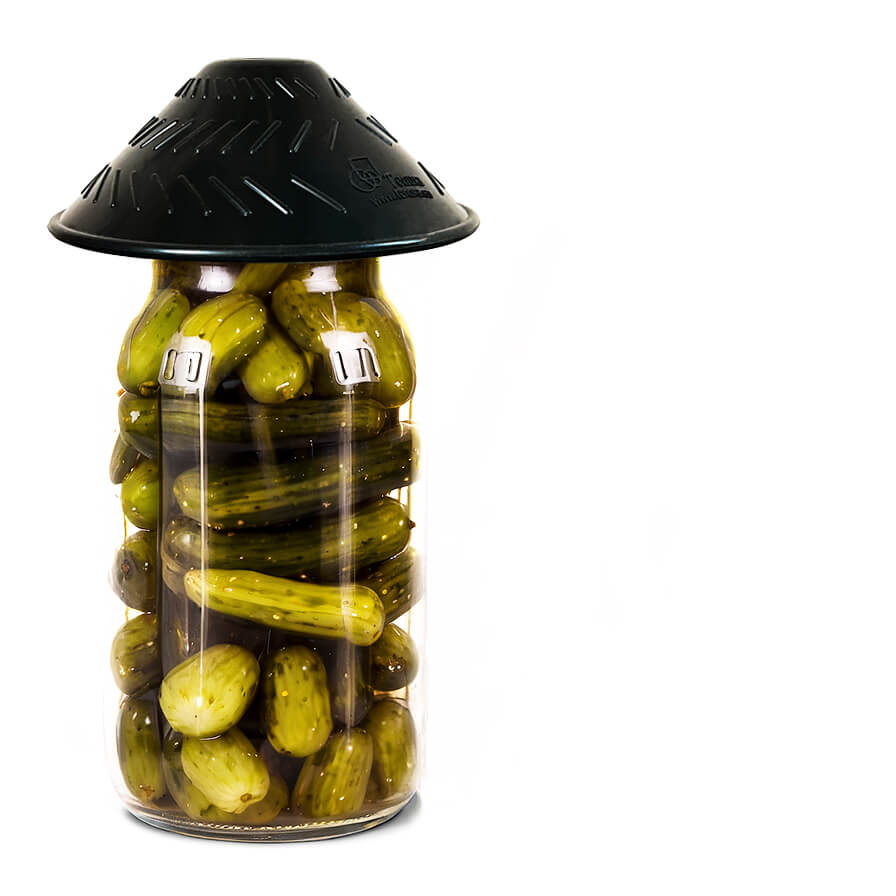
Safety and comfort go hand in hand with independence. A secure grip reduces the risk of slips and dropped jars, helping to protect your hands and wrists while you work. Tools designed with accessibility in mind support safer routines, letting you focus on the joy of cooking and preserving without strain. In this way, the right design choices allow you to continue doing what you love, comfortably and safely.
Ultimately, the beauty of home canning is that it lets you reconnect with familiar kitchen routines and create new memories along the way. Sharing your homemade pickles with friends, experimenting with new recipes, or simply enjoying the satisfaction of self-sufficiency—these experiences remain fully within reach, even if your hands feel a little weaker than they once did. With a thoughtful approach and the right supportive tools, independence, accessibility, and safety can coexist beautifully in your kitchen.
Rediscover the pleasure of home canning, one jar at a time, and enjoy the confidence that comes from doing it yourself—safely, comfortably, and joyfully.
Healthy Eating and Making Things Easier in the Kitchen
Maintaining Health, Independence, and Confidence in the Kitchen
The kitchen is often called the heart of the home, a cosy space for comfort, creativity, and connection. However, for people living with arthritis, mobility challenges, or a disability, everyday kitchen tasks can sometimes seem more like obstacles than sources of joy.
The good news? With a few clever adaptations, thoughtful planning, and supportive products (like our non-slip range), you can bring back pleasure, safety, and independence into your cooking routine.
Cooking with Confidence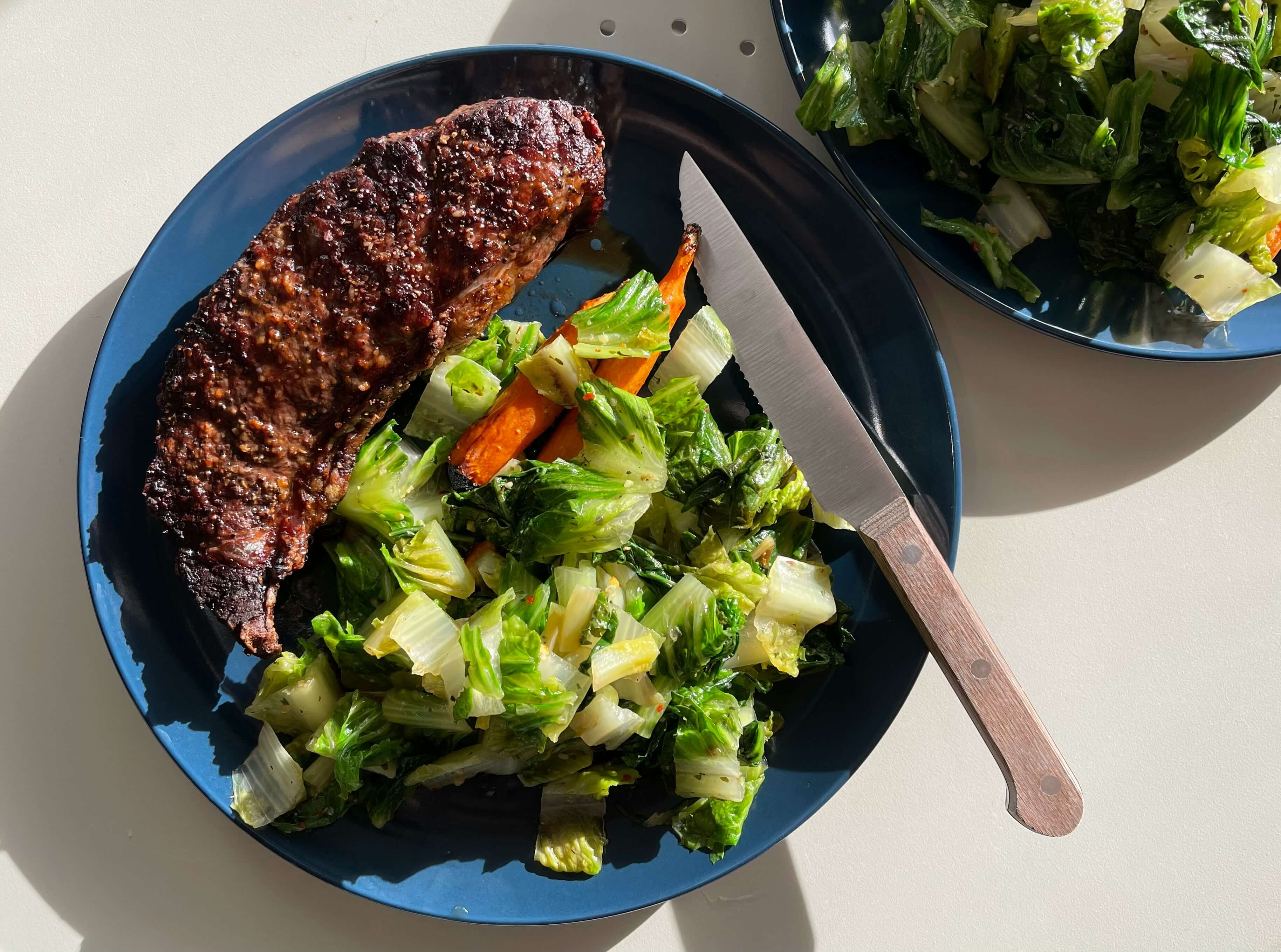
According to Arthritis UK in their article “Arthritis and kitchen hacks: Easy ways to eat well” (2021), preparing meals doesn’t have to be tiring.
The first step is organisation. Keep frequently used ingredients and utensils at waist height to prevent bending or stretching. Where possible, sit down to prepare food, saving energy and easing strain on your joints.
If keeping items stable while chopping or mixing is a challenge, Tenura non-slip mats and anti-slip coasters can hold everything securely. This allows you to concentrate on the recipe rather than the difficulty, making cooking safer and more enjoyable.
Independence in the kitchen often comes from minor environmental adjustments, such as swapping heavy cookware for lightweight pans, using slow cookers to minimise standing time, or adding Tenura anti-slip floor stickers near your sink or stove can make a significant difference. These subtle changes rebuild confidence, lower risks, and help you rediscover freedom in your own home.
Healthy Eating and Disability
A nutritious diet is essential for maintaining independence, energy, and wellbeing. For individuals with limited mobility, carrying extra weight can increase joint pain, cause fatigue, and even impact mental health and motivation. However, eating healthily doesn’t have to be complicated — it’s all about balance, preparation, and accessibility.
Cooking at home lets you control ingredients and portion sizes, something strongly encouraged by Arthritis UK. With Tenura’s non-slip mats, grips, and stabilising aids, everyday cooking becomes safer and easier. When utensils, bowls, and pans stay steady, you save energy and maintain consistency - both essential for a sustainable, healthy diet.
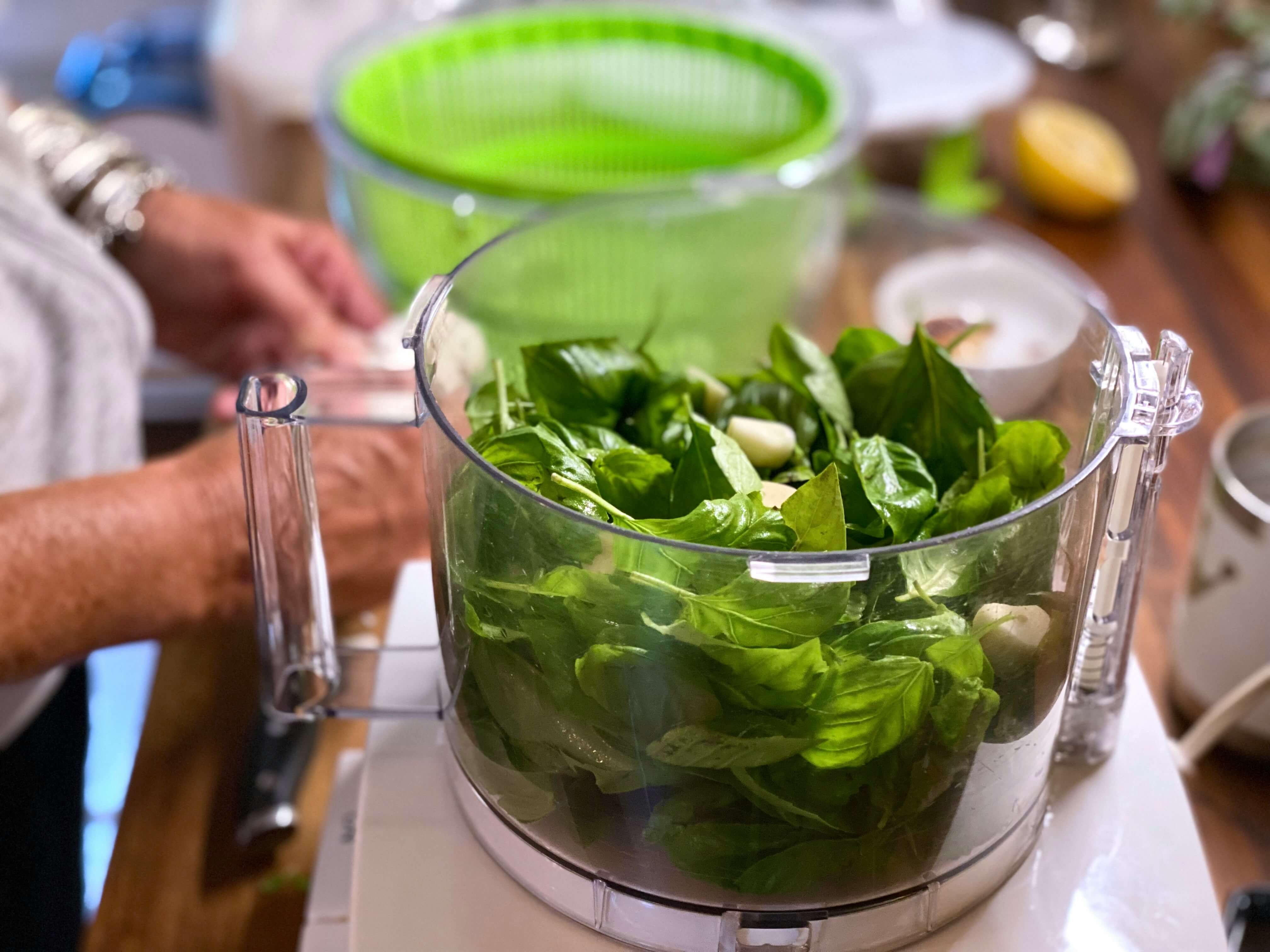
Batch cooking is an excellent way to simplify healthy eating. On days when you have more energy, prepare simple, nutritious dishes such as soups, stews, or salads, then freeze portions for later. Using aids like kettle tippers, ergonomic cutlery, and jar openers can make meal prep much less daunting, especially if you experience fatigue or joint pain.
For more practical tips, Arthritis UK shares guidance on simple kitchen hacks for eating well, this article provides excellent insights for making healthy eating more accessible.
Setting Yourself Up for Success
Preparation is key. Stock your cupboards with essentials, use frozen or pre-chopped vegetables to save time and effort, and keep your workspace organised so you don’t need to move around too much.
Practical steps include:
- Keep commonly used items within easy reach to avoid bending or stretching.
- Use lightweight or double-handled cookware to reduce strain.
- Create a comfortable work zone where you can sit or stand safely.
- Use Tenura’s non-slip mats under bowls and boards, and anti-slip coasters to prevent spills.
Good lighting, clear work surfaces, and simple meal plans can also significantly enhance the ease and enjoyment of cooking.
 Bringing Joy Back into the Kitchen
Living with a disability doesn’t mean giving up your independence or your love of cooking; it simply involves adapting your space to suit you.
At Tenura, we believe that safety, comfort, and confidence are inextricably linked. Whether you’re preparing a hearty meal, carrying a hot drink, or simply enjoying breakfast, our non-slip products are designed to support your independence and well-being.
Next time you’re in the kitchen, take a moment to look around! Perhaps your chopping board could use some extra grip, or your floor might benefit from improved traction. Small tweaks can significantly enhance your safety, comfort, and enjoyment.
After all, the best recipes aren’t just about the ingredients — they’re about confidence, comfort, and a dash of independence.
How to Stay Safe During a Fire When Living with a Disability
Fire safety is essential for everyone, but for people living with disabilities, it can present unique challenges. Mobility issues, sensory impairments, or cognitive conditions may make it harder to detect a fire, react quickly, or evacuate safely.
Fortunately, with the proper planning and equipment, it’s possible to stay safe and maintain independence. In this blog, we’ll explore practical steps and valuable resources to help you prepare, stay calm, and act effectively during a fire, all while utilising accessible aids and products designed to support safety at home.
 Planning Ahead
The best way to stay safe during a fire is to prepare in advance. The London Fire Brigade and Fire England recommend creating a Residential Personal Emergency Evacuation Plans. (RPEEP)
Here's what you can include…
- Identify escape routes: Keep them clear of obstacles and ensure they are suitable for mobility aids or wheelchairs.
- Install smoke alarms: For those with hearing impairments, use alarms with strobe lights or vibrating pads that can wake you during the night (as recommended by Tyne & Wear Fire and Rescue).
- Practice your plan regularly: Rehearsing your escape builds confidence and ensures everyone in the household knows what to do.
- Inform your local fire service: Many UK fire services offer free home safety visits and can provide tailored recommendations based on your needs.
- The GOV.UK fire safety guidance also emphasises the importance of keeping a phone nearby your bed and ensuring your address and contact details are easily accessible in an emergency.
Staying Safe
If a fire does occur, the most important thing is to stay calm and act quickly.
Get out, stay out, call 999 (if you can safely do so)
If you can't evacuate, move to a safe room (preferably near a window) and block smoke by placing towels or a blanket down around the door.
Call for help immediately and let the operator know you have a disability so the emergency responder can plan their approach.
For individuals with mobility impairments, keep mobility aids such as wheelchairs, walking frames, or transfer boards readily available at all times.
For those with visual impairments, practice navigating escape routes by touch, as advised by GOV.UK’s fire safety for people with sight difficulties.
Remember – Never try to tackle fire yourself. Getting yourself to safety is always the priority.
Community and Support
You don’t have to manage fire safety on your own. Most fire and rescue services across the UK offer free home fire Safety visits for people with disabilities, where they can access your home and install specialist alarms or devices. Organisations such as the London Fire Brigade, Tyne & Wear Fire & Rescue, and Fire England all encourage residents to register with their local fire service if they have additional needs, ensuring emergency responders know how to assist you in a fire.
Additionally, local councils and disability charities often have resources and checklists to help you prepare. Having a trusted neighbour, carer, or friend who knows your escape plan can also be invaluable.
To Conclude...
Fire safety doesn't have to compromise independence. By taking proactive steps (planning ahead, adapting your home and using assistive products), you can create a safer, more accessible living environment.
With preparation, support and awareness, everyone can feel secure and confident in their ability to stay safe during a fire.
Links:
The London Fire Brigade offers a free home fire safety visit. Visits can be arranged at any time (24/7), and specialist alarms can also be fitted – for example, strobe light and vibrating pad alarms for individuals who are deaf or hard of hearing.
https://www.london-fire.gov.uk/safety/the-home/home-fire-safety-visits/
Or you can use the Home Fire Safety Checker, provided by the London Fire Brigade. It only takes a few minutes and will provide you with tailored advice on the safety of your home.
https://www.london-fire.gov.uk/safety/the-home/home-fire-safety/home-fire-safety-checker-hfsc/
Information about fire safety for Carers https://fireengland.uk/fire-safety/fire-safety-carers
July is Juvenile Arthritis Month: A Moment for Awareness, A Lifetime for Those Affected.
July marks Juvenile Arthritis Awareness Month, a time dedicated to shining a spotlight on a condition too often misunderstood or overlooked; Juvenile Arthritis (JA). For advocates and supporters, this month is about education and action. But for the children and families living with JA everyday, this isn’t just a month – it’s their reality.
What is Juvenile Arthritis?
Juvenile Arthritis is an umbrella term for several autoimmune and inflammatory conditions causing persistent joint swelling, pain, and stiffness in children under 16. Unlike adult arthritis, which is caused mainly by wear and tear, JA results from the immune system mistakenly attacking the body’s own joints. This can affect mobility, growth, and overall quality of life.
The Daily Reality
JA is not just occasional aches or tiredness – it’s a chronic illness that disrupts childhood. Tasks many take for granted, like holding a pencil, climbing stairs, or playing with friends, can become overwhelming challenges.
Brianna was diagnosed with JA at just five years old. She recalls:
"I was born premature when my mom had an aneurysm, and I was diagnosed with JA when I was five. It started with a swollen ankle. I went to the doctor, and he thought I had fractured it, so he put me in a cast. Later, my parents noticed my right hand was swollen, so I went to the doctor again. They thought I fractured it, even though I never fell or hurt myself, and I was put in another cast. While I was dealing with two casts, my mom noticed my left hand was swollen, so I was admitted to the hospital. It was there that the doctors ran some tests and were able to diagnose me with arthritis."
Brianna’s story powerfully reminds us that juvenile arthritis can be difficult to recognise, even by trained medical professionals. Her journey highlights a common and troubling pattern: early symptoms like joint swelling or stiffness are often mistaken for injuries or growing pains, leading to misdiagnosis or delayed diagnosis. These delays can result in prolonged discomfort, unnecessary treatments, and lost time in starting the therapies that could prevent further joint damage. This is why awareness is so essential. When parents, teachers, healthcare providers and communities are informed about the signs of JA, children like Brianna are more likely to be accurately diagnosed and treated early, offering them a better chance at preserving their mobility and quality of life.

But awareness goes beyond simply recognising symptoms. It‘s also about transforming how we think about invisible illnesses—conditions that may not leave noticeable marks but still have a profound impact. Juvenile arthritis doesn’t always look like an illness from the outside. A child might appear fine on some days while silently enduring pain, fatigue, or stiffness. This invisibility often leads to misunderstanding and stigma, where children are labelled as lazy, overly dramatic, or difficult.
Changing that perception requires a cultural shift. Awareness means building compassion and creating supportive environments in every space a child enters—schools, playgrounds, homes, and medical offices. It means encouraging flexible school policies for attendance and participation, ensuring that classrooms are physically accessible, and educating peers and educators to understand what living with JA can look like. It also means emotional support for families who often feel isolated, navigating a complex and lifelong diagnosis.
When we move beyond facts and embrace empathy, we validate the experiences of children with JA and empower them. Awareness is the first step toward equality, inclusion, and healing.
The Ongoing Responsibility
Juvenile arthritis is more than a diagnosis; it is a daily challenge requiring resilience, support, and understanding. This July, as we observe Juvenile Arthritis Awareness Month, let us commit to learning more, supporting those affected, and advocating for a future where children with JA can thrive.
Improving Device Grip with Aqua Safe Bath Stickers
In an age where technology plays a significant role in daily life, individuals with mobility challenges, arthritis, or reduced grip strength often find it difficult to use electronic devices safely and comfortably. Whether it’s holding a phone, operating a tablet, or using a remote control, devices can easily slip from your hands or become difficult to manage. Our Anti-Slip Bath and Shower Stickers offer a simple yet effective solution to improve grip on various electronics and devices.
Why Anti-Slip Stickers are Ideal for Electronics
Our Aqua Safe stickers are made from a strong, non-abrasive material, making them perfect for adding a secure grip to devices without damaging them. They are gentle on bare skin, which is crucial for those with arthritis or reduced hand strength. Adding these anti-slip stickers to electronics can enhance grip strength, reduce the risk of dropping devices, and make them easier to handle, especially for those with physical challenges.
The Benefits for Those with Arthritis and Mobility Struggles
Many small but frustrating challenges can make technology feel less accessible. That’s why our anti-slip stickers are a practical solution, providing the extra grip needed to secure any device. This added stability helps make the digital world more navigable, reducing the worry and stress of accidental drops and adding greater control.
A Simple Solution
Our Stickers come in 200mm x 20mm strips or 40mm diameter circles, making them adaptable for any device. You can easily customise their placement for the best grip. Their strong self-adhesive backing ensures they stay securely in place without needing constant adjustments.
Unlike traditional non-slip pads, Tenura stickers are made from non-abrasive material, so they will not scratch or damage delicate electronics. They also offer a much cleaner solution than other grip aids. They are designed to be waterproof and durable, able to withstand varying temperatures, ensuring they continue to provide excellent grip for extended periods.
Stylish, Functional Protection
Not only do they improve the safety and functionality of electronics, but they also blend seamlessly into their design. Available in transparent and white options, the stickers won’t interfere with the aesthetic of your devices, making them both practical and stylish. With a wide variety of sizes, you can tailor the stickers to fit the needs of your devices without compromising their appearance.
A Small Addition That Makes a Big Difference
In a world where staying connected is more important than ever, our product offers a simple yet powerful way to make everyday tech more accessible and safer to use. Whether you're living with arthritis, reduced grip strength, or other mobility challenges, these discreet stickers provide added confidence, control, and comfort without compromising the look or feel of your devices. It’s a small change that can have a meaningful impact on daily life.
Travelling Abroad as an Older Person
Travelling in your later years is not only possible but incredibly rewarding. Whether it's experiencing new cultures, revisiting familiar places, or simply enjoying some well-deserved rest, the benefits of travel are vast. Studies show that travel can boost mental and physical health, foster a sense of independence, and create lasting memories. But it's natural to have concerns about comfort, mobility, and health while on the go. In this guide, we'll explore how you can address these issues and make your trip smoother and more enjoyable.
Planning Your Trip
 Choosing the Right Destination
When selecting a destination, it’s essential to choose places that are accessible and senior-friendly. Look for destinations with good healthcare options, reliable infrastructure, and mild climates. A place with easily navigable streets, elevators, and transport systems will make your travel experience much more enjoyable. Consider destinations that cater to older travellers, such as resorts, cruises, or cities known for their accessibility.
Travel Insurance
No one plans for things to go wrong, but accidents and illnesses can happen, especially while travelling abroad. That's why it's important to purchase comprehensive travel insurance that covers unexpected medical costs, cancellations, and emergencies. Be sure the policy includes any pre-existing health conditions you may have.
Consulting with Your Doctor
Before you travel, make an appointment with your doctor to discuss any health concerns, medications, or vaccinations you may need for your trip. Carry copies of your prescriptions and medical records, particularly if you have ongoing health conditions.
Packing Tips
Health and Safety Supplies
Pack extra medication (in its original containers), a first-aid kit, and any mobility aids you might need while travelling. If you use medical devices like a hearing aid, CPAP machine, or an oxygen tank, ensure you have the necessary accessories and backup supplies.
Comfortable Clothing
Wearing the right clothing is essential for comfort during long flights or sightseeing excursions. Opt for lightweight, breathable clothes and comfortable shoes that support long walking.
Useful Tenura Products
Packing some simple yet effective aids can make a big difference. Tenura products like anti-slip mats are a must-have for hotel rooms or vacation rentals to prevent accidents. Tenura's grip aids can also help you carry luggage or use utensils, making it easier to enjoy your meals without worrying.
Staying Safe Abroad
Managing Health Issues While Abroad
Maintaining your health on the go is key. Stay hydrated, eat balanced meals, and avoid overexerting yourself. Don’t hesitate to rest if you feel tired and listen to your body. It's also a good idea to carry a list of emergency contacts, including the nearest hospitals or clinics to your accommodations.
Staying Safe
Always be mindful of your surroundings when you’re in a new city. Avoid risky areas and try to travel with a group whenever possible. Keep your valuables secure and carry a copy of your passport and travel documents in case anything goes missing.
Emergency Preparation
Accidents and emergencies can happen anywhere, so it’s essential to be prepared. Carry a list of emergency numbers for your destination (like the local embassy or consulate), and make sure your loved ones know your travel plans. If you have health concerns, inform the people you're travelling with and share any specific medical needs you may have.
Adapting to New Environments
Cultural and Environmental Adjustments
Adjusting to different time zones and local customs can take some time, so try to give yourself a break. Stay active but don’t push yourself too hard—take regular breaks and enjoy your surroundings leisurely. If you feel jet-lagged, take short naps or spend some quiet time to restore your energy.
Mobility and Accessibility
It’s important to ensure that your accommodations and transportation options are accessible. Look for hotels that offer accessible amenities, such as lifts, wide doorways, and walk-in showers. If you’re using a wheelchair or walker, ensure the destination has ramps or accessible entrances.
Enjoying New Experiences
Embrace Local Activities
Don’t hesitate to explore new experiences but choose activities that are gentle on your body. Scenic walks, cultural tours, and sightseeing cruises are great ways to enjoy a destination at your own pace.
Taking Time to Rest
It’s important to pace yourself, especially if you’re travelling to a busy destination. Schedule time for relaxation between sightseeing or adventures, whether it’s enjoying a quiet café or relaxing in your hotel room. Remember, travel is meant to be enjoyable, not exhausting!
With thoughtful planning, the right precautions, and a few helpful tools, you can explore the world with confidence and ease. Whether you’re venturing somewhere new or revisiting a favourite place, age should never be a barrier to adventure!
Family and Caregiver Support - Navigating Challenges
Caregiving is a crucial yet challenging role. Whether it’s the support of an aging parent, a spouse with chronic illness, or a loved one with special needs, being a caregiver can be a deeply emotional and physically demanding experience. As a family member or caregiver, you’re responsible for someone’s well-being and navigating a landscape that can sometimes feel overwhelming.
In this blog, we’ll explore the importance of family and caregiver support, the challenges caregivers face, and some practical tips to help you care for both your loved one and yourself.
 The Importance of Family and Caregiver Support
Family and caregiver support are the foundations of a loved one’s well-being. Whether it’s helping with day-to-day tasks or providing emotional care, your role is critical to their comfort and happiness. However, it's essential to recognise that caregiving isn’t just about the person being cared for; your own well-being matters too. Supporting caregivers, through both emotional and practical means, strengthens the family unit and ensures that caregivers are better equipped to handle the demands of the role.
Practical Tips for Caregivers
Time can sometimes feel like it is constantly running away from you, and it can be very hard for a caregiver to take time for themselves. Creating a structured schedule can help balance caregiving and personal time, making daily tasks more manageable.
You don’t have to do it all alone—ask for help from family, friends, or professionals. Accepting support ensures the best care for your loved one while giving you the break you deserve.
Prioritizing self-care is essential. Whether it’s a walk, yoga, or a quiet moment with a book, taking time for yourself helps you stay strong. And don’t be afraid to delegate—sharing responsibilities prevents burnout and makes caregiving a little easier for everyone involved.
Resources Available to Caregivers
Thankfully, there are numerous resources designed to support caregivers
- Respite Care: Temporary care services that allow caregivers a break to rest and recharge.
- Support Groups: Local or online support groups where caregivers can share experiences, offer advice and find emotional reliefFinancial Assistance: Programs such as Medicaid, Veterans Benefits, and local charity organisations can provide financial support for caregiving costs.
The Role of Technology in Caregiving
Technology can make caregiving easier and less stressful. Apps that provide medication reminders help you keep track of prescriptions and appointments, ensuring your loved one stays on schedule. Emergency alert systems, like fall detectors or emergency buttons, offer peace of mind by making help instantly accessible when needed. Smart home devices, such as voice-activated assistants and automated lighting, can also simplify daily tasks, creating a safer and more manageable environment for both you and your loved one.
How Tenura Can Help Ease the Caregiving Journey
At Tenura, we understand the challenges that caregivers face daily, which is why we’ve designed a range of products to make caregiving easier, safer, and more comfortable. Our innovative, non-slip silicone aids are specifically created to provide enhanced grip and reduce the risk of accidents, whether you’re assisting with mobility, handling medication, or managing daily tasks.
From Grip Strips for easier handling of items like containers, appliances, and tools, to Non-Slip Mats that keep items securely in place, our products are designed to reduce any physical strain. This allows you to focus on what matters most, without worrying about slipping, accidents or muscle fatigue.
Our products also support independence for those you care for, helping them confidently engage in daily activities. By incorporating Tenura’s practical solutions, you can create a safer environment, reduce physical stress on both yourself and your loved one, and ultimately improve your caregiving experience.
Caring for a loved one is never easy, but Tenura is here to help make the journey a little smoother, safer, and more manageable.
You are not Alone
Caregiving is an incredibly demanding yet rewarding role, and it’s important to remember that you are not alone. Your love and dedication matter more than you might realise. Be kind to yourself, celebrate the small victories, and don’t hesitate to ask for support when you need it.
You are making a difference, and by seeking help and prioritizing your well-being, you can continue to provide the best care possible for your loved one.
World Occupational Therapy Day: Celebrating OT's Role in Empowering Lives | Tenura
On October 27th, we celebrate World Occupational Therapy Day, a day dedicated to recognising the remarkable contributions of occupational therapists across the globe. Occupational therapy plays an important role in improving the lives of individuals by promoting independence, improving the quality of life, and helping people engage in meaningful daily activities. From children needing developmental support to elderly individuals seeking to maintain independence, OTs tailor their approach to meet each person's unique needs. At Tenura, we proudly support the OT community by providing innovative daily living aids that help therapists and their clients succeed.
What is Occupational Therapy?
Occupational therapy is a client-centred profession that enables individuals to participate in everyday tasks that are important to them. Whether helping a child learn fine motor skills for school, aiding an adult in recovering from injury or supporting seniors in maintaining their autonomy at home, OTs develop personalised strategies based on each individual's circumstances. The holistic approach of OT emphasises performing tasks and enhancing the meaning and satisfaction derived from engaging in these activities, promoting a greater sense of purpose and fulfilment.
The Impact of Occupational Therapy
World Occupational Therapy Day reminds us of occupational therapy's profound impact on individuals who face physical, emotional, or cognitive challenges. For many, the simple ability to carry out daily activities can be life-changing. Occupational therapists work closely with clients to set personalised goals, whether regaining the ability to cook after an injury or maintaining mobility in the face of ageing. Through tailored care plans, OTs help individuals take control of their lives and navigate their unique challenges. Research has shown that occupational therapy significantly enhances life satisfaction and independence, focusing on assisting individuals to participate in meaningful activities that bring them joy and self-worth.
Celebrating Occupational Therapy Day
The celebration of World Occupational Therapy Day is an opportunity to raise awareness and honour the achievements of occupational therapists and the individuals they help. Many communities organise events, workshops, and seminars to promote the profession and its impact. Social media campaigns allow people to share their stories and experiences with occupational therapy, using hashtags like #WorldOTDay to spread awareness and celebrate the profession's impact. You can also support occupational therapy initiatives by getting involved in your community, participating in local events, or advocating for better access to OT services.
How Tenura Supports Occupational Therapy
At Tenura, we see firsthand the transformative power of occupational therapy. Take the story of John, for example. After suffering a severe injury, John struggled with basic tasks like dressing and cooking. With the guidance of his occupational therapist and the help of Tenura's daily living aids, John regained his independence and confidence. Our adaptive products, including grip aids and non-slip mats, played a crucial role in helping him recover and manage everyday tasks more effectively. Similarly, Emily, a young girl with developmental challenges, made remarkable progress thanks to her occupational therapist. Using sensory products from Tenura, Emily improved her motor skills, making participating in classroom activities easier and boosting her confidence.
Tenura’s Role in Supporting OTs and Their Clients
At Tenura, we understand occupational therapists' essential role in supporting their clients' progress. That's why we're committed to providing products that assist in the rehabilitation and daily living of individuals who face mobility and dexterity challenges. Our adaptive tools, such as our grip aids and non-slip products, are designed to support individuals in performing daily tasks more efficiently and confidently. Tenura's products align with occupational therapy goals by promoting independence and helping people achieve greater control over their daily activities, whether holding utensils, gripping surfaces or carrying out self-care routines.
Customised Solutions for Unique Needs
Occupational therapy is not a one-size-fits-all approach, nor are Tenura's products. We collaborate with occupational therapists to ensure our aids meet the unique needs of their clients, making daily life more manageable. By incorporating therapist input, we can continuously innovate and provide practical, user-friendly tools that enhance therapy sessions and everyday use. From elderly individuals managing arthritis to children with sensory challenges, Tenura's solutions are designed to empower people of all ages and abilities.
As we celebrate World Occupational Therapy Day, let's take a moment to appreciate the incredible work of occupational therapists and the difference they make in people's lives. At Tenura, we are honoured to be part of this journey by providing practical, innovative daily living aids that support independence and improve the quality of life. Together, with the help of OTs, we can empower individuals to live their best lives.
Let's celebrate the power of occupational therapy and reflect on how we can further support the profession. Whether participating in local initiatives, sharing stories, or providing resources, World Occupational Therapy Day reminds us that with the right tools and guidance, we can help make a difference in the lives of individuals and their communities.
Innovating Safety with PVC and Phthalate-Free Products
On the news this week was an interesting article concerning dangerous phthalate use in cricket balls and that they have been pulled from distribution due to safety concerns.
All our disability aids are healthy alternatives to phthalate products. Our coasters, mats, jar openers, bottle openers and cutlery grips, are 100% phthalate free. When we created the Tenura brand and products, we wanted something that was the future and anticipated the movement towards a PVC-free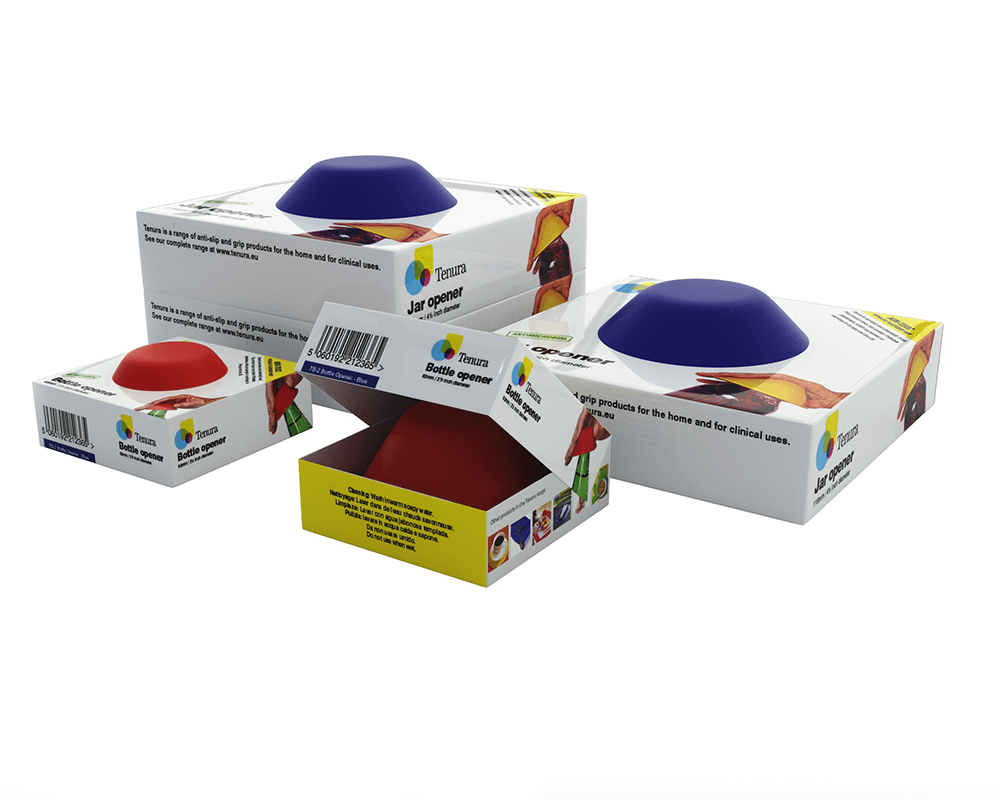 and phthalate-free time. Although PVC is still the world’s third most popular plastic, there is a movement away from it. Apart from the Tenura range all of the gripping aids, mats and coasters seen on the market are simply cheap PVCs that are rammed with phthalates and plasticisers, the products that we commonly compete against cannot be used around children and cannot be used in states such as Oregon or California.
The high levels of phthalates and plasticisers provide the grip as the chemicals make the PVC soft (the ‘U’ in UPVC windows is ‘Unplasticised’, meaning that without the plasticisers then a PVC jar opener etc would be a hard solid lump of plastic), the plasticisers keep making the PVC soft until they eventually leave the product leaving it hard, or at least having no grip properties. The manufacturers will claim they are not PVC but ‘a unique plastic that does not exist anywhere else’; no, they are really cheap PVC products, and their grip comes from the phthalates. When a PVC feels grippy or has hold, it simply means that large amounts of phthalates are leaving the product and are they coated on your skin, which you then pass around, you touch your mouth, you touch your food and ingest them. The PVC films they mention 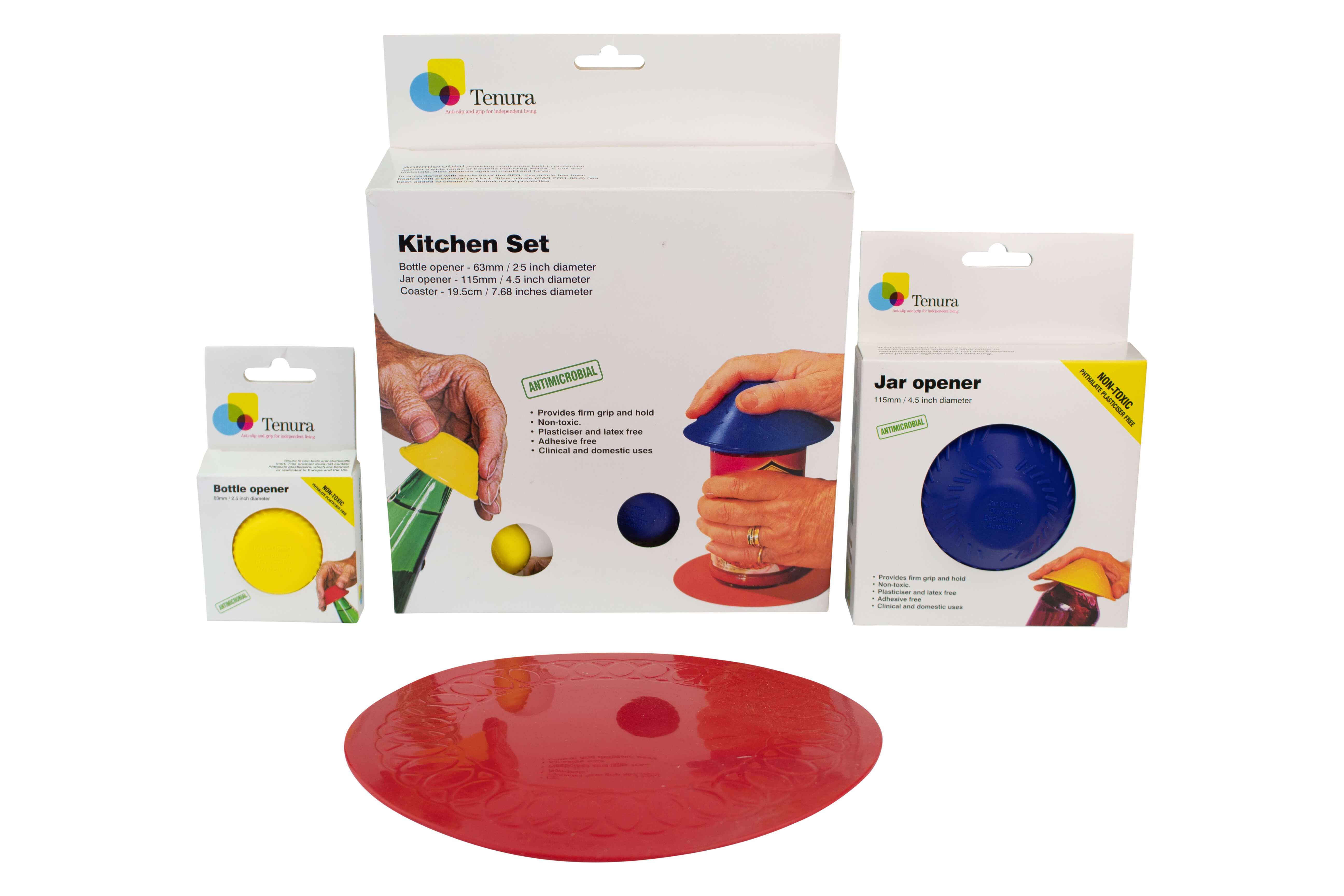 are so restricted they cannot be around food or as mentioned, children due to safety. Yet companies still use and will dare not mention that they are PVCs with very high levels of phthalates. As mentioned the grip in competing materials comes from the phthalates leaving the PVC mat or coaster and then making it very soft. Eventually large quantities of the phthalates have left the PVC meaning that it no longer has sufficient grip, many of these phthalates will have left and passed to your skin.
Tenura does not have any of these problems. Tenura uses 100% PVC, phthalate and plasticiser free materials, our compounds can be used for children’s toys, around food, can be sold in all US states and are completely inert. Offering a wide range of PVC-free solutions for home safety!
If you want something that you know is 100% safe for you, your children and will continue functioning the same in years to come as it does from the start then the Tenura range is the only viable material.
What are the harmful effects of phthalates?
Phthalates, commonly found in various products, have been linked to various health concerns. Having regular exposure to phthalates has been associated with hormonal disruption, reproductive issues, developmental problems in children, and increased risk of asthma and other allergies. Additionally, some studies show a potential link between phthalate exposure and certain cancers. It's important to minimise exposure to phthalates, especially for pregnant women and young children. Opting for phthalate-free products like those offered by Tenura can help mitigate these risks.
Unlike competing products we are happy t provide certification, safety documentation, detailed data sheets (ones showing construction not simply avoiding what the plastic or referring to it as a ‘Trade secret’) and all information required. We are always happy to help.
Tenura anti slip grip strips - Useful in many areas of Daily Life!
Disabilities and Impairments can make everyday tasks much harder. From operating door handles and preparing and cooking food, these tasks can be tiring and genuinely hard to accomplish. Tenuras wide range of daily living aids have been designed to attempt to make these general tasks as easy as possible for people suffering from such impairments and disabilities. Tenura anti-slip grip strips are one such product. This material offers a versatile non-slip grip, which can be applied almost anywhere. We have seen anti-slip grip strips used in many creative ways to make general tasks much easier. This material can be applied almost anywhere and will hold strong around the object it has been wrapped around without the need for an adhesive that could leave a residue.
Door Handles & Knobs
Door handles and knobs can be very difficult to grip and turn, for able-bodied and disabled people. Door knobs especially can be hard to grip due to their shiny surface. This can make going in and out of a room a harder task then it needs to be. By applying anti-slip grip strips, you can create an effective way to make turning door handles and knobs much easier. Simply wrap the grip strip around the door knob covering the majority of its surface. This will make it easier to grip and make going in and out of rooms a simple process once again.
Pots and Pans
Pans, pots and woks can also be difficult to move in any area. Spills and stains can cause injuries and expensive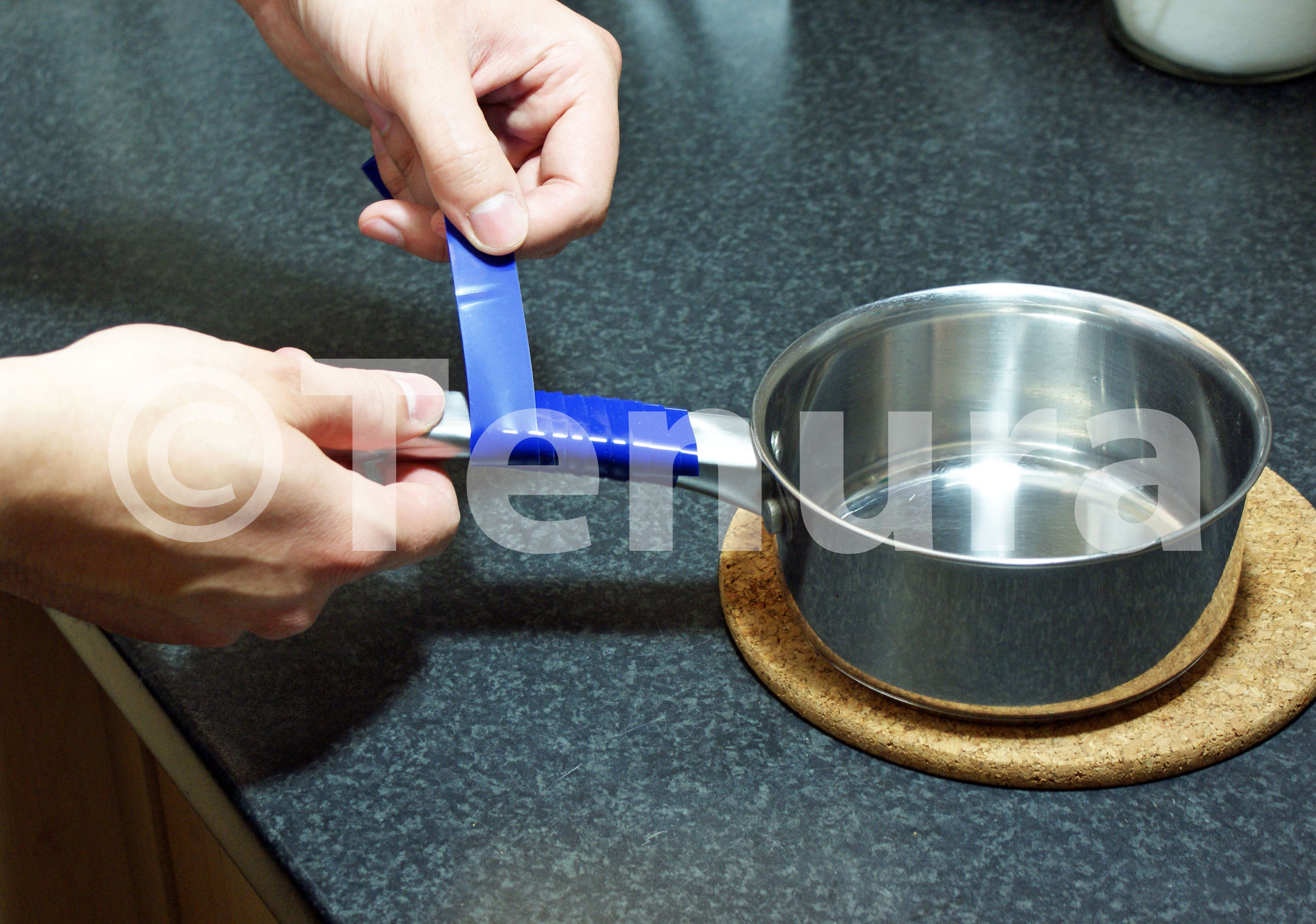 damage. It can cause a mess or severe injury depending on temperatures and the amount of liquid spilt. A non-slip material is an excellent way to help decrease the chances of clumsy mistakes and makes any object easier to hold and move. This materials thin finish will allow you to create a strong non-slip grip without increasing the bulk of the surface area too much. Tenura anti-slip grip strips are highly heat resistant, meaning they can survive on a pan, pot or wok for as long as you need them to.
Cups & Glasses
We all love a good cup of tea, coffee, or fresh juice in the morning, it’s an excellent start to a day and can help wake you up. One thing you never want to accompany your early morning brew is an early morning mess. A slip of the hand or a clumsy mistake while carrying or moving your cup can easily lead to breakages, nasty spills and stains, or injuries. This will all need cleaning or mopping up which isn’t easy for some people. Tenura anti-slip grip strips can help to make a mug, cup or glass much easier to hold onto and decrease the chances of nasty spills, stains and injuries. By wrapping the material around the cups handle, you can minimise the chances of loss of grip as the material will ensure the handle has an enhanced grip.
Food Preparation
Anti-slip grip strips are also very useful to apply to cutlery, utensils and many other items used during food 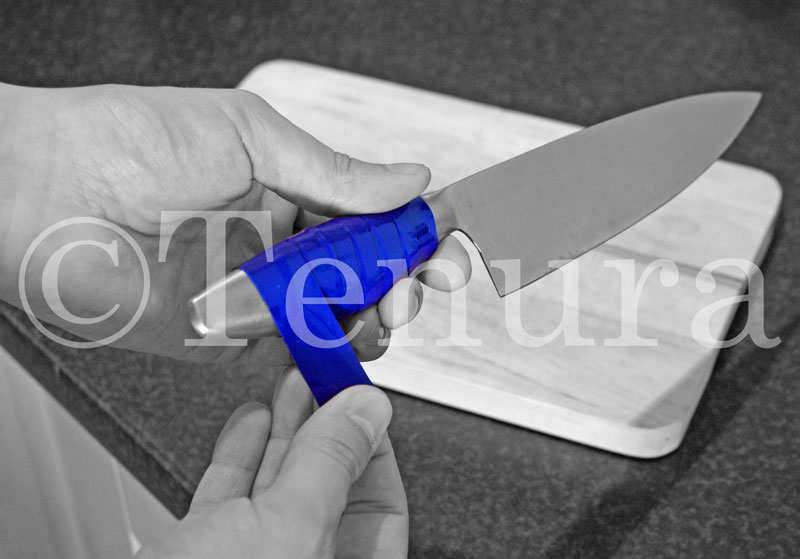 preparation. Preparing food on the chopping board can be a strenuous task for anyone and can lead to an injury very quickly. Anti-slip grip strips can help by creating a firm grip on the handles of knives, forks, spoons and the chopping board bases themselves. This contributes to improving the general grip of these objects and minimise the chances of slips that could lead to injury. One handed Whisking is now possible with anti-slip grip strips. By placing anti-slip grip strips under the bowl and around the whisk handle, you can increase control and comfort.
Another product, designed for cutlery handles is Tenura cutlery grips. Cutlery grips can be slipped onto many different kitchen utensils with ease. Once applied, this material will create an enhanced surface area, allowing objects to be handled and used efficiently, without the strain and discomfort some experience when trying to grip small or thin objects.
To view how to use Tenura Anti Slip Grip Strips, you can view our video below:
Anti-slip grip strips and many other products Tenura manufacturers are available on the Tenura website, here you can see all information about the products and the current prices we offer.